
| Nr | Nosaukums | Apraksts |
|---|---|---|
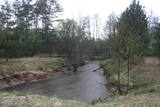 |
Dabas liegums atrodas dienvidos no bijušā Ventspils – Liepājas dzelzceļa un ietver Užavas upi (t.sk. vecupes un veco meliorācijas sistēmu) ieskaujošās pļavas aptuveni 6 kilometru garumā, kas padomju laikā tika izmantotas kā kolhoza lauki (dažādas lauksaimniecības kultūras, siens), bet tagad pamazām aizaug ar krūmāju (nepieciešama regulāra pļaušana). Aizsargājamās vērtības – retas putnu sugas, t.sk. griezes, dažādi pļavu biotopi un augu sugas. Teritorija nav piemērota tūrisma aktivitātēm. Pietiekami labs priekšstats par Užavas augšteci rodas arī to vērojot „no malas” – no Alsungas - Bērzkalnu ceļa, kura malā pie Užavas upes izveidots informācijas stends. No tā pārskatāma lieguma ziemeļu daļa.
|
|
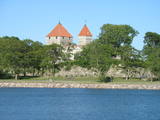 |
Saaremaa salas galvaspilsēta. Populārs kūrorts. Baroka stilā celts rātsnams.
|
|
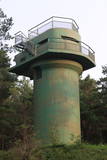 |
Pēc 1939. gada 23. augustā noslēgtā neuzbrukšanas līguma starp Vāciju un PSRS, jeb Molotova—Ribentropa paktu, Latviju iekļauj PSRS interešu sfērā un jau 1939.gada oktobrī tiek parakstīts „draudzības un savstarpējās palīdzības līgums“, t.s. Bāzu līgums. Bāzu līguma ietvaros sāk būvēt PSRS militārās bāzes Latvijas teritorijā. Krasta aizsardzības baterijas gar Kurzemes piekrasti, tai skaitā Ventspilī, arī ir viena no minētajām militārajām bāzēm, kas tika izveidota savstarpējās draudzības rezultātā. 1939. gada novembrī Ventspilī ieradās Padomju armijas 35. inženieru un celtnieku bataljons. Cilvēki izvietojās teltīs pilsētas Dienvidos, Vasarnīcu ielas rajonā, kur ķērās klāt Ventspils 46. krasta aizsardzības celtniecībai, kurā ietilpst četras B-13 tipa lielgabalu pozīcijas. Netālu no lielgabalu pozīcijām, Mētru un Sila ielas rajonā tika izveidota kara pilsētiņa, kurā mitinājās virsnieki ar ģimenēm, kā arī pārējais, krasta aizsardzības bateriju apkalpojošais personāls. Līdz kara sākumam krasta aizsardzības baterija tika pabeigta un bija kaujas gatavībā. 1941. gada 24. jūnijā Ventspils ostai centās uzbrukt vācu torpēdkuteri, bet ar 46. krasta aizsardzības baterijas pretuguns palīdzību, ienaidnieks tika padzīts, tā arī bija pirmā šīs baterijas kauja. 28. jūnija rītā, pēc saņemtās pavēles, lielgabali tika uzspridzināti, un kareivji pameta pilsētu. Ventspils pilsētas administratīvajā teritorijā esošais 46. krasta aizsardzības baterijas uguns koriģēšanas tornis atjaunots 2020.gadā "Militārais mantojums" (Interreg Est-Lat156) projekta ietvaros.
|
|
 |
Pededzes upes palieņu pļavās un to apkārtnē 200 ha platībā audzē ~ 350 staltbriežus, stirnas un mežacūkas. Briežu dārza teritorijā uzcelti torņi graciozo meža dzīvnieku vērošanai. Izrakti dīķi komercmakšķerēšanai. Ekskursijas savlaicīgi saskaņojamas! |
|
 |
Zemnieku saimniecība „Virši” audzē kaņepju sēklas, no kurām tiek iegūta kaņepju eļļa un kaņepju staks (apceptas, maltas kaņepes). ZS "Virši" produkciju ir iespējams degustēt dažādās vietās ārpus saimniecības, kā, piemēram, Kalnciema tirdziņā u.c. |
|
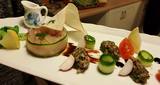 |
Restorāns atrodas Ungurmuižas „vecajā skolā”, kas kopā ar kungu māju un parku veido unikālu kultūrvēstures pieminekli. Ungurmuižas restorāns ir tiem, kas novērtē maltīti no vietējiem sezonas produktiem un gadsimtiem senas receptes. Pavāri iedvesmojušies no muižas saimnieces Helēnes Juliānes 18. gs. vidū pierakstītas ēdienkartes. Gatavojot ēdienu, pavāri izvēlas vietējo novada zemnieku produkciju. |
|
 17 dienas
|
The tour introduces modern day life in rural Latvia, Estonia and Lithuania and includes visits to small farms raising livestock and producing delicious foods, and to ethnographic villages preserving the traditional lifestyle in a contemporary environment. The tour also involves sites of historical and cultural interest. The tour gives a look beyond the usual tourism sites to get to know the three Baltic states more deeply. It starts in the historic Latvian capital, Riga, followed by the Gauja National Park with its castles, manors and walking trails. Climb the tower of medieval Turaida Castle for amazing views over the valley and visit the ancient jewellery master in the castle of the charming town of Cesis. Across the border in Estonia, walk streets with elegant villas at Parnu sea resort before catching a ferry to Saaremma island. Ethnographic Koguva village, ancient churches and windmills are typical of the island, as is an embroidering tradition. Then it's off to Tallinn with its medieval Old Town and to the rocky landscapes of Lahemaa National Park with fishing villages and manors. Try Estonian national dishes at the pub in Altja. Driving back, stop at the university town of Tartu. In Latvia again, visit goat farms and a traditional black bread bakery. Then the tour heads towards the west coast with the cities of Liepaja and, across the border in Lithunaia, Klaipeda. Next is the incredible Curonian Spit. Before Vilnius, take a detour to Grutas Park with its bizarre Soviet statuary. Finish the journey at picturesque Trakai Castle in Lithuania and Rundale Palace in Latvia. |
|
 |
Kafejnīca "Ozoli" atrodas Gulbenes novadā, Lizuma centrā. Baudāmi garšīgi dienas piedāvājumi, kā arī Gulbenes novada īpašie ēdieni. Interjerā izmantotas latviskās zīmes. Latviešu virtuve: Aukstā zupa, frikadeļu zupa, mednieku desiņas. |
|
 |
Esko Farm is a family business which focuses on making dairy products from their own lifestock. Farm's products include yogurt ice creams, cheeses, yogurts and so on. It's possible to take a tour around the farm, get to know the animals as well as have degustation of the farm's products. |
|
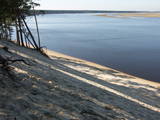 |
Nozīmīgs Rīgas līča krasta un aprimušu kāpu komplekss ar trīs lielo Latvijas upju – Lielupes, Daugavas un Gaujas grīvām un senām atpūtas vietu un kūrortu tradīcijām. Teritorijā izceļas ar skaistām piekrastes ainavām un ir viena no retajām jūrmalas pļavu atrašanās vietām Latvijas piekrastē. Dabas parka teritorijā ietilpst vairāki dabas liegumi – Lielupes grīvas pļavas, Vakarbuļļi, Daugavgrīva, Vecdaugava un Ummis (sk. nodaļu „Dabas liegumi”). Interesantākie dabas veidojumi ir Garciema kāpu amfiteātris un atsevišķas kāpas, piemēram, Legzdiņu un Slēpotāju kalns. Apmeklētājus piesaista dažādie kultūras un vēstures pieminekļi - Mangaļu pussalas fortifikācijas un militārās celtnes (no Krievijas cara līdz Padomju laiku beigām), Daugavgrīvas cietoksnis, Vecāķu kūrorts ar veco piekrastes apbūvi, Daugavgrīvas un Vecāķu pludmales. Rīgas tuvums un svarīgie rekreatīvie resursi ir arī iemesls teritorijas lielai antropogēnai noslodzei. Dabas parks piemērots aktīvam tūrismam (kājinieku, velo, ūdens, auto - moto), distanču slēpošanai, dabas (putnu) vērošanai, kultūras tūrismam, pasīvai atpūtai un izziņas tūrismam. Apmeklētāju vajadzībām izveidota Daugavgrīvas un Rožu kāpu dabas takas u.c. infrastruktūras elementi, kuru blīvums, apjomi un kvalitāte, diemžēl, ne vienmēr ir pietiekams. Diemžēl, šo nozīmīgo pierīgas rekreatīvo objektu nevar pilnvērtīgi iepazīt arī ar velosipēdu, jo nav izveidoti veloceliņi, kas atvieglotu un padarītu drošu braukšanu ar šo videi draudzīgo transporta līdzekli, kā tas, piemēram, ir Kuršu kāpās un pārējā Lietuvas piekrastes teritorijā! |
|
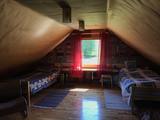 |
Lauku māja "Upes" Pitragā, netālu no jūras, piedāvā naktsmītni un maltītes (iepriekš vienojoties). Pļaviņā ir telts vietas. Lauku mājas vienkāršība un iespējas - āra tualete apvienota ar lasītavu, spēcinošas maltītes no vietējiem produktiem - svaigā gaisā. Pitragā ir LMT tornis. Norādes uz Upēm - Pitraga centrā un no jūras puses. Svarīgi! Piedāvājums attiecas uz vasaras sezonu un rudeni līdz oktobrim. Taču arī ziemas periodā iespējams sniegt atbalstu, ja cilvēkiem ir vajadzība un interese. Vislabāk pirms došanās piezvanīt un noskaidrot aktuālās nakšņošanas iespējas. |
|
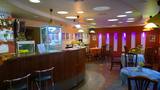 |
Kafejnīca piedāvā svaigi gatavotus mājas ēdienus. "Cafe 21 & Putnu Dārzs" izīrē telpas banketu, svinību,mielastu, furšetu un semināru rīkošanai. Veic ēdienu piegādi un izbraukumu servisu. |
|
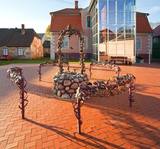 |
Atrodas Limbažu vecajā Rātsnamā. Apskatāms Baltijas valstīs lielākais sudraba mākslas darbs (> 30 kg) u.c. dekoratīvi priekšmeti. Mansardā - unikāli vēlīnā rokoko stila gleznojumi. |
|
 |
Grobiņas mūra pili 1348. gadā cēlis ordeņmestrs Goswin von Herike. Grobiņas pils izmantota kā fogta rezidence, pilsnovada administratīvais centrs, svarīgs ordeņa atbalsta punkts, kā arī ordeņa sūtītu ceļotāju naktsmītne, braucot no Livonijas uz Prūsiju. Pils laika gaitā uzlabota un pārbūvēta. 17.gs. vidū veikta vērienīga pils pārbūve un ārējo nocietinājumu pārveidošana, uzberot zemes vaļņus ar četriem stūru bastioniem. 18.gs. pils celtnes vairs netika labotas, tomēr līdz pat Kurzemes un Zemgales hercogistes likvidēšanai pils dažās telpās vēl atradās Grobiņas apriņķa administratīvās iestādes, gadsimta beigās vairs netika apdzīvota, un tā pārvērtās drupās. Līdz mūsdienām saglabājušies viduslaiku mūri, 17. gadsimtā veidotie nocietinājumu bastioni un aizsarggrāvji, kā arī stāvinātās nogāzes. 2019.gadā pilsdrupas Ālandes upes atpūtas parka projekta ietvaros izbūvēta skatuve un skatu platforma virs pilsdrupām, rietumu nogāzē izbūvētas lielas kāpnes. Ap pilskalnu arī labiekārtota pastaigu taka, kura vijas cauri pilsētai gar Ālandes upi. Viduslaiku pilskalnam un takai piekļaujas pilsētas promenāde ar skatu vietām un soliņiem. |
|
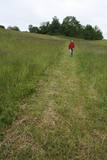 |
Viens no iespaidīgākajiem nacionālā parka pilskalniem, kura piekājē atradusies senpilsēta. Arheoloģisko izrakumu gaitā te atrastas kuršu senlietas. Tiesa, mežs un biezais augājs traucē uztvert šī nozīmīgā arheoloģijas pieminekļa patiesos apjomus un formu. Uz pilskalnu vasarās ved izpļauta taka. Ja esat Žemaišu Kalvarijas pusē un atliek brīvs brīdis, tad savā maršrutā var iekļaut arī šo apskates objektu. |
|
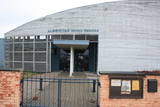 |
Atrodas Celtnieku un Z. Mauriņas ielu krustojumā. Dievnams uzcelts 2000. gadā modernās arhitektūras formās (arhitekti Aija un Andris Kokini), kas simbolizē Noasa šķirstu vai zviedru laivas, kas atnesušas kristīgo ticību. |
|
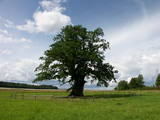 |
Otrs Latvijas un Baltijas resnākais koks. Koka stumbrā liels un vaļējs dobums. Kā jau šāda izmēra koki, tas cietis no zibens. Ainavisks un apjozts ar koka sētiņu.
|
|
|
|
Zaļmuiža ievērojama ar savu leģendāro pagātni. 19. gs. sākumā te par rakstvedi strādāja viens no
ievērojamākajiem Latgales Atmodas celmlaužiem, dzejnieks, zemnieku tiesību aizstāvis Pīters Miglinīks
(1850 – 1883). 1784. gadā tā piederēja Fridriham fon Korfam, tad 1795. gadā Zaļmuižu par 65 000 dālderu nopirka
Krievijas cara armijas virsnieks Nikolajs Paulins fon Rozenšilds, kura mazdēls bija Krievijas Senāta civilpadomnieks.
Muižai bija plaša saimniecība, 800 ha zemes, vairākas lopu kūtis, augļu un vīna pagrabi, spirta
brūzis. No senās Zaļmuižas godības saglabājusies pārbūvēta muižas kungu dzīvojamā ēka, kā arī zemē
pusiegrimusi klētiņa. Līdz 20. gs. 60. gadiem kungu mājā atradās kolhoza „Liesma” centrs, vēlāk klubs. Tagad
te savu smēdi iekārtojis mākslinieks, metālkalējs Jānis Ļubka. Tūristi šeit var vērot metālkalšanas procesu, kā
arī paši izmēģināt pacilāt smago āmuru.
|
|
|
|
Veidojās kā nu jau slēgtās Ignalinas AES (6 km attālumā) darbinieku pilsēta ar padomju laikiem izteiktām arhitektoniskām formām un monumentālismu. |
|
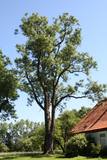 |
Ļoti ainavisks un izteiksmīgs dižkoks, kas aug bijušās Vīcežu pusmuižas zemēs.
|
|


