
| Nr | Nosaukums | Apraksts |
|---|---|---|
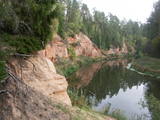 |
No Neļķu klintīm, kas atrodas Skaņākalna parkā, paveras skaistākais Salacas ielejas skats uz smilšakmens klinšu ieloku un upes mierīgo tecējumu. Labi skati no Velna kanceles. Vērts aiziet līdz Skaņamkalnam un pabaudīt slavenās atbalss klints skatus. Atrodas ZBR.
|
|
 |
Viesnīca atrodas netālu no jūras, mierīgā vidē, tikai īsa gājiena attālumā no Ekenas centra Raseborgā. Tuvumā atrodas restorāni, veikali, dzelzceļa stacija un pludmales. |
|
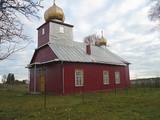 |
Notras vecticībnieku draudzes dievnams uzcelts 1928. – 1931. gadā
vecā dievnama vietā, kurš sākotnēji celts 1853. gadā.
|
|
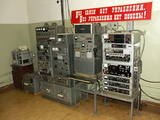 |
Šis īpaši slepenais bunkurs ar segvārdu "Pansionāts" bija viena no stratēģiski svarīgākajām vietām Padomju Latvijā kodolkara situācijas gadījumā. Rehabilitācijas centra "Līgatne" teritorijā 9m dziļumā zem zemes atrodas labiekārtots bunkurs, no kura kara gadījumā tiktu vadīta valsts, kur uzturētos tās galvenās civilās un militārās personas, kas palīdzētu izdzīvot republikai kodolkara apstākļos. Bunkuram slepenības zīmogu noņēma tikai 2003. gadā, kamdēļ līdz mūsdienām ir saglabājies viss autentiskais pazemes aprīkojums. Bunkuru var apskatīt zinoša gida pavadībā, kā arī paēst tipiskas padomju laika pusdienas. Šāda tipa objekts tik labā stāvoklī ir vienīgais Baltijas valstīs, iespējams - arī vienīgais visā padomju bloka valstīs.
|
|
 |
Līdz 17. gs. astoņdesmitajiem gadiem tagadējā Vecdaugavas mikrorajona Skanstnieku vietā pastāvēja Daugavgrīvas pils, ko, sakarā ar Daugavas gultnes dabiskajām izmaiņām (kādreiz Daugava tecēja pa tagadējo Vecdaugavu) nojauca un „pārcēla” uz Daugavas kreiso krastu. No pašas pils nekas vairs nav saglabājies, toties vēl šodien ir redzami veco vaļņu un aizsarggrāvju paliekas, kuras zviedru armijas karavīri izmantoja kā apmetnes vietu Ziemeļu kara sākumā. Katrā ziņā, šī vieta ir interesants Rīgas vēstures un militārā mantojuma objekts, ko vērts apskatīt, esot pilsētas ziemeļdaļā.
|
|
 |
Kopā ar Nagļu dīķiem - Latvijas lielākais zivsaimniecības dīķu komplekss, ko uz Lubāna palieņu kūdrājiem izveidoja 20. gs. 70. gados līdz ar Lubāna hidrotehniskās sistēmas radīšanu. Kvāpānu-Īdeņas dīķiem pa vidu izbūvēts Lubānas - Gaigalavas ceļš. Uz Kvāpānu dīķu dambjiem izveidoti trīs putnu vērošanas torņi. Lubāna zivju dīķi ir viena no bagātākajām un daudzveidīgākajām ūdensputnu ligzdošanas un migrējošo putnu atpūtas vietām, kuru apkārtnē paveras plašas putnu vērošanas iespējas. Teritorija ietilpst Lubāna mitrāja kompleksā.
|
|
 |
Vienīgais šāds muzejs Baltijas valstīs. Tā mērķis – parādīt cilvēka (un lietuviešu tautas) saikni ar kosmosu. Izglītojošas programmas, mitoloģiskie akmeņi. |
|
 |
1339. g. Livonijas ordeņa mestrs (no 1328. – 1340.) Eberhards fon Monheims pašu zemgaļu 1286. g. nodedzinātās pils vietā uzceļ jaunu - mūra pili. To sešus gadus vēlāk nodedzināja lietuviešu karaspēks. Pili gan atjaunoja Kurzemes hercoga Ketlera valdīšanas laikā, taču Ziemeļu kara laikā - 1701. g. to atkal noposta zviedru karapulki. Līdz mūsdienām ir saglabājusies tikai no laukakmeņiem celtās pils sienas atliekas. |
|
 10 dienas
|
The tour takes through all three Baltic States – Lithuania, Latvia and Estonia. The route visits the capital cities and some of the most attractive cities and towns in Mid - Baltics. The tour starts in Vilnius, the capital city of Lithuania. Kaunas is the second largest Lithuanian city, standing at the confluence of the Nemunas and Neris Rivers. Riga, the capital city of Latvia, offers a variety of cultural experiences and entertainment. Sigulda is famous for its landscapes and medieval castles. Cēsis is one of the most charming towns in Latvia with many attractions ranging from medieval heritage to nice restaurants, exhibitions and festivals. Valmiera offers art galleries, museums, nature trails and Valmiermuža beer from the famous local brewery. Tartu in Estonia is a university town, with some very popular tourist attractions such as the interactive AHHAA science centre, the largest in Baltic countries. Finish the tour in Tallinn – the capital city of Estonia. Tourist information centres in cities and towns will help you with maps, information on sights, attractions and guided tours, food, shopping and public transport. |
|
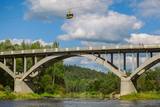 |
Gaujas tilts Siguldā ir vienīgais tilts Latvijā ar šādu unikālu tehnisko risinājumu. Pirmo reizi tilts uzcelts 1937. gadā, taču kara laikā tas tika sagrauts. 1950. gadā to atjaunoja. 2017. gada vasaras beigās noslēgsies tā rekonstrukcijas darbi. |
|
 |
Saimniecība specializējas uz dažādu dekoratīvo stādu audzēšanu nelielos apjopmos. Sezonas laikā pieejamas arī svaigas krūmmellenes, smiltsērkšķi, cidonijas, augļi un ogas. |
|
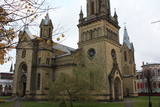 |
Atrodas starp Kr. Valdemāra un Kuršu ielām. Viena no iespaidīgākajām un greznākajām pilsētas celtnēm, kas būvēta neoromantikas formās. 19. gs. beigās katoļu draudze nevarēja saņemt atļauju jauna dievnama celtniecībai, tādēļ uz vecās ēkas uzbūvēja jaunu, kur vecā baznīca tapa par lielākās ēkas sānu kapelu. Baznīcas sienas un koka griestus rotā attēli ar Bībeles sižetiem. Dievmātes kapelā saglabājies mazās baznīcas (no 18. gs.) centrālais altāris. Baznīcas griestos ir iekārts burinieka modelis, ko dāvinājuši vētras laikā izglābušies jūrnieki. |
|
 |
Pitas ir pēc inovatīvas žāvēšanas tehnoloģijas radītas augļu, ogu un garšaugu garšvielas, kuras ražo mājražotāja Lorita Miķelsone. Mājražotāja labprāt ļaus nodegustēt un iepazīstinās ar Pitām jebkuru interesentu, uzņemot apmeklētājus Skaisto un praktisko ideju dārzā Dobelē. |
|
 |
Kafejnīca "Stūrītis" atrodas Talsu centrā pie Baznīcas laukuma. Latviešu virtuve: Pupiņu, skābeņu un aukstā zupa, grūbu vai zirņu putra, bukstiņputra, dārzeņu un gaļas sautējumi, mājas kotletes, pelēkie zirņi ar speķi, cūkgaļas ribiņas, kartupeļu pankūkas, uzpūtenis, ķīselis ar pienu. |
|
 |
Хозяйка встретит вас небольшим рассказом о выращенном в хозяйстве здоровом травяном чае и испеченными ею лакомствами. Если есть желание провести ночь под открытым небом, мы предлагаем места для палаток и костров, расположенные на берегу реки возле старой мельницы Луку. Крестьянское хозяйство «Аплоки» ждет каждого, кто хочет отдохнуть в тихой и спокойной атмосфере. |
|
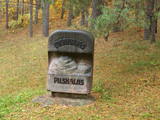 |
From the Markova castle hill, which you will access from the local information trial, you will see a view of the Daugavsargi curve of the Daugava. Further along, you will reach the open shore of the Daugava to see one of the most unique landscapes of Latvia’s river valleys. The Slutišķi village of Old Believers and the mighty Slutišķi cliff will be in the background.
|
|
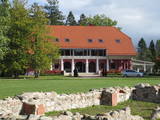 |
Примерно в часе езды от Риги ‒ на территории старинной усадьбы Анны ‒ находится получивший международное признание дизайн-отель Annas Hotel. Вдохновленный старинными традициями латышской кухни шеф-повар ежедневно создает новое меню, позволяющее попробовать особые и непривычные блюда. Латышская кухня: Бульон с лисичками, блюда из крольчатины. Особое блюдо: Суп с черничным бальзамом и с творожным мороженым. |
|
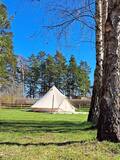 |
Bērzciema Lagūna ir atpūtas vieta zvejnieku ciematā Bērzciemā. Tiek piedāvātas divas teltis, katra ir 28 kvadrātmetrus liela, ar visām nepieciešamajām ērtībām, tostarp divguļamo gultu un atpūtas zonu. Viesu rīcībā ir arī pašapkalpošanās virtuve, āra duša un piknika vietas. Pēc iepriekšējas vienošanās vienā teltī maksimāli var izmitināt 4 personas. Piedāvājumā ir arī velosipēdu un SUP noma, telšu vietas un peldvieta jūrā. Glempings atrodas Enguras ezera Dabas parkā, kurā ir vairākas dabas takas, kā arī Engures ezera dabas taka ar savvaļas dzīvniekiem un putnu novērošanas torni un orhideju taka.
|
|
|
|
Зальмуйжа славится своим легендарным прошлым. В начале 19 века писцом работал один из
величайших пионеров Пробуждения Латгалии, поэт и правозащитник крестьян Питер Миглиникс (1850
– 1883). В 1784 году поместье принадлежало Фридриху фон Корфу, а в 1795 за 65 000 талеров
Зальмуйжу купил Николай Паулин фон Розеншилд, офицер Российской царской армии. Недвижимость
состояла из большого хозяйства – 800 га земли, нескольких зданий, хлевов, фруктовых и винных
погребов, винокурни. От былой славы сохранился перестроенный жилой дом, а также наполовину
погрузившийся в землю амбарчик. До 60-го года 20 века в господском доме находилось правление
колхоза „Пламя”, позже клуб. Теперь здесь свою мастерскую расположил художник-металлообработчик
Янис Любка. Здесь туристы могут увидеть процесс ковки и попробовать поднять тяжелый молоток.
|
|
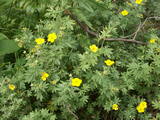 |
This is a swamp into which sulphurous waters flow, and it is on the left bank of the Abava River valley. This is the only place in Latvia where the protected shrubby cinquefoil is found in the wild. This bush covers approximately one-fifth of the restricted territory. It also includes forests, various kinds of meadows and sulphurous streams, including the one which is known as the Devil’s Eye. |
|


