Kontaktinformation
Related objects
| Foto | Name | Beschreibung |
|---|---|---|
 |
The space is on the second floor of the Jūrkalne library, featuring traditional objects from Jūrkalne and the Suiti people, as well as several looms where locals organise creative workshops. Contact the chamber in advance to arrange for a guide who will tell you all about the culture and traditions of the Suiti and present a film about them. |
|
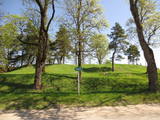 |
Is an ancient Courlandian castle hill and is found in the very centre of Alsunga. It was named in 1659 when General Berg from Kurzeme put cannons on it to attack Swedish forces that had fortified themselves in the Alsunga castle. The hill is 8 to 10 metres high and 24 x 54 metres wide, offering a lovely view of the St Michael Roman Catholic Church, as well as the Alsunga windmill lake that is alongside it. There is a distinct terrace around the hill, and it once was the foundation of wooden defensive structures. On the other side of the street, to the West of the castle hill, is a cemetery with fire graves of Courlandians that date back to the 11th to 13th century. Archaeologists examined the area during the middle part of the last century. The Suiti celebrate Easter and other holidays on the hill. |
|
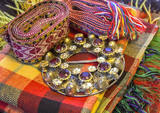 |
Features vivid woven Suiti textiles and offers master's classes. You can also purchase souvenirs. Contact the workshop in advance if you want to take part in the classes. |
|
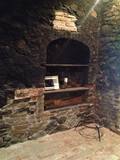 |
The Jūrkalne People's Centre is the main gathering place for Suiti people and is in a former saloon that was built around 1875. Major restorations were conducted in 2011. The centre offers various events, there is an exhibition hall for visitors, and the "Maģie Suiti" ethnographic ensemble and other amateur ensembles are active there. If you want to meet the Suiti and learn about their traditions, contact the centre in advance. |
|
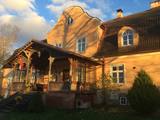 |
Das Gut Mara (Marren) befindet sich im Bezirk Kuldiga in der Gemeinde Turlava. Das Gut wurde erstmals im 16. Jh. erwähnt. 2006 erfolgte eine umfassende Restaurierung. Dabei wurde auch der angrenzende Park, die Alleen und in der Umgebung wachsende große Bäume mit in Ordnung gebracht. Den Gästen stehen hier geschmackvoll eingerichtete, großzügige Zimmer zur Verfügung, darunter auch ein Appartement für bis zu 5 Personen mit getrenntem Eingang, Wohnzimmer, 2 Schlafräumen und Küche. Frühstück kann bestellt werden. Als thematische Rundreisen werden solche mit dem Schwerpunkt deutschbaltische Burgen und Schlösser angeboten und natürlich steht Kuldiga als Perle des Kurlands auf dem Programm. Zudem besteht die Möglichkeit für Malkurse. |
|
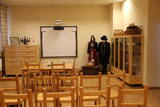 |
This collection features the heritage of the Suiti people, including an exhibition of folk costumes. Visitors can learn about the costumes and try them on. This is a cosy place for meetings, with well-equipped rooms for seminars and various types of training sessions. |
|
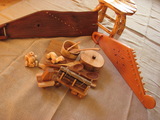 |
Guntis Niedoliņš is a master craftsman, and at this workshop he manufactures wooden jewellery, furniture, interior design objects, spoons, shovels, etc. |
|
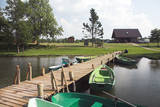 |
This centre offers recreation in a lovely venue on the banks of Lake Zvirgzdi without overnight accommodations. There is a lovely sandy beach for swimmers, as well as boating and fishing. Children can ride a water bike. Active leisure with a country sauna. There is a guesthouse with two rooms for eight people, as well as six camping trailers, 18 sites for tents, and an opportunity to rent a boat. |
|
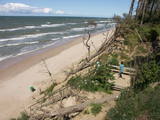 |
Die Steilküste beginnt ein Paar Kilometer weiter im Norden von Pāvilosta und endet kurz vor Ošvalki. Die eindrucksvollsten und interessantesten Formen sind auf der Strecke Strante – Ulmale und in der Umgebung von Jurkalne zu sehen. |
|
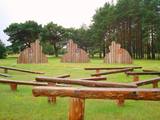 |
The environmental object “SUITI MEETING PLACE” was established during an international arts plénière in Jūrkalne, and the originator of the idea was the musician Igo. Sculptor Ivars Miķelsons with assistants Didzis Grodzs and Juris Krafts produced the environmental object. The idea of marking out the Suiti cultural space among Gudenieki, Alsunga and Jūrkalne in nature began in 2013, when the first Suiti meeting place was established where the Gudenieki-Ēdole and Alsunga-Basi roads cross. The second meeting place was established the next year where the Kuldīga-Alsunga-Jūrkalne road crosses the town in the direction of Jūrkalne past the Alsunga centre. The third Suiti meeting place was established in Jūrkalne. The objects were established in partnership with local governments and landowners by the “Vēju sēta” association. |
|
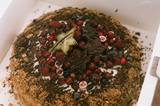 |
Contact her in advance, and the landlady here will bake various cakes, pastries, carrot buns and pierogi with various fillings. You can also order smoked fish. |
|
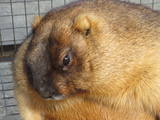 |
A friendly place for families, children and all interested parties. You can go on a tour or individually look at and learn about marmosets. |
|
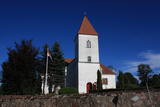 |
Built around 1625. For several centuries it was the main worship place for the Suiti community, supporting the community's spirituality and identity. In 1882 the church was expanded into the form of a cross that is seen today. Inside the church you can see work done by the Dutch wood carver Johann Mertens around 1715. The organ was built by F. Weisenborn in Jēkabpils in 1893, and the altar painting dates back to 1910. The bricked graveyard of the Schwerin dynasty is under the church. Contact it in advance if you wish to see its interior. |
|
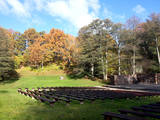 |
features an open-air stage in a lovely place. During the summer there are concerts, theatrical performances, parties, Summer Solstice celebrations, etc. The International Bourdon Festival is held once every four years, and the next one will be in 2020. This brings together bourdon singers from many countries in the world. |
|
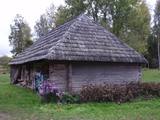 |
This is the home of singer and oral tradition keeper Lidija Jansone, who is a holder of the Latvian Order of Tree Stars and a fierce defender of the cultural heritage of the Suiti people. She will tell you about her community’s history and traditions and about the special bourdon singing of the Suiti. Lidija will also talk about how beer was once brewed by our ancestors for various celebrations. |
|
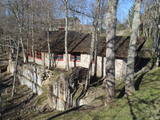 |
Das Wirtshaus befindet sich am Rande der Straße Liepaja – Ventspils (P111), an der erneuerten hölzernen Brücke über den Fluss Riva. Das Thema der Innenausstattung ist das Meer. Im Herbst kann man aus den großen Fenstern beobachten, wie Lachse über den Mühlendamm springen. Lettische Küche: Kalte Suppe, Kartoffeln in der Montur, gebratenes Flunder- und Kabeljaufilet, gebratener Hering in Sanddornmarinade, Schweinefilet mit Steinpilzen, Bratwürste mit eingelegten Zwiebeln, graue Erbsen mit Speck, Kartoffelpüree, geschichtetes Roggenbrot-Dessert, Haferflocken mit Schlagsahne. |
|
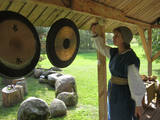 |
Natālija Rutule owns this workshop in the Alsunga Museum building. She teaches master classes in preparing various health and beauty products. A sound workshop offers a chance to listen to the peaceful sounds of gongs, bells and other instruments. |
|
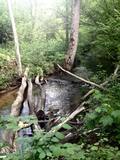 |
1.2 km long, the trail passes through a unique terrain of hillocks and forests, with the height of the valley rising to as much as 15 metres. Visitors will find a diversity of plant life, as well as the beautiful little Kauliņupīte River, which crosses the rail at two points. The health trail was established in the late 1990s. |
|
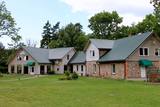 |
Ein neues Gästehaus in Jūrkalne, 300m vom Meer entfernt. Eine Sauna mit Partyraum für 30 Personen. 4- bis 6-Bett-Zimmer. Zeltplätze, ein Parkplatz. |
|
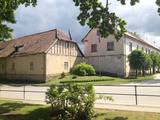 |
Known as Alšvanga in the past, this place was mentioned for the first time in 1231 in an agreement that was signed between the deputy legate of the pope in Rome and the Courlandian tribes of the region. The Livonian Order ruled the territory until 1561, and from 1573 until 1738 the order’s castle belonged to the von Schwerin dynasty from Pomerania. It during the rule of this aristocratic family that a stone church was built in honour of Archangel Michael, and local residents began to convert to Catholicism. Alsunga became the Catholic centre for all of Kurzeme, and local residents became known as the Suiti (from the Schwerin suite). For nearly 400 years, Alsunga has been the historical centre of the Suiti territory. This is Latvia’s most conservative region and is widely known with unusual songs, colourful folk costumes and various folk traditions and beliefs. The Suiti have their own dialect, foods and many other things that have been long since abandoned or forgotten elsewhere in Latvia. The religious has commingled with the folk here in one unique whole. The Alsunga District covers 191 km2 and has some 1,500 residents. |
|
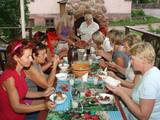 |
Hier kann man die traditionellen kurländischen Gerichte genießen: Sklandrausis und Vorort gebackenes Sauerbrot. Im Sommer können Gruppen von Touristen am Kamin im Außenbereich bei der Vorbereitung der Gerichte von Suiti (Knödel, geräucherte Rippen u.a.) teilnehmen oder schon an gedeckten Tischen in der Art von Suiti das Essen, sowie den eindrucksvollen Vortrag (den einzigartigen Gesang Burbons) der Suiti-Frauen genießen. Lettische Küche: Sauerbrot, Knödel, geräucherte Rippen. Das besondere Gericht: Selbstgebackenes, traditionelles Gericht Sklandrausis. |
|
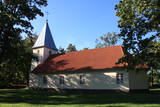 |
according to legend, was washed into the sea because of collapsing shores along with other buildings and the old road. The church was built in 1862 and has an altar painting from the late 19th century, "Mother of God," along with an organ. The metal elements of the building's doors are interesting. Hanging from the ceiling of the church is a sailing ship that has to do with the rescue of the crew of the sunken ship. |
|
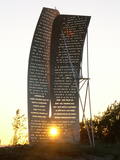 |
In Ošvalki – in einer Ortschaft zwischen Jūrkalne un Sārnate ist ein Gedenkzeichen “Hoffnungssegel” errichtet worden. Das Gedenkzeichen ist den lettischen Flüchtlingen (1944 – 1945) gewidmet, die über die Ostsee in Fischerbooten nach Schweden geflüchtet sind. Das Zeichen ist in den Dünen zwischen Weg und Meer aufgestellt worden. |
|
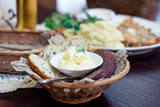 |
Dieses Gästehaus befindet sich 0,3 km von der Steilküste von Jurkalne entfernt: In einem historischen Gebäude aus Holz, das erneuert ist. Lettische Küche: Dickflüssige Suppe aus grauen Erbsen, Graupengrütze Koča mit Steinpilzen, das Gericht Kupiņas (Sauermilch, Kefir, Quark, Kartoffel, Kümmel), Hering mit Quark, graue Erbsen mit Speck, Gerichte aus Seefischen, Roggenbrot-Dessert Biguzis. Das besondere Gericht: Dessert aus Sanddornbeeren und Honig. |
|
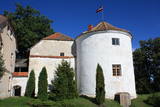 |
Alsunga wurde ursprünglich als Region Bandava schon 1230 in einem Vertrag des päpstlichen Gesandten mit dem Stamm der Kuren genannt. 1341 war Alsunga (deutsch: Alswangen, Kurisch: alšu vanga = Erlenlichtung) als „ein festes Haus“ benannt, 1372 begann der Bau einer aus Steinen gemauerten Burg in Form eines Vierecks, in dem der Fürst des Livonischen Ordens lebte, der dem Komtur von Kuldiga unterstand. Anfänglich wurde der östliche Korpus als Wohntrakt genutzt, der südliche als Wirschaftsflügel. Später, im 15. – 18. Jh. entstanden die Wehrtürme und die übrigen Teile des Schlosses. Die Ausmaße des Schlosses im Barockstil waren eindrucksvoll genug. Heute beherbergt es die Stadtverwaltung, ein Museum, ein Touristeninformtionszentrum und noch weitere Einrichtungen. |
|
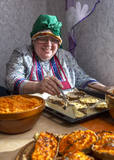 |
A true Latvian landlady, Skaidrīte Nagliņa, will welcome you to this farm and show you how to bake traditional bread. Old recipes and a bread oven heated by firewood will lead to beloved and tasty carrot buns, fresh sourdough bread and “pizza” ὰ la the Suiti. For groups up to 10 people. Please contact the farm in advance of your visit. |
|
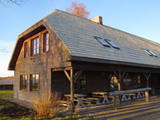 |
Ein Gästehaus mit einer Gaststätte in Jūrkalne - zwischen Ventspils und Liepāja gelegen. Altertümliche Innenausstattung und gemütliche Atmosphäre. Sauna, Swimmingpool, Seminar- und Konferenzräume.
|
|
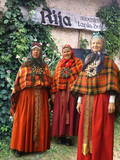 |
In der alten Getreidedarre des Landgutes von Alsunga befindet sich ein Souvenirgeschäft, in dem man Souvenirs und im Haushalt nützliche Dinge kaufen kann, die in dem Kreis von Suiti hergestellt sind: Tücher (die Kleidung von Suiti zeichnet sich durch lebhafte Farben aus), Handschuhe, Socken, Geschirr, Tees u.a. Hier werden kreative Werkstätte organisiert. |
|
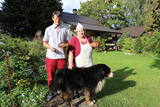 |
Im Birkenhof wird sehr schmackhaftes Roggen- und Weizenbrot in alter Tradition gebacken. Den besonderen Geschmack gewinnt das Brot durch das Backen im über 70 Jahre alten Backofen. Brot kann man bestellen oder nach vorheriger Vereinbarung auch selbst backen. |
|
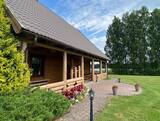 |
Angenehme Erholung in einem komfortablem Gästehaus direkt am Zvirgzdu-See. Räume für Feiern, Sauna und gut eingerichtete Zimmer. Campinghäuschen für Angler.
|
|
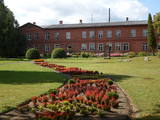 |
The centre was opened in 2018 with the aim of facilitating tourism in Alsunga and the historical Suiti territory and to offer information about the district, thus establishing a positive and attractive image for Alsunga and the historical territory in Latvia and abroad. |
|
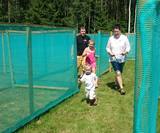 |
This labyrinth covers 3,300 m2. Visitors can make their way through the maze, trying to find the exit and handling clever tasks at some of the special twists and turns in the labyrinth. There is a playground for children, along with a workshop, a mud café and the “fir tree village.” |
|
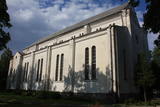 |
was built between 1930 and 1947. On both sides of the altar are sculptures of angels that date back to the late 17th century and were sculpted in Subate. They are the only elements of this kind in the Baroque decorative sculpture in churches in Kurzeme. It may be that the figure of the Saviour on the cross with a sleeping lamb at his feet was produced by the same artists. No one knows how the artworks arrived in Subate. The organ with its wooden pipes was manufactured by Juris Bokums. During the season, the interior of the church can be toured, and if you contact the church in advance, you can arrange for organ music performances. |
|
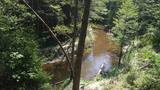 |
Nature trail "Curves of Riva" starts at Ulmale-Labraga Lutheran Church and continues 3 kilometres down the picturesque downstream of river Riva. Rīva here flows in a canyon-type ravine which reaches 12 meter rise at some points. The trail reveals countless river twists and turns and steep coastal cliffs. The trail is partly accessible with an assistant and is marked with green paint. |
|
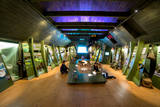 |
The Baltic Sea gave this territory one of the old names of Jūrkalne – Felixberg, and people still talk about the interesting legend that is the origin of the name. Several wrecked ships have been found in the Baltic Sea off the coast of Jūrkalne. An exhibition in the museum visualises the underwater world as the deck of a ship that has sunk into the depths of the sea. The exhibition focuses on the cultural and historical heritage of underwater Latvia, allowing visitors to learn all about the history of sailing ships, steamships and other objects that have been raised from the depths. Small children will start to learn about the underwater world, and researchers with broader knowledge will find something new here. |
|
 |
The landlady of this farm will tell you about healthy herbal teas and home-based goodies. If you wish to spend the night under the stars, we offer a place for tents and a campfire on the banks of local river by the old Lūkas windmill. “Aploki” will welcome anyone who wants to relax in a peaceful and quiet atmosphere. |
|
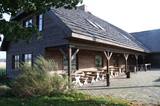 |
Dieses Wirtshaus befindet sich einige Kilometer von Jurkalne entfernt: in einem Blockhaus mit lettischer Innenausstattung. Hier werden Konditoreiwaren hergestellt. Das Wirtshaus arbeitet mit Heimarbeitern zusammen. Lettische Küche: Nesselsuppe mit Gänseeiern, Suppe aus Ostseefischen, graue Erbsen mit geräuchertem Schinken, Kartoffelpfannkuchen mit Lachs, Hering mit Quark, hausgemachte Frikadellen, geschmorte Schweinerippen, Festbraten mit Herbstbeeren, Rindfleisch mit Pfifferlingsoße, Wildschweinfrikadellen, gebratenes Kabeljau- oder Zanderfilet, geschichtetes Roggenbrot-Dessert, Birkensäfte, Johannisbeerensaft. Das besondere Gericht: Im Wirtshaus gekochte Nudelteigtaschen mit Fleisch. |
|
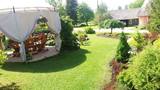 |
This farm welcomes groups and individual travellers for a smoke sauna, lunch, and a chance to taste Suiti bread, buns and special seed pastries that are based on ancient recipes. |
|
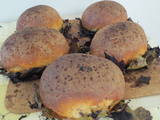 |
Die Bäckerin bäckt nach traditionellen Rezepten Brot und Sklandrausis auf Ahornblättern. Die Sklandrausis bestehen aus Roggenmehl, Kartoffeln und Möhren. In der Bäckerei wird der Prozess der Fertigung von Brot und Sklandrausis vorgeführt, woran anschließend die Besucher die frischen Erzeugnisse verkosten und kaufen können. Daneben werden traditionelle Trachten der Suiti, Spiele und Lieder gezeigt. |
|
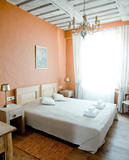 |
Eine altertümliche Kneipe in Jūrkalne, nicht weit von der Steilküste. Zweibett, Dreibett- und Vierbettzimmer. Leckere Mahlzeiten. Parkplatz und Zeltplätze.
|
|
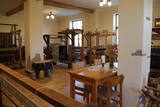 |
Found in the Alsunga Museum, this workshop demonstrates how the folk costumes and accessories of the Suiti community are produced. Visitors can learn about weaving traditions in the area and examine the colourful range of folk costumes. Visitors are welcome to try their hand at the work under the guidance of experienced specialists. |
|
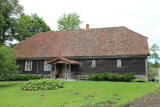 |
The manor is in Basi in the Gudenieki Parish of Kuldīga District, some 20 km from the district centre. The manor was built in the 19th century, burned down in 1905, and then restored. A former residence for servants and an old magazine barn have survived. The surrounding park covers 4.5 ha, and the estate is a cultural and historical monument of local importance. The barn was fully reconstructed in 2009 and 2010 with co-financing from the European Union, and today it is the Basi Culture Centre. In 2019, there is to be an interactive exhibition about Suiti events in Gudenieki -- baptisms, weddings, funerals, etc. |
|
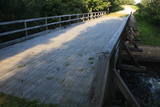 |
This fairly large wooden bridge across the Rīva River is a fairly unique phenomenon in Latvia, but it is one of few, if not the only bridge of its type. The bridge is in a convenient and easily accessed place, and of interest is the fact that it was once part of the Liepāja-Ventspils railroad that was installed during the first half of the 20th century. |
|
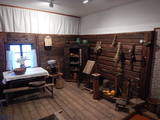 |
Die Exposition des Museums spiegelt drei Hauptbereiche wieder: Die Geschichte des ethnografischen Ensemble „Suitu sievas“, eine für die Region der Suiten typische Wohnzimmereinrichtung mit diversen Haushaltsgeräten, sowie alte Fotografien, die die Geschichte der Stadt wiederspiegeln. Auch für die Suiten typische Volkstrachten mit unterschiedlichen Details sind zu sehen. Dazu wurde eine Weberwerkstatt eingerichtet. (Der Name „Suiti“ kommt von dem der Jesuiten, Alsunga war die einzige katholische Region im ansonsten lutherischen Kurzeme. Viele ihrer Traditionen sind bis heute ungebrochen überliefert. Anm. d. Ü.) |
|
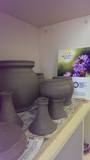 |
Found in the Alsunga Museum, the workshop has been open since 2009, showing people how various ceramics can be made from clay. Visitors can try their hand at the task or just watch as the clay is shaped, spun and, finally, glazed. |