Kontaktinformācija
Related objects
| Foto | Nosaukums | Apraksts |
|---|---|---|
 |
Mācību drava piedāvā piedzīvojumu bišu dravā - ieraudzīt, sajust, sagaršot, sadzirdēt. Apmeklētājiem ir iespēja iepazīt dravnieka arodu (no maija līdz novembrim), izbaudīt veselības kūri (no maija līdz augustam - trešdienās un sestdienās) un degustēt bišu našķus, drosmīgajiem - īpaši pārsteigumi. Organizē meistarklases "Sveču gatavošana", "Vaska gleznas", "Gardēdis", "Veselība no bišu dravas", "Jaunais biškopis", kā arī praktiskas apmācības un seminārus biškopjiem. |
|
 |
Bitenieks apsaimnieko ~ 300 bišu saimes, kuru vāktais medus ir godalgots dažādās nominācijās. Latvāņu medus, vietējās ogas ar medu un medus salmiņi bērniem (vienīgā vieta Latvijā). Interesanti var doties ekskursijā pa dravu, degustēt (10 medus veidi) un iegādāties biškopības produkciju. „Ekstremālā dravošana”, kuras laikā jāuzvelk bitenieka tērps, lai varētu čaklos kukaiņus iepazīt tuvumā. Vaska sveču liešana. |
|
 |
Uzņēmums Ineses Tortes ir vienīgais Latvijas ražotājs, kas ražo tortes un desertus, kas izgatavoti no 100% dabīgām un vietējās izcelsmes sastāvdaļām. Konditoreja, kuru 1993. gadā dibināja izcilā konditormeistare Inese Goldmane, sāka darboties kā neliels ģimenes uzņēmums Kuldīgā. Šobrīd katru mēnesi ražojam tūkstošiem tortes un desertus, kas nonāk uz pircēju galdiem gandrīz visā Latvijā. Aicinām ciemos ikvienu, kas vēlas baudīt tasi kafijas un tējas kopā ar gardu tortes gabaliņu, kā arī uzzināt par mums un mūsu produkciju! |
|
 |
Saimniecības lepnums ir ~ 100 kazu liels ganāmpulks, no kura sniegtajām veltēm ražo pienu, biezpienu un jogurtu. Interesenti var doties ekskursijā, apskatīt dzīvniekus, degustēt un iegādāties bioloģiskā veidā ražotus veselīgus produktus. Tuvējā dīķī var makšķerēt un katrs pats nogrillēt savu lomu. |
|
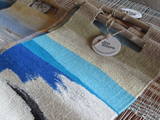 |
Mākslinieces darbnīca atrodas ļoti skaistā viensētā. Auž gobolēnus un piedāvā vērot darbu tapšanas gaitu, pasūtīt, kā arī iegādāties gatavos izstrādājumus. Daudzi no tiem ir praktiski suvenīri un izmantojami kā labas dāvanas. |
|
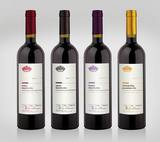 |
"Smilškalnu" dārzos audzē upenes, kazenes, avenes, smiltsērkšķus u.c., no kuriem ražo mājas vīnu. Degustācijas rīko savā vīna darītavā, bet tās iespējams noorganizēt arī Padures Muižā. |
|
 |
Bišu drava "Medulāji"
*Objekts neaktīvs*

|
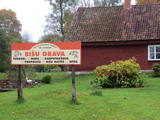
Bitenieks vada ekskursiju pa bišu dravu, demonstrē medus iegūšanas procesu un piedāvā dažādziedu medus, ziedputekšņu, propolisa, bišu māšu un saimju iegādi. Saimniecībā iekārtots muzejs ar vairāk nekā simts gadu veciem bišu stropiem. |
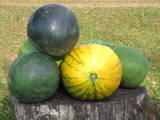 |
Arbūzu audzēšanu saimnieki uzsāka 1997. g., izmantojot šķirnes, kas piemērotas Latvijas klimatiskajiem apstākļiem. Saimniecības „odziņa” ir arbūzi ar dzelteno mīkstumu. Lielākais izaudzētais arbūzs svēris 11 kg. Sezonas laikā – arbūzu iegāde un saimnieka padomi. |
|
 |
Piedāvā iepazīt savvaļas augus un to lietojumu uzturā un cilvēku veselības stiprināšanā. Vada meistarklases savvaļas augu ēdienu gatavošanā, vada atbilstoša satura izzinošas ekskursijas Pāvilostas apkaimē. |
|
 |
Zemnieku saimniecība "Sproģi"
*Objekts neaktīvs*

|
Bijušās Lieģu muižas zemēs saimnieks kopj ābolu dārzu, izmantojot videi un cilvēka veselībai draudzīgas metodes. Dārzā aug ~ 240 ābeles (ap 130 šķirņu), bumbieri, plūmes un ogas. Piedāvā ābolu un ogu degustāciju un iegādi. Sniedz noderīgus padomus. Vieta ieguvusi romantiskākā Latvijas dārza nomināciju. |
 |
Katra mēneša otrajā sestdienā (iepriekš vienojoties – arī citi laiki) saimnieka klātbūtnē katrs pats var iemēģināt prasmes zivju kūpināšanā, kam seko pagatavoto zivju degustācija. |
|
 |
"Laikas" iecienījuši Baltijas jūras piekrastes makšķernieki. Lomā var cerēt dabūt butes, kādu mencu vai zuti. Saimnieki vāra garšīgu zupu no jūras zivīm un kūpina tās. Šurp atbraukušie var piedalīties zivju pagatavošanas procesā. |
|
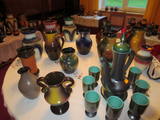 |
Stāsta un demonstrē – kā no māla top dažādi izstrādājumi, kā arī mudina apmeklētājus darboties pašiem. Šeit tapušos darbus var iegādāties, kā arī pasūtīt jaunus. |
|
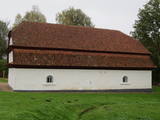 |
Padures muižas klētī (vienīgā ampīra stilā celta trīs stāvu klēts Latvijā) tūristu grupām piedāvā koču (sātīga grūbu putra ar sīpoliem un gaļu), dažādas zupas (zivju, skābeņu), ķiļķenus, sieru un dažādus saldos ēdienus, kā arī līdzdarbošanos ēdienu tapšanas procesā. Mājas vīna degustācija. Saimniece interesentiem izstāstīs par gadskārtu tradīcijām, klēts vēsturi. Latviešu virtuve: Zivju un skābeņu zupa, ķiļķēni (saldie, sāļie), cūkgaļas ribiņas, sieri, saldie ēdieni, mājas vīns. Īpašais ēdiens: Koča - sātīga grūbu putra ar sīpoliem un gaļu. |
|
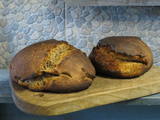 |
Saimniece ar malku kurinātā klona krāsnī cep īstu Latvijas lauku rudzu maizi. Rudzu saldsskābā maize tiek cepta pēc dzimtas īpašumā esošas senas receptes, no īstiem rudziem, kuri tiek izaudzēti pašu saimniecībā, ar bioloģisko saimniekošanu. Mīklu gatavo no rudzu vai kviešu miltiem, sāls, cukura, ķimenēm un dabīga ierauga. Apmeklētāji var vērot un piedalīties maizes cepšanā, degustēt un iegādāties to, kā arī apskatīt muzeju. |
|
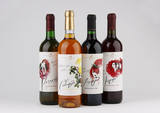 |
Saimniecībā no vietējiem produktiem ražo mājas vīnus (plūmju, aveņu, bērzu sulas, aroniju, augļu - ogu, vīnogu, upeņu u.c.), ievārījumus (upeņu, ābolu, ērkšķogu, rīvētu kabaču, ābolu - ķirbju u.c.), marinējumus (tomāti želejā, dārzeņu lečo, gurķi kurzemnieku gaumē, kabaču ikri, marinēti kāposti u.c.), kompotus (zemeņu, aveņu, ķirbju, plūmju u.c.), sulas un sīrupus (ābolu, aroniju), vīnus (ābolu - irbeņu, aveņu, plūmju, aroniju, vīnogu u.c.), liķierus (zemeņu, dzērveņu, piparkūku, cidoniju, aveņu u.c.). Tūristu grupām piedāvā vīnu un liķieru degustācijas: var pamēģināt 8 - 9 vīnu vai 5 liķieru veidus. Grupas lielums ir no 10 - 40 cilvēki. |
|
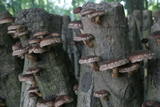 |
Pirmā saimniecība, kas Latvijā uzsāka šitaki sēņu audzēšanu. Piedāvā izzinošu ekskursiju, iepazīstina ar sēņu pārstrādi,dalās ar padomiem un cienā ar „Imperatora sēņu” mērci vai zupu. Interesenti var pasūtīt arī citus ēdienus, kuru sastāvā ir šitaki sēnes, kā arī iegādāties tās kaltētā veidā vai sēņu pulveri. Saimnieks gatavo dzērienu „Ponšo”, kas Latvijā degustējams tikai "Garīkās". Var izstaigāt "Garīku" apkaimi, kur izvietoti melnalkšņu stabiņi, no kuriem aug (dažādās stadijās esošas) šitakē sēnes, kā arī ābeļdārzu un dīķi ar plašu skatu uz apkaimi. Saimnieks atjaunojis vēsturisko muižas trieci. |
|
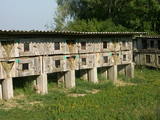 |
Trušu ferma (~ 200 truši), kuras apmeklētājiem piedāvā ekskursiju ar trušu apskati un konsultācijas par trušu audzēšanu. |
|
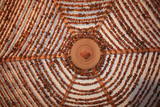 |
Vienreizēja iespēja vērot vienkopus dažādus amatniekus (dzintara apstrādātāji, rotkaļi, audējas, šuvējas u.c.) darbībā un iegādāties meistaru darbus. Apskatāmas pasaules garākās dzintara krelles (123 m, 19 kg!), kas taisītas no pilsētas iedzīvotāju dāvinātajiem dzintara gabaliņiem. Bērniem organizē radošās darbnīcas. |
|
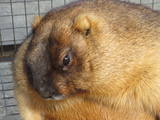 |
Ģimenei, bērniem un citiem interesentiem draudzīga vieta, kur var doties ekskursijā vai individuāli apskatīt un iepazīt murkšķus. |
|
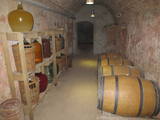 |
Krēslainajā muižas pagrabā var noklausīties stāstījumu par mājas vīna izgatavošanas mākslu un degustēt rabarberu, upeņu un zemeņu vīnu kopā ar apkārtnē saražotajiem lauku labumiem (siers u.c.). Vīns tiek gatavots, izmantojot vietējo zemnieku saražoto produkciju. |
|
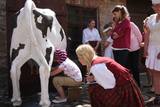 |
Bijušās Sieksātes (Berghof) muižas klētī un sierotavā ir izveidots muzejs (no 1985. g.), kur izsekojams piena ceļš no govs līdz gatavai produkcijai. Interesenti var izmēģināt roku slaukšanā, kult sviestu un degustēt pašu iegūto produkciju. Apskatāms dambriežu dārzs. |
|
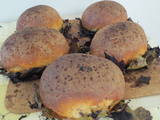 |
Saimniece pēc senām receptēm uz kļavu lapām cep maizi un sklandraušus, kas sastāv no trīs kārtām (rudzu milti, kartupeļi un burkāni). Demonstrē maizes un sklandraušu cepšanas procesu un piedāvā degustēt vai iegādāties gatavo produkciju. Piedāvā arī suitu sievas ieģērbšanu, rotaļas, apdziedāšanu. |
|
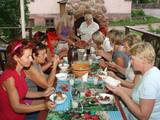 |
"Spēlmaņu krogs" atrodas Alsungas centrā pie Dižgabalkalna. Krogā var nobaudīt sklandraušus un uz vietas ceptu suitu skābmaizi. Vasarās tūristu grupas uz āra kamīna var piedalīties suitu ēdienu (ķiļķēni, žāvētas ribas u.c.) gatavošanas procesā vai mieloties jau pie klātiem galdiem suitiskā garā, kā arī baudīt Suitu sievu (unikālais burdona dziedājums) iespaidīgo priekšnesumu. |
|
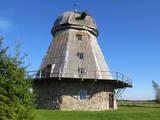 |
Pateicoties saimnieku rūpēm, ir saglabātas vēsturiskās vējdzirnavas (no 1885. g.) un to mehānisms. Dzirnavu ēkā piedāvā ekskursiju ar vietējā ražojuma konditorijas gardumu un lauku maizes degustāciju. |
|
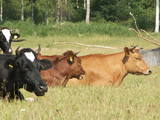 |
Saimniecībā audzē zirņus, putraimus, lauku pupiņas un liellopus. Apmeklētājiem piedāvā ekskursiju, kuras laikā stāsta par biodinamiskās lauksaimniecības paņēmieniem. |
|
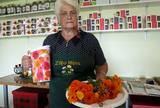 |
Saimniecībā no melisas, avenēm, biškrēsliņiem, raspodiņiem, ceļtekām un liepu ziediem taisa zāļu tējas un tēju maisiņus (suvenīri, dāvanas), bet bišu dravā top medus. Saimniece stāsta par dzīvi laukos un vada izglītojošas ekskursijas par ārstniecības augiem, biškopību, māca veidot zedeņu žogus, piedāvā Turaidu produkciju un degustācijas. Saimniecība ir ieguvusi bioloģiskās saimniekošanas sertifikātu, tādēļ liela uzmanība tiek pievērsta veselīga dzīvesveida popularizēšanai. Klientiem pieejamas šādas tējas: aveņu, upeņu, liepu ziedu, vīgriežu, pelašķu, bērzu lapu, baltās panātres u.c. tējas. Saimniecībā izveidots arī bio veikaliņš "Bites", kurā pieejama Turaidu produkcija. |
|
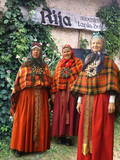 |
Alsungas vecajā muižas rijā ir iekārtots suvenīru veikals, kur var iegādāties Suitu novadā ražotus praktiskus suvenīrus „Tapis Suitos” un citas noderīgas lietas: lakatus, cimdus, zeķes, traukus, zāļu tējas u.c. Bērniem te organizē radošās darbnīcas. Rijā var satikties (iepriekš piesakoties) ar Suitu sievām, uzzināt par suitu tradīcijām, dziedāt un iet rotaļās. „Rijai” piešķirta kultūras zīme „Latviskais mantojums”. |