
| Нo | Название | Описание |
|---|---|---|
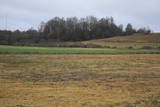 |
Atrodas Vārtājas ielejas labajā krastā un labi saskatāms no Priekules – Grobiņas (P106) ceļa. Senās kuršu zemes – Piemares pilskalns, kas vēstures avotos pirmo reizi minēts 1253. gadā – līgumā starp Kurzemes bīskapu un Livonijas ordeni. Viens no lielākajiem Dienvidkurzemes pilskalniem. Iespējams, ka iepriekš – arī sens kulta kalns. Pagājušā gadsimta sešdesmitajos gados veiktajos arheoloģiskajos izrakumos konstatēts, ka pilskalns bijis apdzīvots jau vidējā dzelzs laikmetā. Pie tā konstatēta liela senspilsētas vieta. |
|
 |
This is a lovely place in Sigulda which has been painted (as the word "gleznotāji", which means "painters" suggests) and photographed for centuries. This is basically not a hill at all, it's just the place where the shore of the ancient Gauja River valley is split by the mighty Vējupīte ravine. You will have an excellent view of the Turaida Castle and the river valley. There are leisure facilities and a viewing platform there. You can ride to Paradīze hill via an electric car. |
|
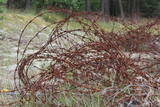 |
Station der Raketen zum Fliegerabwehr ist im weiten Territorium südlich von Pāvilosta gelegen. Ein verlassenes und degradiertes Naturterritorium, wo die Warnungszeichen "Gefährlich, lebensgefährlich!" aufgestellt sind.
|
|
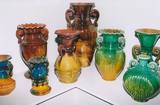 |
This museum is devoted to the career of the ceramist Polikarps Čerņavskis. His work featured light, yellowish and very bright glazing. Guided tours of the museum are available. There are demonstrations of the use of the potter’s wheel. Ceramics can be purchased, and visitors can attend the opening of the kiln. Special works can be commissioned.
|
|
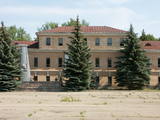 |
Als das Gründungsjahr von Daugavpils wird das Jahr 1275 angesehen. Das ist die Zeit, als der Heermeister des Livländischen Ordens Ernst von Ratzeburg auf dem Burgberg von Naujene die Burg Dinaburga (Dünaburg) gebaut hat. Die Burg hat mehrmals unter litauischen und russischen Einfällen gelitten, bis sie im Jahr 1557 von dem russischen Heer unter der Leitung von Iwan dem Schrecklichen zerstört wurde. Nach diesem Ereignis wurde die Dünaburg 17 km weiter am rechten Ufer des Flusses erneuert, wo sich heute die Stadt Daugavpils befindet. In der Zeit zwischen 1810 – 1833 wurde eine neue Festung gebaut. Im Jahr 1826 wurde mit dem Bau des heutigen historischen Zentrums begonnen. Während des Ersten Weltkriegs wurden die wichtigsten Industrieunternehmen mit ihren Mitarbeitern nach Russland abtransportiert. Während der ersten Unabhängigkeit Lettlands blühte das Kulturleben von Daugavpils auf. Der größte Teil der Stadt wurde während des Zweiten Weltkriegs – im Juli 1944 – zerstört. Heute ist Daugavpils die zweitgrößte Stadt in Lettland und ein bedeutendes wirtschaftliches Zentrum der historischen Region Latgale. Vor einiger Zeit wurden Rekonstruktionsarbeiten in der Festung von Daugavpils begonnen, die auch in Europa einzigartig ist. |
|
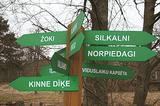 |
Košrags wird als das jüngste livische Dorf des Küstengebietes angesehen (im 17. Jahrhundert gegründet). Im Jahr 1826 gab es in Košrags 78 Einwohner. Im Jahr 1832 wurde in Žoki die erste Leseschule für livische Kinder in den Küstendörfern der Region Dundaga eröffnet, in der als Lehrer der erste fachlich ausgebildete Live Nick Polmanis arbeitete, der im östlichen Dialekt das Evangelium nach Matthäus übersetzt hat. In Košrags gab es eine Windmühle, eine Wassermühle und Bootswerften. Im Frühjahr legten hier Boote mit den Arbeitssuchenden von der Insel Saaremaa an. 1932 wurde der Hafen ausgebaut und 1938 eine Mole zur Sammlung von Seetang errichtet. In den 30er Jahren des vergangenen Jahrhunderts wurde Košrags regelmäßig von finnischen und estnischen Linguisten besucht, die hier die meisten Einheiten livischer Folklore gesammelt haben. Das Haus Norpiedagas wurde vom gesellschaftlichen Arbeiter livischer Abstammung, Didriķis Volganskis (1884–1968), erbaut. Dort wurde sein Sohn geboren, livischer Kulturarbeiter, Pfarrer (Finnland) Edgar Vaalgamaa (Volganskis, 1912–2003), der das Epos „Lāčplēsis“ (Bärenreißer) von A. Pumpurs ins Finnische übersetzt hat. Heute ist Sīkrags ein nationales Kulturdenkmal. |
|
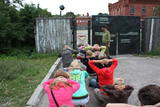 |
Das Gefägnis von Karosta braucht keine Beschreibung. Man muss das einfach erleben und erfahren! Es wird solche Möglichkeit für jeder angeboten. Heutzutage das beste Vorbild, wie man das militärische Objekt als ein Tourismusobjekt anbieten kann. Von diesem Vorbild kann jeder etwas lernen.
|
|
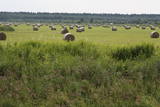 |
Open landscape area within farming lands on both banks of Uzava River about 10 km before it flows into the Baltic Sea. There is a good open view over the area from the Vendzava-Ziri road going through the nature park. Protection of migratory birds and corncrakes has been one of the main reasons for establishment of the nature park. Bird watching is possible from the road Vendzava-Ziri during migration period in spring and fall. There is no tourist infrastructure in the nature park.
|
|
 |
Organisation von Workshops für udmurtische und andere finno-ugrische nationale Küchen, Kennenlernen der Kulturen anderer Völker durch das Essen. |
|
 3 Tagen
|
Dieser Teil des Waldweges bietet die Möglichkeit, Setomaa oder das „Land der Setos“ zu sehen, das von Setos bewohnt wird - einer ethnografischen Gruppe mit spezifischen alten Traditionen und einem einzigartigen Sprachdialekt. Wanderer auf dem Forest Trail können das traditionelle Gehöft von Setos besuchen und die Küche von Setos genießen. Die Wälder der Region sind besonders im Frühherbst reizvoll, wenn der Boden durch die blühende Heide lila gefärbt ist. Es besteht eine gute Chance, wilde Pilze und Beeren zu pflücken. Einer der schönsten Abschnitte dieses Weges in Setomaa führt entlang des Flusses Piusa, wo der Fluss von Sandsteinaufschlüssen umgeben ist. Sie werden auch die Piusa-Höhlen besuchen. Die Tour endet im Värska Resort - mit Sanatorium und SPA, die die Stärken der lokalen Natur nutzen: Mineralwasser und Seeschlamm. Das Mineralwasser von Värska ist in Estland und anderswo bekannt. |
|
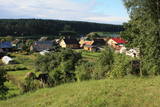 |
Karņicka kalns pēc savas izcelsmes nav kalns, bet gan Daugavas ielejas nogāzes daļa ar labu skatu uz Krāslavas mazstāvu koka apbūvi. Ar šo vietu saistīts traģisks nostāsts par poļu virsnieka Josifa Karņicka un grāfa Plātera meitas mīlestību, kurai nebija lemts piepildīties tā laika „paražu” dēļ. Tā rezultātā abi nelaimīgie nolemj izdarīt pašnāvību. Virsnieks nošaujas, bet Emīliju pēdējā brīdī izglābj kalpone, neļaujot tai izlēkt pa pils logu. J. Karņicka pašnāvības vietā ir uzstādīts piemineklis. Nedaudz tālāk – rietumu virzienā guļ t.s. Austriņa akmens, pie kura 1909. gadā iedvesmojies un radījis latviešu rakstnieks Antons Austriņš. |
|
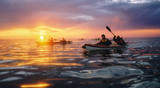 |
Компания занимается организацией активного отдыха на природе: ранней весной- рафтинг, летом - походы на каяках (для желающих с осмотром бобровых жилищ), круглогодичные походы на снегоходах по болотам и трясинам Эстонии, зимой походы на финских санях. Опытные экскурсоводы расскажут Вам увлекательные истории о природе и культуре Эстонии. |
|
 |
The forests of Zvārde are located on land which used to be a Soviet air base. The territory was unpopulated and was not accessible to civilians. The vast area includes various types of forest - boreal forest, bogs of black alder, etc. The fact that the military used to control the territory is one of the reasons why the forests of Zvārde are a location where many rare and protected birds live, reproduce and find food. Some of the elements of the old air base are still in place, including a unique surveillance platform. It is recommended that visitors to the area drive only along general use roads. |
|
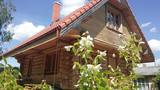 |
Brīvdienu māja "Jasmīnu nams" atrodas pie pašas Jelgavas robežas - tikai 7 minūšu braucienā līdz pilsētas centram. Brīvdienu māja ir lieliska vieta mierpilnam dabas baudījumam, kas rit roku rokā ar iespēju stiprināt veselību pirtī vai alternatīvā SPA - āra kublā. Brīvdienu mājā ir 3 istabas, savrupa teritorija vienai līdz divām mājsaimniecībām – līdz 6 personām, īpašu uzsvaru liekot uz atpūtu kopā ar bērniem. Nav paredzēts skaļām ballītēm un jauniešu tusiņiem. Namiņā ir viss nepieciešamais maltītes pagatavošanai gan iekšā, gan ārā svaigā gaisā. Tuvumā atrodas Svētes upe un atpūtas zona - Svētes palienes pļavu koka laipu celiņu tīkls. |
|
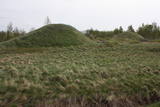 |
В советские годы около Лиепайского аэропорта в Цимдениеки были установлены локаторы противовоздушной обороны. В наши дни локаторы демонтированы, а на их месте сохранились две интересные, искусственно созданные рельефные формы.
|
|
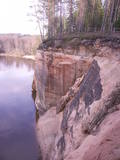 |
These sandstone cliffs were once known as the Pieškalni or Pieškaļi cliffs. They are around 7 km to the North from the centre of Cēsis. These are the most monolithic sandstone cliffs in the Baltic States – around 700 m long (with some 330 m along the Gauja River) and a maximum height of 22 m. There is a viewing area which offers a grand view of the Gauja River valley. Water tourists will boat up to the majestic wall of the cliff and will be surprised at what they see! The name of the cliffs, Ērģeles, is the word for "pipe organ" in Latvian, and the name was supposedly given to the cliffs because of the echoes which can be heard there – they reputedly sound like an organ. Hikers and boaters must be very careful when in this area – please make sure that you are safe! Please note, too, that the infrastructure of the cliff is scheduled to be renovated in 2012. |
|
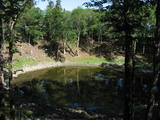 |
Падение метеорита на Сааремаа 7500-7600 лет назад образовало кратер диаметром 110 м. и глубиной 22 м. и 8 кратеров меньшего диаметра. Среди молодых гигантских кратеров мира кратер Каали занимает восьмое место. Поле метеоритных кратеров Каали на Сааремаа является редчайшим природным памятником Эстонии, будучи при этом самым эффектным кратерным полем Евразии. |
|
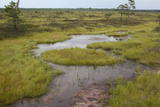 |
Very wide territory for a nature restricted area where extensive forests and several bogs can be found. The territory is important living space for many bird species. Vasenieku bog path with observation tower is the most attractive sites of the restricted area and offers unique landscape of the bog for its visitors. Waterproof shoes are recommended for visitors as the first 500 m of the path is molded turf rampart. Information stands are significant source of information along the path. It is suggested to visit also Stikli (Glass) village where glass factory used to be. Chandelier of Stende church has been made in this factory (by memory of Inese Roze).
|
|
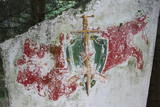 |
В данное время пост береговой погранохраны не используется. На территории сохранился памятник, штаб пограничников и бывшие уборные с деревянными держателями для бумаги. Хороший общий вид пункта погранохраны открывается с высокого вала с южной части поста.
|
|
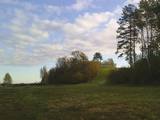 |
Городище Иденя расположено на северо-западном склоне озера
Лубана. С него открывается прекрасный вид на озеро и
болотистую местность вокруг озера. Заселено в 11 веке.
|
|


