
| Нo | Название | Описание |
|---|---|---|
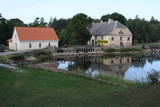 |
For the first time Vihula Manor is mentioned in 1501. The complex you can see now has been made after 1810. It was finished in 1880. Now here is an excellent hotel, SPA complex, a restaurant and more. Around the manor is a park. |
|
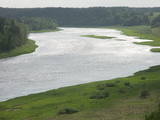 |
The Dinaburga trail first goes downhill, and then it quickly goes uphill to the steep shores of the Daugava river. Among a set of gullies, there is the Naujene (Vecpils) castle hill – some 25m high and the “cradle” of the city of Daugavpils. The ruins of the castle are still visible, and a unique open-air model of the old Dinaburga castle has been prepared. There is a lovely view of the Daugava river valley, and the visitor can expect to spend 20 minutes to an hour here. Objects are located in a protected area of Augšzeme landscapes and in the Curves of Daugava nature park.
|
|
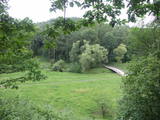 |
Svētkalnā atradusies krustnešu nocietinātā pils. Zemgaļiem to nebija pa spēkam ieņemt, tādēļ, nodedzinādami savu pili Tērvetes pilskalnā (1286. g.), tie aizgāja uz Raktes (Žagares) novadu Lietuvā. Kad Svētkalna nocietinājumi bija zaudējusi savu militāro nozīmi, krustneši to nojauca. 1701. g. Ziemeļu kara laikā Svētkalnā atradās zviedru armijas nocietinātā apmetne, no kā arī cēlies vietvārds. Domājams, ka pirms tam šajā vietā atradusies seno zemgaļu svētvieta. No Svētkalna paveras viena no skaistākajām un biežāk fotografētajām Tērvetes ainavām. |
|
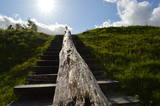 |
One of the biggest castle hills in Estonia, which is surrounded by walls built of stone. It is mentioned in Livonian Chronicle of Henry as one of the best fortifications at that time. |
|
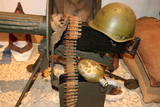 |
Found at Daugavpils Street 40 in Aglona, this is one of the largest private collections of military exhibits related to World War II in
|
|
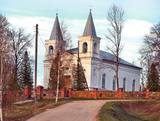 |
Дрицанский Римско-католический костёл Св. Симона и
Св. Иуды построен в 1859 году. Его алтарь готического стиля,
деревянные статуи святых, картина Симона и Иуды, в честь
которых и был назван костёл, украшены красивой резьбой по
дереву.
|
|
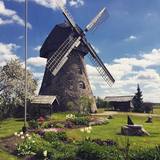 |
Находится в самом высоком месте, с красивым видом на окрестности. Одна из редких ветряных мельниц голландского типа в Латвии (1852 г.), которая находится в рабочем состоянии. Предлагают попробовать руку в помоле зерна. Каждый год в последнее воскресенье июля отмечают праздник Екаба – праздник молодого ржаного хлеба. Латышская кухня: Обед мельника - каша из ячменной муки с мясным соусом, тонкие блины, кефир, травяные чаи. |
|
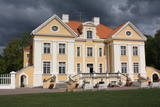 |
Palmse Manor is known to be considered as one of the most beautiful manors in Estonia. The manor has been mentioned first in 1510 as a property of women's monastery. In later centuries it belonged to Palenu family. Manor was built in 1697 but it was made the way we see it nowadays in 18th century. It has been renovated one more time in 1970-1980's. Around the building is a big and scenic park with several ponds. Inside the manor you can become familiar with its interior and visit the basement as well as buy Estonian wine. |
|
 |
The craftsmen's association unites 65 craftsmen from Rūjiena and its surroundings. Offers baking, jam cooking, cheese tying, jewelry making, leather goods, crochet and culinary master classes. Also offers "Made in Rūjiena" tastings (bread, smoked products, culinary products, jams, fresh juices, pumpkin products, seasonal berries and fruits, other dishes in each season) and shopping. |
|
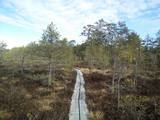 |
Here you can cross a swamp without getting your feet wet and enjoy the local environment, which has been little touched by humankind. You can take the dam of the former Smiltene-Valmiera-Ainaži narrow gauge railroad. It crosses the swamp from the South-East to the North-West and is three to four km in length. There is also a circular wooden pathway on the eastern side of the dam. The length of the trail (including the dam) is around 5km, and it will take 90 minutes to two hours to traverse. The area is covered by environmental restrictions.
|
|
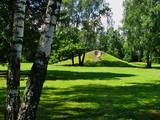 |
Памятный знак Стабурагсу «Ухо бога» скульптора Солвейги Васильевой был установлен в 2003-м году в парке Виганте на месте, где после образования водохранилища Плявиньской ГЭС был затоплен один из интереснейших геологических памятников природы Латвии. Овитый сказаниями, легендами и рассказами плотовщиков, Стабурагс представлял собой известняковый утес высотой 18,5 метров на левом берегу Даугавского каньона, образовавшегося после последнего ледникового периода. Из скалы Стабурагс вытекал источник Лиепавотс, который тоже был затоплен. Стабурагс и затопленный каньон Даугавы были одними из популярнейших туристических объектов Латвии. |
|
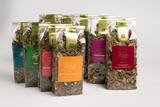 |
In the farm "Ozoliņi" organic tea is produced. With brand "Lauku tējas" tea has been sold in stores more than 17 years. Hostess is happy to share her knowledge through seminars and tea workshops. The farm is surrounded by forests and biologically valuable meadows where you can find up to 50 plants per square meter. |
|
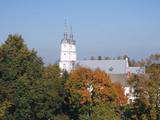 |
В 1753 году барон Михаил Рик приступил к строительству церкви и монастыря. В храме (один из красивейших в Латгалии) первоначально было 9 алтарей. Сейчас церковный центральный алтарь украшают восемь колонн. В левую выемку помещен алтарь Сердце Иисуса, в правую - алтарь страданий Иисуса Христа с деревянным распятием работы XVIII века, которому приписывают чудотворные способности. Интересующиеся могут осмотреть капеллу свечей, капеллы Св. Tерезы, капеллы, посвященные душам в чистилище и неродившимся детям (последняя - в церковном погребе), капеллу Креста, грот в честь Богородицы Фатимы со скульптурами пастушков Фатимы, сад Роз (Чёток), скульптуру опекуна прихода Св. Архангела Михаила и др. Об экскурсии следует заявить заранее. + 371 64662413. Монастырь закрыт для посещения. |
|
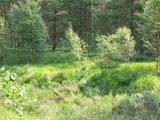 |
The word grīnis in Latvian refers to a very unusual type of forest – pine trees growing on sandy soil. There are two types of this environment – the heather type and the grass type. This is the result of long-lasting interaction between nature and humankind, and such sites are found in just a few places along the shores of the Baltic Sea in Latvia. A very rare plant which grows in the area – cross-leaved heath – was the main reason why a nature reserve was established here in 1936. An abandoned former rail line between Ventspils and Liepāja crosses the reserve from the North to the South. Visits to the reserve are strictly prohibited. |
|
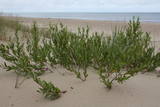 |
The territory is established in order to protect the dunes and the seashore habitats. There are beautiful beaches and wooded dunes, and the paved Klaipēda–Palanga bikeway trails through the park, which is worth travelling at full length. |
|
 |
В хозяйстве, что расположилось на берегу реки Рауна, разводят разные породы рыб. Зимнее предложение включает ловлю лососёвых, а летом предлагается рыбалка на осетра, сига, тилапию и форель. В «Силлакас» можно и купить рыбу. Для туристических групп проводится дегустация рыбы. «Силлакас» находится примерно в 3 км от «Лиепасмуйжас». |
|
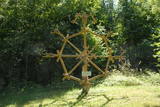 |
Folkloras taka "Jāņkalni" iepazīstina ar mūsu senču rakstiem, zīmēm un dievībām, kas ir mūsu folkloras mantojums. Folkloras takas (garums: apm. 1,5 km vai 2 stundas) mērķis ir arī iepazīstināšana ar senlatviešu ieražām, folkloru, kā arī tautu dainu izprašana. Piedāvā iziet Latvijas karti - labirintu ar 19 etnogrāfiskajiem novadiem. Gids Jums sniegs izsmeļošu stāstījumu un atbildes uz interesējošiem jautājumiem.
|
|
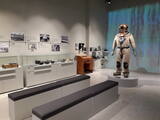 |
This exhibition features the Pļaviņas hydroelectric power plant as a unique architectural building with unique engineering elements. It is the largest producer of electricity in the Baltic States and one of the largest in
|
|
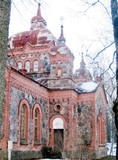 |
Nītaures vēstures takā var apskatīt un iepazīt dažādus vēsturiskus objektus no 13.gadsimta līdz mūsdienām - seno pilskalnu, vācu ordeņa pilsdrupas, luterāņu un pareizticīgo baznīcas, soda vietu un muižas seno apbūvi. |
|
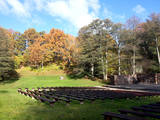 |
В Зиедулее находится ландшафтно живописная сцена на открытом воздухе. Летом в Зиедулее проходят различные культурные мероприятия - концерты, театральные представления, балы, празднование Лиго и т.д. Международный фестиваль бурдона объединяет певцов этого жанра из многих стран мира. |
|


