
| Nr | Nosaukums | Apraksts |
|---|---|---|
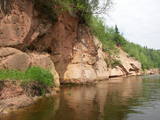 |
Viens no iespaidīgākajiem un varenākajiem Gaujas Devona perioda smilšakmens atsegumiem. Garums ~500 m, augstums - 43 m. Iepretim atrodas Ķūķu krāces. |
|
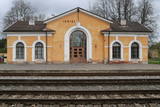 |
Ramocku stacija atklāta 1889. gadā reizē ar dzelzceļa Pleskava-Rīga atklāšanu. 1916.gadā pēc jauna dzelzceļa izbūves līdz Gulbenei, šīs stacijas nozīme ievērojami pieauga. 1918.gadā tā kļuva par divu dažādu sliežu platumu dzelzceļa iecirkņu saskares staciju. Intensīva vilcienu kustība caur šo staciju tika izvērsta Brīvības cīņu laikā. Sadursmes pie Ieriķu stacijas notika jau 1918.gada decembrī. 1919.gadā jūnijā te sākās Cēsu kaujas. Starp Cēsīm un Ieriķiem vācieši uzbruka igauņu bruņuvilcienam. Par dažādiem nopelniem Brīvības cīņu laikā Ieriķu apkaimē, vairāki karavīri saņēma apbalvojumus, arī Lācplēša kara ordeņus.1919. gadā stacija nodēvēta par Ieriķiem. Otrā pasaules kara laikā te atradās lokomotīvju depo.1953.gadā depo vietā izveidoja stratēģiskās rezerves tvaika lokomotīvju bāzi. Pēdējā tvaika lokomotīve L-3599 Ieriķu bāzi pameta 2002.gadā un tagad ir redzama kinopilsētā Cinevilla.Ieriķu stacija vairākkārt pārbūvēta.Otrā pasaules kara laikā nodedzināta pavisam. 1956.gadā uzbūvē pašreizējo ēku. |
|
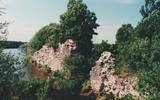 |
Mūsdienās – sala Pļaviņu HES ūdenskrātuvē, kurai var piekļūt ar laivu. Sens sēļu pilskalns, kas bijis apdzīvots vairakkārt laikā no 6. - 12. gadsimtam. Šeit atradās Sēlijas novada politiski - militārais centrs. 1373. g. līdzīgi kā daudzos citos senču pilskalnos Livonijas ordenis uzcēla mūra pili, ko nopostīja 1704. gadā - Ziemeļu kara laikā. Līdz mūsdienām ir saglabājušās četrstūrveida torņa atliekas, sardzes telpa un 12 m augsts priekšpils uzbērums. Apmēram 0,3 km ziemeļos no Sēlpils pilskalna redzams applūdinātais Oliņkalns. |
|
 |
Saaremaa salas saimniecībā Epi ražo augļu un ogu kečupus, dažādus ievārījumus, audzē garšaugus un tējas. Produkti tiek gatavoti tikai no vietējām – Saaremaa un Muhu salas – izejvielām. Produktus var nopirkt tieši no saimniecības. |
|
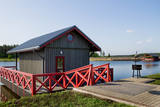 |
Atpūtas kompleksā ir iespējams gan makšķerēt karpu dīķī, gan peldēties un sauļoties labiekārtotā pludmalē uz zviļņiem. Bērniem ir izveidots rotaļu laukums. Iespējams rīkot arī banketus, seminārus un citus pasākumus. Tāpat pieejama pirts ar kamīnzāli atpūtai līdz 20 cilvēkiem. Nakšņošanai tiek piedāvāti četri kempingi, kas izvietoti virs ūdens uz pāļiem. Visi namiņi ir apsildāmi, ar atsevišķu dušu un tualeti, TV un wi-fi internetu. Divos no tiem ir pieejama virtuve, bet vienā - arī kamīns. Katrā namiņā ir trīs vai četras gultasvietas. Tāpat pieejamas telts un kemperu vietas, iespējams uz vietas arī iznomāt teltis.
|
|
 3 dienas
|
This part of the Forest Trail gives an opportunity to see Setomaa or “the Land of Setos” which is inhabited by Setos – an ethnographic group with specific ancient traditions and a unique language dialect. Forest Trail hikers can visit the traditional Setos homestead and enjoy Setos cuisine. The forests of the region are especially charming in early autumn, when the ground is coloured lilac by the blooming heather. There is a good chance to pick wild mushrooms and berries. One of the most beautiful sections of this trail in Setomaa leads along the River Piusa, where the river is surrounded by sandstone outcrops. You will also visit the Piusa caves. The tour will end in Värska resort – with its sanatorium and SPA, which use the strengths of local nature: mineral water and lake mud. Värska mineral water is well known in Estonia and elsewhere. |
|
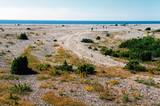 |
„Nomaļa” sala Somu līcī - 9 km attālumā no Dirhami ostas. Tās „vizītkarte” ir kadiķu lauki, akmeņaini – zāļains jūras krasts, ~ 2 km garš un dažus metrus augsts kaļķakmens atsegums – Osmussaare pank salas Z un A daļā.
|
|
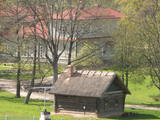 |
Meklējams Mazā Ludzas ezera ziemeļaustrumu krastā. Muzeja brīvdabas nodaļā iepazīstama zemnieka dzīvojamā māja (dūmistaba), dzīvojamā ēka, vējdzirnavas, rija un Latgales keramiķa Polikarpa Vilcāna darbnīca. Tā teritorijā tiek organizēti ar amatniecību un dažādiem kultūras notikumiem saistīti pasākumi. Vieta, kas Latgales kultūras izziņas nolūkā, ir noteikti jāapmeklē. Blakus muzejam atrodas plosta piestātne izbraucieniem pa Mazo Ludzas ezeru (pēc iepriekšēja pieteikuma) un atpūtas vieta. |
|
 |
The cafeteria is in the centre of Krāslava next to A6 highway. It has been recognized as one of the environment friendly enterprises in Latvia. Contact the cafeteria in advance to be served Lettigalian dishes in clay dishes. The cafeteria also has a bakery. |
|
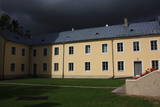 |
The origins of the castle date back to 1237. The closed yard that was typical of Medieval castles has been preserved. The interior took on its Historicism design in the mid-19th century, but there are also more ancient elements such as the gate tower, the basic walls, the firing apertures, the vaulted structures, the window apertures, etc. The Jēkabpils Museum of History was installed in the castle in 1994, and it can be toured in the company of a guide or an audio guide. |
|
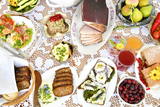 |
Guest house Pinska is a family-owned company located on the former Lõpinska country manor land. The food is prepared from local ingredients and according to local traditions. |
|
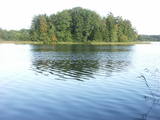 |
This restricted area protects Lake Jumurda, which is in the central part of the Vidzeme highlands, along with its three islands, the local broadleaf forests, and the surrounding landscapes.
|
|
 |
The farm offers a look at angora rabbits, which are very uncommon in Latvia. The owner offers tours, stories, rabbit wool, wool products such as mittens and socks, breeding rabbits and consultations. Children will love the animals and can feed them in the presence of the owner. |
|
 |
Eine gut eingerichtete Strecke des Flusses Driksa (ein Nebenarm des Flusses Lielupe) mit einer zweistufigen Promenade, der im Baltikum einzigartigen Brücke Mītava, Aussichtsplätzen, dem Denkmal Student von Jelgava u.a. |
|
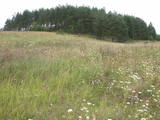 |
This partly forested hillock stands 40 metres above the surrounding area and offers impressive views. The fact that this was once a castle hill is attested by the presence of a moat and remnants of defensive fortifications. It is thought that Lettigalian tribes settled here in the 10th century AD. You can climb the hillock to take a look at the surrounding landscapes. |
|
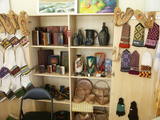 |
Origins of Livani as a bigger place of population are linked to the 1533, when the then owner of the land Lieven established the manor and called it after his own name Lievenhof. The 1678, the first Catholic Church was built here. The city suffered considerably during the two world wars. Name of Livani is associated with the glass. In 1887 a glass factory was founded here, which today has ceased operation. |
|
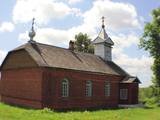 |
Bоrisovas St. Nikolay Old-Believers Prayer House was built in the period of 1911 – 1921 . The different feature of the Prayer House is a brick building placed on the hill. The bell of the temple was specially
ordered and brought from St. Petersburg. The bell has a very soft sound.
|
|
 |
In the workshop it is possible to learn about the process of creating and the usage of pottery of different historic periods, as well as other household goods. Archaeological pottery is presented. The Middle Ages man-carried clay bread oven, frying-pan, drinking cups, the pilgrims’ water bowls. All the works are handmade in the moulded ceramics style and burned in the clay kiln. |
|
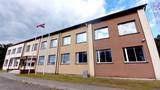 |
Located in Aizpute, within 200 metres of Exotic garden of Māris Linde and less than 1 km of Castle tavern, Hostelis R27 provides accommodation with a shared lounge and as well as free private parking for guests who drive. The property is situated 1.1 km from Art gallery Mētras Māja, 1.1 km from Aizpute Local History Museum and 1.1 km from Aizpute winery. The property is set 1.4 km from Aizpute Baptist Parish and less than 1 km from Livonian Order castle ruins. At the hostel, all rooms have a wardrobe. The shared bathroom is equipped with a shower and a hairdryer. At Hostelis R27 each room has bed linen and towels. Popular points of interest near the accommodation include Stone bridge, Manor Brewery and Aizpute old town. The nearest airport is Liepāja International Airport, 37 km from Hostelis R27. |
|
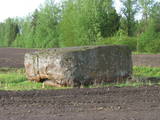 |
Rīgas - Daugavpils šosejas (A 6) 157. kilometrā skats jāpavērš Daugavas (rietumu) virzienā, kur cauri koku alejai klajā laukā 50 m attālumā no ceļa iegūlis Vaiķu akmens (7 m garš, 4,7 m plats un 1,7 m augsts). Akmens, kura tilpumu vērtē ~ 45 m³, pēc formas atgādina plakanu galdu. Nostāsti vēsta, ka to šeit atnesis velns. Kā jau šādiem akmeņiem „pienākas”, stāsta, ka te pusdienojis gan Krievijas cars Pēteris I, gan pats Napoleons. |
|


