
| Нo | Название | Описание |
|---|---|---|
 |
Aitu audzēšanas saimniecībā ir ap 300 aitām. Saimniecības un aitu apskate, konsultācijas aitu audzēšanā un ganāmpulka izkopšanā, praktiski padomi. Šķirnes aitu, gaļas jēru un vilnas iegāde. |
|
 |
Pilsētas aizsargdambi upes labajā krastā (1830. - 1841., autors kara inženieris P. Meļņikovs) cēla ar mērķi aizsargāt pilsētu no applūšanas. Dambis stiepjas 5,6 km garumā. Pēc 1922. g. postošajiem plūdiem uzsākta aizsargdambja celtniecību arī Daugavas pretējā - kreisajā krastā. |
|
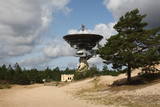 |
Один из самых секретных объектов СССР - военная база, площадью примерно 200 га, на территории которой находились три радиотелескопа большого размера, при помощи которых можно было прослушивать разговоры по мобильным телефонам в регионе Балтийского моря, отслеживать связь противника с подводными лодками, военными базами, космическими спутниками и др. Наименьший из радиотелескопов был демонтирован и увезен российскими войсками. Самый большой из радиотелескопов («САТУРН», высота - 47 м, вес > 600 т) является крупнейшим подобного рода объектом в Северной Европе и восьмым в мире по величине. В наши дни радиотелескопы обслуживает Вентспилсский Международный центр радиоастрономии, ученые которого исследуют радиоизлучение Вселенной. По предварительной записи можно отправиться на познавательную экскурсию с местным гидом, во время которой подняться до уровня зеркала наибольшего радиотелескопа и увидеть подземный ход. |
|
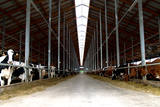 |
АО «Агрофирма Тервете» – это крупнейшее многоотрослевое сельскохозяйственное предприятие в Латвии, работающее в шести отраслях – растениеводство, молочное животноводство, коневодство, общественное питание, производство биогаза и производство пива. |
|
|
|
Eine Asstellung der Steine unter freiem Himmel, eingerichtet vom litauischen Ärzt Intas Vaclovas (1925 – 2007). Ein Museum der einzigartigen Steine. |
|
 |
В ремесленной мастерской Lõnga Liisu можно посмотреть, как в старое время из шерсти получалась нить и как изготавливают вязаные изделия сегодня. Самому можно попробовать чесать шерсть, прясть нить и ткать на ткацком стане половик из тряпок. В магазине большой выбор товаров для всей семьи. Ремесленную мастерскую Lõnga Liisu можно посещать и большими группами. |
|
 |
Mini zooloģiskais dārzs Brocēnu novadā, kur iespējams gan apskatīt, gan samīļot dažādus dzīvniekus lauku vidē. Sētā ir arī ugunskura vieta un nojume, kur patverties lietus laikā.
|
|
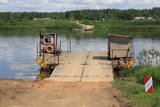 |
Одна из двух переправ такого типа через Даугаву (вторая – у Ливан), которая до сих пор работает как своего рода экзотическое транспортное средство, переправляющее пешеходов, велосипедистов, и даже легковые автомобили. Переправу вперед двигает мотор и натянутый через реку (ширина – 0,2 км) металлический трос. Паром состоит из понтонов Советской армии, которые предусматривались для строительства понтонных мостов для танков. Переправу построили ее владельцы. На левом берегу Даугавы возвышается Дунавская католическая церковь. Недалеко от переправы на берегу Даугавы установлен памятник, посвященный сплавщикам, работавшим на Даугаве. В 20-х годах 19 века в Ливанах было три переправы через Даугаву. |
|
 |
Находится в центре Иерики около Иерикупите, где создана природная тропа для осмотра водопадов и мельницы. Своя выпечка. Латышская кухня: Валмиерский салат, холодный суп, суп из фасоли, кусок свинины, жареная треска, купаты, слойка из черного хлеба. Особое блюдо: «Иерикский салат» – помидоры, копченое мясо, шампиньоны. |
|
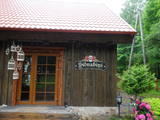 |
Трактир обосновался в старинном срубе неподалеку от Лиелпупской церкви. В старом амбаре рядом с трактиром по рецептам предков делают мясные и колбасные изделия, которые можно купить в мясной и колбасной лавке Sidrabiņi. Предлагаются экскурсии и дегустация продукции. |
|
 |
Кафе «Павардс» находится в историческом центре Тукумса около площади Свободы. Латышская кухня: Букстиньпутра. |
|
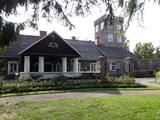 |
Культурно-исторический музей-заповедник реки Даугивене, основанный в усадьбе Бурбишкис в 1991 г., занимает 28 га. В центральной части парка (3 га) расположен пруд с 15 островками, 11 мостами и мостиками. С 2000 г. здесь проводятся праздники цветения тюльпанов, во время которых демонстрируется около 300 сортов тюльпанов. |
|
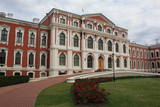 |
Находится на острове Пилс между Лиелупе и Дриксу. Построенный в стиле барокко дворец проектировал известный итальянский архитектор Франческо Бартоломео Растрелли, что является его наиболее значительной работой раннего творчества. Во дворце находится Латвийский сельскохозяйственный университет. В 1968 г. здесь создан музей.+ 371 63005617. В юго-восточном крыле цокольного этажа дворца расположены родовые гробницы правителей Курземе и Земгале – Кетлеров и Биронов (период времени с 1569 по 1791 гг.), где к осмотру представлены 18 отреставрированных саркофагов. |
|
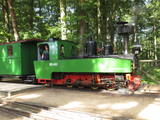 |
Это великолепная возможность вернуться в прошлое – во времена, когда на территории Латвии «господствовал» период узкоколейной железной дороги. Вплоть до 60-х годов прошлого столетия на Северокурземском побережье действовала узкоколейная железная дорога, соединявшая прибрежные рыбацкие поселки. До сего дня сохранились места (еле различимые коридоры на фоне природы), отдельные станционные здания или их остатки. В Вентспилсском Приморском музее под открытым небом можно с интересом проехаться по Круговой линии протяженностью 1,4 км или Горной линии протяженностью 3 км, в конце которой находится поворотный круг. Локомотив узкоколейки был построен в 1916-м году в Германии. Можно также осмотреть станционное здание со всем оборудованием. |
|
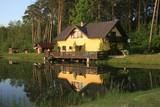 |
Recreation place "Kaupēna mill" is located near Tērvete, Zemgale region. In the pension there is hall for celebrations, there is a garden with grill. Free private parking is available for guests. The kitchenette is fully equipped with crockery and cutlery, and there is a microwave. Turkish bath and terrace. The guest house has 15 beds for overnight stays. Guests are also offered a holiday house "Paradise House". It is a fully equipped family house with kitchenette and 4 beds, pond view, barbecue and gazebo. Quality well / spring drinking water. "Egļu namiņš" - the house has 5 beds, anteroom, terrace. Barbecue with terrace, next to the pond, WC, showers. We also offer 3 camping houses. 4 beds in each cottage. Toilets and showers are shared. |
|
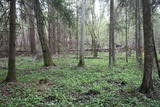 |
One of the rare places (see also Rucavas ivju audze) in Latvia where two rare and protected wild tree species grow - yew-tree and Baltic ivy. Territory is not marked on site with information signs or stands therefore it is hard for visitors to find. Not usable as tourism object.
|
|
 |
Пиццерия находится в Талси, недалеко от озера Талси. В пиццерии Stender’s в милой и уютной атмосфере предлагают особые пиццы Stender's, которые приготовлены, соблюдая старинные традиции пекарей пиццы, объединив их с наилучшим современным опытом. Конечно же, не обходится без блинов и горшочков, а также вторых блюд. Количество мест – 30. |
|
 |
Atrodas skaistā vietā – pašā Daugavas krastā. Ēdina, klāj galdus, piedāvā braucienus ar kuģīti pa Daugavu. |
|
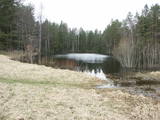 |
This is a part of Latvia in which various manifestations related to layers of earth made up of water-soluble lime can be found. The most unusual elements here are Lake Vecezers and Lake Linezers. The water of the latter lake has flowed underground several times over the last few decades, with the remaining lake hole as much as nine metres deep. No one can fully explain how this happens. A tourist trail encircles Lake Linezers.
|
|
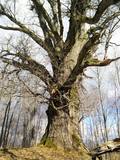 |
Aptuveni 2km garā Ķirbižu meža izziņas taka izveidota apļveidā gar Vitrupes abiem krastiem. Visā takas garumā var mācīties atpazīt Latvijas mežu raksturīgākos kokus, krūmus un augus. Šeit var aplūkot arī Vālodzes dižozolu (6.5 m). Upes labajā krastā, pie tā sauktā vīna pagrabiņa un kreisajā krastā apmēram 200 m no takas sākuma pie Meža muzeja, atklājas ainaviski skati uz ieleju un Vitrupi. |
|


