
| Нo | Название | Описание |
|---|---|---|
 7 дней
|
Выезжая из Риги, сделайте остановку в Национальном парке Кемери, для того, чтобы пройтись по дощатому настилу через таинственное болото. На дальнейшем пути – остановка для сладкоежек – Музей Шоколада Пуре. Вентспилс – один из самых богатых городов, с отличной инфраструктурой, хорошо отреставрированным замком Ливонского Ордена, променадом, изысканными фонтанами и ухоженными парками. Весь город ориентирован на семейные ценности, но детям особенно по душе пляж Голубого флага, с его различными качелями и горками, а также Детским городком, поделенным на разные возрастные зоны. Особое развлечение для детей и взрослых - короткая поездка по узкоколейной железной дороге. Насладиться водными забавами можно в открытом или закрытом аквапарках. Отправляйтесь сами на машине на экскурсии по окрестностям, по живописному морскому побережью, традиционным рыбацким деревням, где у рыбаков можно купить копченую рыбу, в Национальный парк Слитере с его красивым открывающимся с маяка видом, очаровательную Кулдигу с ее деревянным зодчеством и водопадом. На обратном пути в Ригу, взрослым понравится остановка в домашней винодельне, чтобы отведать замечательные вина, изготовленные из чего угодно, только не винограда. Детям, в свою очередь, предлагаем побывать на ферме, познакомиться с сельскими животными и покормить кроликов. Перед Ригой, остановитесь в Юрмале, знаменитом историческом морском и спа курорте. |
|
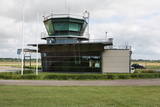 |
И теперешний Вентспилский аэродром, как в свое время объект военного значения, используется в качестве военного аэродрома. В настоящее время регулярные пассажирские рейсы в Ригу прерваны, а аэродром используется для нужд малой авиации.
|
|
 |
В лесном хозяйстве Männiku используются местные продукты ‒ прежде всего растительного происхождения. Здесь накоплен многолетний опыт производства продуктов питания из разнообразного растительного сырья, что привлекает в хозяйство гостей со всего мира. Принимаются только группы. |
|
 5 дней
|
Древние торговые пути способствовали распространению не только товаров, но и знаний, культуры и всего того, что было в то время новым и неизвестным. |
|
 |
The park was established to protect the Venta River valley and the landscapes that are around its tributaries. On the west bank of the Venta, at Papilė, there is a cliff from the Jurassic period which is unique in the Baltic States, has been known since 1925, and has layers in which more than 300 forms of life have been identified over the course of time.
|
|
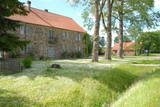 |
По дороге в Турайду определенно следует остановиться у пещеры Гутманя. Это самая широкая (12 м), высокая (до 10 м), с точки зрения объема, и одна из самых огромных пещер (пещерообразная ниша) Латвии, место, имеющее культурно-историческое значение, овитое преданиями (популярнейшее о Турайдской Розе), со старинными надписями, оставленными на стенах и потолке (самые давние относятся к концу XVII в.). Из пещеры вытекает ручей, обладающий целебными свойствами. В месте, где правый коренной берег древней долины Гауи раскалывают несколько глубоких оврагов с мелкими ручьями, стоит Турайдский музей-заповедник с выдающимися памятниками Балтийского масштаба, история которых уходит в далекое 1000-летнее прошлое. Ознакомление можно начать с осмотра Турайдской усадьбы (впервые упомянута в XVI в.), которая служит отличным примером Видземской господской усадьбы. До наших дней сохранилось 21 строение, которые были построены в период с XVIII до начала XX столетия. Посетители могут осмотреть конюшню господской усадьбы, тележный сарай, баню, кузницу, рыбный погреб, клеть, дом старосты, жилой дом управляющего, жилой дом прислуги господской усадьбы, сушилку и др. Следуя в направлении Турайдского замка, подойдем к могиле Турайдской Розы, с которой связана легенда о Турайдской Майе, которая пожертвовала своей жизнью ради любви. Рядом с могилой растет величавая липа (в плохом состоянии), которая как будто бы склоняется над могилой Майи. Стоящая дальше Турайдская лютеранская церковь является третьим подряд храмом и самым старым (1750 г.) памятником деревянного зодчества в Латвии – односекционный деревянный сруб с башенкой в стиле барокко. Здесь представлен к осмотру алтарь и кафедра (середина XVIII в.), алтарная икона «Голгофа» (конец XVII - начало XVIII вв.) и историческая экспозиция. На Горе Дайн раскинулся Парк народных песен, создание которого началось в 1985 году, отмечая 150-летний юбилей отца латышских дайн - Кришьяниса Баронса. В настоящее время в парке установлено более 26 каменных скульптур, созданных скульптором И. Ранка. Ежегодно здесь проводятся фольклорные мероприятия. Перед строительством каменного Турайдского замка (началось в 1214 г.) на его месте находился построенный из дерева замок ливов. Турайдский замок принадлежал Рижскому епископу. Он простоял очень долго - вплоть до 1776 года, пока не сгорел. В 1953 году здесь развернулись масштабные реставрационные работы по восстановлению верхний этаж Главной башни, здания клети (экспозиция о Сигулдском крае), полукруглую башню и южный корпус комплекса замка. Теперь в помещениях замка создана экспозиция музея, рассказывающая об исторических событиях окрестностей. |
|
 |
Atrodas vēsturiskā rātslaukuma dienvidu malā. Jaunā rātsnama celtniecība (itāļu renesanses stilā, arhitekts O. Dīce) tika pabeigta 1860. gadā. Iespaidīgo celtni, kas nulle kā atjaunota, ir vērts apskatīt gan no āra, gan iekšpuses. Ir restaurēts rātsnama pulkstenis, ārējā fasāde, iekšējie interjeri un Lielā zāle. |
|
 |
Latvijas un Igaunijas Neatkarības karā nenovērtējami nozīmīgas bija tieši Cēsu kaujas 1919.gada jūnijā.Atpūtas vieta-kempings "Amatas upe" ir lieciniece tieši šo un vairāku citu kara notikumu norisei - par to liecina vēsturiskie avoti muzeju arhīvos, kā arī mūsdienās redzamās aprises dabā. Par to, kur un kā sākās varoņstāsts, kas noslēdzās ar abu kaimiņtautu: igauņu un latviešu brīvību, ir iespējams uzzināt arī dažādu veidu programmās - stāstījumā par Cēsu kauju noslēpumiem un dažādu veidu pārgājienos vai izbraucienos pa galvenajām Cēsu kauju vietām, vai arī Cēsu kauju aizraujošā "izspēlēšanā". Atpūtas daļā - apmeklētājiem ir iespēja nobaudīt spēcinošu "kara zupu". Ekskursijas pa Cēsu kauju vietām-dažāda ilguma, izstrādāsim tieši jums piemērotu variantu! |
|
 3 дня
|
This route section takes you to the Dzūkija National Park – it is among Lithuania’s most forested and desolate nature areas –, and to the town of Druskininkai – a popular SPA and mineral water health resort on the banks of the river Nemunas. When in Druskininkai, we recommend dipping yourself in mineral water baths, enjoying the trip with the cable car over the river Nemunas, visiting the musical fountain, and walking along the river promenade. The starting point of the hiking route is the village of Didžiasalis, which is reached by bus from Druskininkai. From there, the route will take you through vast coniferous forests, rich in berries and mushrooms, and small villages. As you get to Druskininkai, the Forest Trail will meander along the small streets and parks of the historic resort of Druskininkai, crossing the river Ratnyčia and the forest park on the right bank of the Nemunas valley. Leaving the resort town behind, the Forest Trail runs on the side of the village revealing you the beautiful landscapes and the view of the Liškiava monastery on the other bank of the river Nemunas. Up to the village of Žiogeliai, the route goes along forest roads and continues along the banks of the Nemunas valley, surrounded by the vast Dzūkija forests. Towards the end of the route, climb up the Merkinė Mound and it will surprise you with breathtaking views of southern Lithuania. |
|
 |
Сад на берегу реки Берзе называют как каменной сказкой, так и садом чудес. В сад помещены камни различных форм и размеров, жернова, верстовые и пограничные столбы. Каменную экспозицию дополняют декоративные растения и растительные композиции, о которых заботится хозяйка сада. |
|
 |
This is a site where you can try out ancient weapons – bows and crossbows (a reproduction of items from the 14th and 15th century), throwing an axe (replicas of German axes from the 13th century), and spears. Once you’ve learned how to handle those weapons, you can also forge a copy of a Medieval coin. You can try on copies of armoured caps and gloves and have your picture taken with a sword or battle axe. For larger groups, the enterprise will organise ancient sports and table games.
|
|
|
|
One of the richest sources of sulphurous water in Latvia.
|
|
|
|
Skuķu un netāli esošais Dvietes ezeri ir vieni no teritorijas grūti pieejamajiem palieņu ezeriem – lielākie šāda tipa
ezeri Latvijā. Palu laikā pārplūst, savienojoties vienā lielā ūdenskrātuvē.
|
|
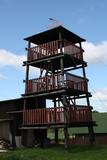 |
This is an interesting viewing tower which is part of one of the farm buildings. It offers a lovely view of the surrounding area.
|
|
 |
Kuģinieku drošībai 1875. g. celtā bāka stipri cieta 1. pasaules kara laikā. Savu tagadējo izskatu tā ieguva pēc atjaunošanas 1922. g. Bākas uguns atrodas 21,3 m v.j.l. un tās detaļas savulaik vestas no Francijas. Pie bākas ieejas 1975. g. uzstādīta piemiņas plāksne par godu bākas simtgadei. Pie bākas atrodas bijušās padomju armijas militārās bāzes atliekas. |
|
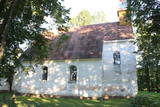 |
В северной части парка Засас находится построенная в 1750 году небольшая Засасская лютеранская церковь. В наши дни восстановлен церковный орган, являющийся работой знаменитого органного мастера Андрея Сунакслиса. Рядом с церковью находится кладбище немецких солдат, павших в Первой мировой войне. |
|
 |
Находится на 8 этаже башни Елгавской церкви Святой Троицы с великолепным видом на значимые исторические достопримечательности и памятники культуры города. Популяризируют утонченную французскую кухню и предлагают блюда для обычного и делового обеда. Латышская кухня: Филе селедки с домашним творогом, картофелем и луком. Особое блюдо: Пирожное «Марияс». |
|
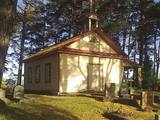 |
Иденская часовня, посвящённая во славу Святого Креста,
построена в 1898 году на средства декана Ф. Смилгевича. Здесь
проводятся католические богослужения. Это деревянное здание
в форме одной комнаты и с небольшой колокольней. Особый
праздник часовни проводится 17 сентября, в День стигматов, и посвящен св. Франциску Ассизскому.
Часовня используется и как каплица.
|
|
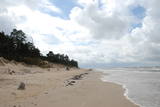 |
Бернати - самая западная точка суши Латвии. Рядом с автостоянкой установлен каменный знак скульптора Вилниса Титанса «Зеленый луч» (1998 г.). Бернатский мыс подвержен воздействию ветра и волн, поэтому здесь наблюдается вымывание морского берега. У дороги, которая из центра поселка Бернати ведет к морю, в конце дюн (имеется указатель), установлен памятный камень со словами первого Президента Латвии Яниса Чаксте, сказанными в 1924 году: «Здесь должен быть курорт». |
|
 |
Учебные мастерские и домашние кафе распространены по всей Эстонии, но преимущественно они встречаются в регионе Пейпсимаа. Во время занятия в мастерской участники с помощью руководителя готовят 3-4 блюда, которые потом все вместе дегустируют. Акцент делается на продуктах, встречающихся в окрестностях Пейпсимаа, и полюбившихся рецептах. Учебные мастерские в основном проводятся под открытым небом, а еду готовят на кострах, используя котлы и самоваром. Зимой мастерские проводятся даже на льду озера Пейпус. |
|


