
| Нo | Название | Описание |
|---|---|---|
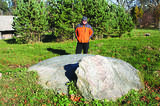 |
Чумной камень у церкви – на поверхности камня был вырублен текст (сейчас
стерся и не виден), согласно которому на ливов напал король Швеции Карл IX и
чума (камень находится в месте захоронения жертв чумы). Сейчас на то же место
поставлен и второй (самый маленький) камень, который когда-то находился у дома
«Пакални». Текст на камне стерся.
|
|
 |
Неподалеку от Цесвайнского замка ‒ в здании усадебного комплекса ‒ по рецептам предков варят натуральное живое пиво. Здесь оживают насчитывающие 150 лет традиции пивоварения, берущие свое начало в 1865 году, когда была заложена первая городская пивоварня. Предлагается экскурсия на пивоварню и дегустация. |
|
 |
Блюда традиционной эстонской кухни из продуктов, произведенных в биологических хозяйствах Saare Ubin и Vatsliku. |
|
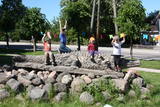 |
Изготовленная в 1995 году (скульптор О. Скарайнис) скульптура стоит на развилке дороги (пересечение улиц Талсу и Е.Динсберга) у молочного завода Дундаги. „Крокодил” посвящен сильным людям и бывшему жителю Дундаги Арвиду Блументалю (1925 – 2006), который жил в Австралии, был большим авантюристом и охотился на крокодилов (~ 10 000). A. Блументалс был прототипом главного героя в знаменитом фильме Пола Хогана “Крокодил Данди”. |
|
 |
Atrodas Rendā, pie tilta pār Abavu. Mazs, jauks krodziņš, kas atrodas vēsturiskā ēkā ar patīkamu interjeru. Piemērota maltītes ieturēšanas vieta ne tikai tiem, kas pārvietojas pa ceļu, bet arī Abavas laivotājiem. Strādā g.k. vasaras sezonā. |
|
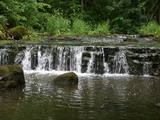 |
The ancient Abava River Valley between Kandava and the place where the river flows into the Venta River is the most expressive river valley segment in Kurzeme in terms of landscape and terrain. The valley is 30 to 40 metres deep and as much as 300 metres wide. The territory is distinguished by great diversity of a biological nature (more than 800 kinds of plants), featuring many different biotopes and natural monuments such as streams, waterfalls, cliffs, huge rocks, and many cultural and historical monumentssmall towns such as Kandava and Sabile. In both cases, the town centres are national monuments of urban construction. Popular tourist destinations include Vīnakalns hill in Sabile, where wine-making grapes are grown, as well as the open-air art museum at Pedvāle. To protect cultural treasures, a cultural and historical territory, “Abava River Valley” has been established. Wild livestock live at Drubazas and Tēvkalni to “maintain” the landscape. There are nature trails for tourists, and the Abava is the most popular river for water tourists in Kurzeme. Information is available at the tourist information centres in Kandava and Sabile. such as castle hills, churches, ancient burial grounds, and
|
|
 |
Tērvetes vīni ir ģimenes vīna darītava Tērvetē. Ražojam vīnu no pašu audzētām ogām un augļiem – avenēm, āboliem, ķiršiem, ērkšķogām, upenēm, cidonijām un no “īpašā dārzeņa” – rabarbera! 2019. gadā esam uzsākuši arī sava vīnogu dārza veidošanu un plānojam piedāvāt saviem viesiem vīnogu vīnu. Mēs - Dace un Sandris Laizāni, Tērvetes vīnu saimnieki esam kaislīgi “vīna mīļi” un šo mīlestību pret vīnu vēlamies nodot arī mūsu viesiem! Jums piedāvājam vīna darītavas apskati un vīnu degustāciju ar omulīgām sarunām par vīna tapšanu jaukā lauku ainavā Tērvetes upes krastā. Atkarībā no sezonas piedāvājam dažādu augļu un ogu vīnu, dzirkstošo vīnu un brendiju degustāciju. Saimniece Dace arī palutinās Jūs ar nelielām uzkodām - mājās ceptu maizi un pašas sietu sieru. |
|
 1 день
|
Ekskursijas laikā apmeklējiet dabas taku, kura izvijas augšup un lejup gar Pilsupes lejteces stāvajiem krastiem un atklāj skaistus skatus uz trīs balto smilšu atsegumiem, no kuriem vecākais ir 6000 gadu vecs. Pēc tam apmeklējiet Kubalu skolu - muzeju, kur redzēsiet, kādas izskatījās skolas 19 gs. Klasē Jūs sagaida senie skolas soli, tāfelītes, tinte un rakstāmspalva. Tālāk dodieties uz dabas parku, kurā izveidota Bišu taka. Iespēja kāpt kokā ar dzeiņa palīdzību, liet vaska sveces un iepazīt dažādos biškopības produktus. Ekskursijas noslēgumā dodieties uz mini zoo, kur ir iespēja apskatīt dažādus dzīvnieciņus - pundurkaziņas, punduraitiņas, mandarīnpīles. |
|
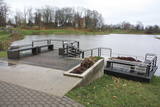 |
Gar Grobiņas ūdenskrātuvi (Ālandes labais krasts) izveidota mūsdienīga un labiekārtota pastaigu un atpūtas vieta - promenāde, uz kuras izvietotas plāksnes ar Zentas Mauriņas un Jāņa Raiņa citātiem. No promenādes paveras labi skatu punkti uz Skābaržkalnu un Grobiņas pilsdrupām. Grobiņas ūdenskrātuves sašaurinājumā pāri Ālandei ved neliels tiltiņš, kas ir bijušā Liepājas – Aizputes šaursliežu dzelzceļa tilta ferma. |
|
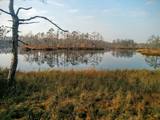 |
Cena's heath swamp's trail was made to introduce vistors to one of the most beautiful things in nature - a moss swamp. The pathway goes not only around beautiful swamp lakes but also meets the degraded part of the swamp. At the beggining and the end is a watch tower. |
|
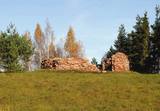 |
Шведский бастион (гора Куцес, гора Юмправас). Средневековое укрепление, защищаемый
государством памятник археологии. Памятник находится в деревне Стару, в 450 м на восток от мель-
ницы Атспуку и в 70 м на юго-восток от руин Юмправмуйжи. Он обустроен на обширной возвы-
шенности, теперь заросшей соснами, на юго-восточном склоне. Здесь, на ограниченной территории,
находятся широкий овраг (0,7 – 1,0 м по внешней стороне) и высокий вал (1,0 – 1,5 м по внутренней
стороне). Западная часть укреплений разрушена при строительстве дороги к руинам Юмправмуйжи.
|
|
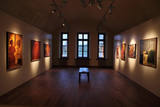 |
Даугавпилсский Центр Исскуств Марка Ротко - многофункциональный художественный комплекс,центр образования и культуры, расположенный на территории Даугавпилсской крепости,в здании Арсенала. Единственное место в Восточной Европе, где будет предоставлена возможность увидеть оригиналы работ Марка Ротко, художника с мировой известностью,одного из основоположников абстрактного экспрессионизма. Даугавпилсский Центр Исскуств Марка Ротко предложит посмотреть постоянные экспозиции: оригиналы и репродукции работ Марка Ротко, дигитальную экспозицию о жизни и творчестве художника, видеозал, культурно-исторические экспозиции, экспозиции с выставками работ художников Латвии, Европы и других стран мира. |
|
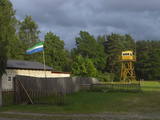 |
Пост береговой погранохраны размещался в здании бывшей Морской школы. В постсоветские времена в отдельных частях зданий предлагались услуги ночлега. Башня погранохраны – один из сохранившихся наилучшим образом объектов на берегу моря.
|
|
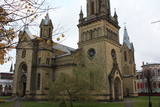 |
Atrodas starp Kr. Valdemāra un Kuršu ielām. Viena no iespaidīgākajām un greznākajām pilsētas celtnēm, kas būvēta neoromantikas formās. 19. gs. beigās katoļu draudze nevarēja saņemt atļauju jauna dievnama celtniecībai, tādēļ uz vecās ēkas uzbūvēja jaunu, kur vecā baznīca tapa par lielākās ēkas sānu kapelu. Baznīcas sienas un koka griestus rotā attēli ar Bībeles sižetiem. Dievmātes kapelā saglabājies mazās baznīcas (no 18. gs.) centrālais altāris. Baznīcas griestos ir iekārts burinieka modelis, ko dāvinājuši vētras laikā izglābušies jūrnieki. |
|
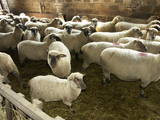 |
На просторных лугах хозяйства по берегам реки Айвиексте пасется крупнейшее в Латвии стадо Латвийских темноголовых овец (~ 400 животных). Осмотр хозяйства, приобретение породистых овец, мяса, шерсти, кожи и овощей. |
|
 |
„Mieriņi” ir īsta liela lauku saimniecība pļavu meža vidū, kas atrodas pie Latvijas robežas. Tīrajos Latgales laukos tiek audzēti bioloģiski dārzeņi un lopi. Saimnieki dzīvo saskaņā ar dabu un aicina ikvienu savu viesi izjust un izbaudīt apkārtnes skaistumu ar visām maņām: gan garšojot, gan elpojot, gan taustot un klausoties. Visas maņas apvienojot, izdodas dzīvot pa īstam. Miera pilna Latgales ainava ieskauj bioloģisko saimniecību „Mieriņi”. Šī vieta dāvās atpūtu ar jauno lapu žilbinošo zaļumu un skurbinošajām putnu dziesmām pavasarī, ar plašo debess jumu, kas atspoguļojas ūdeņos, un košajām dabas krāsām vasarā, ar dzelteno lapu paklāju rudenī un ziemā – ar silto sniega segu uz karstās pirtiņas jumta. Papildu bioloģiskās gaļas produktiem saimniecība piedāvā arī latviešu gadskārtu svinības, nodarbības dabā, pirts pakalpojumus un telšu vietas. |
|
 |
Zemnieku saimniecība "Mežnoras" Raunā izveidota 1993.gadā. Saimnieki Aivars, Ārija un Līga Urbasti šobrīd audzē 1,6 ha vasaras un rudens avenes, arī nelielās platībās zemenes uz lauka un segtās platībās, siltumnīcā. Zemenes no "Mežnorām" parasti pieejamas laikā no maija vidus līdz oktobra vidum. "Mežnorās " audzē vasaras avenes "Norna", rudens avenes "Babje ļeto", “Polana”, populāro zemeņu šķirni “Polka”. No savā dārzā audzētajām ogām (upenes, jāņogas, ķirši, zemenes u.c.) Aivars gatavo mājas vīnu: "Mežnoru vīns pilnībā sākās Mežnorās. Tas piedzimst nevis mucās, bet sākas mūsu zemeņu vai aveņu laukā, un tās ir daudz dziļākas saknes, kas atstāj pēdas arī garšā”. Saimniecībā audzētais pieejams uz vietas Raunā, gan arī Straupes Lauku labumu tirdziņā, Straupes Hanzas tirgū, arī sezonā - Cēsu tirgū. |
|
 |
Впервые название Субате упоминается в 1570 г., когда Курземский герцог Готхард Кетлер продал графу Г. Платеру-Зибергу торговое место Субате. Когда род Платеров – Зибергов в середине 17 века перешел в католическую веру, лютеране Субате были недовольны и в знак протеста переправились на восточный берег озера Субате, который находился в собственности владельцев господской усадьбы «Проде» (в наши дни только развалины) рода Остен – Закенов. В 1685 году Остен – Закены построили для «перебежчиков» лютеранскую церковь, вокруг которой образуется Яунсубате. Обе части города объединились в 1894 году. В 1919 году во время борьбы за свободную Латвию Субате освободили литовцы, после чего последовал раздел города на латышский и литовский сектор (в 1921 году границу определили по предыдущей линии). Исторический центр Субате создавался в периодс16 по 19 век,и его облик связан с храмами четырех разных вер, малоэтажными деревянными постройками, которые выстроились в ряд вдоль узкой и петляющей улочки. И природные условия – месторасположение города на берегах субгляциальной ложбины (Большого и Малого Субатского озера) придают городу необычные для Латвии обзорные перспективы. |
|
 |
Находится за Гробиньским водохранилищем на берегу реки Аланде (ул. Пиладжу, д. 3). Туристический клуб «Ога» с 1 мая 2013 года планирует здесь организацию разных связанных с жизнью викингов мероприятий, во время которых можно будет войти в образ викинга, отправиться в поход на корабле викингов (в соответствующей одежде) по реке Аланде, а также познакомиться с окрестностями, которые связаны с тематикой викингов. Рядом с поселением установлена деревянная фигура викинга с рогами (от коров, пасущихся на Витиньских лугах на берегу Лиепайского озера). |
|
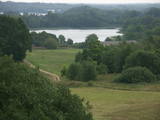 |
Самый молодой национальный парк Латвии (2007 г.) находится в „Крае голубых озер” – в Латгальском крае. Одной из задач создания парка было сохранение самого полноводного Латвийского озера - Разнас, самого богатого островами озера – Эжезерс, и других водоемов, а также сохранение характерного для Латгалии холмистого пейзажа и культурно-исторической среды. В настоящее время одним из самых популярных объектов национального парка является Маконькалнс с прекрасным видом на озеро Разнас. В настоящее время в этом сравнительно молодом парке пока только планируется и производится его туристическое благоустройство - создание троп, маршрутов и т.д., поэтому желательно посещать уже законченные объекты. |
|


