
| Нo | Название | Описание |
|---|---|---|
 1 день
|
Dodieties ekskursijā, lai gūtu ieskatu lauku profesijā un dzīvesveidā, kā arī iegūtu jaunus iespaidus un labu atpūtu visai klasei. Ekskursijas laikā apmeklējiet kokapstrādes darbnīcu, kurā ražo visu saimniecībā nepieciešamo – solus, galdus, pakaramos, virtuves piederumus, pirts baļļas, mucas, lieliskus suvenīrus no koka u.c. Pēc tam apmeklējiet zemnieku saimniecību, kura ir viena no lielākajām un modernākajām zemnieku saimniecībām Zemgalē. Izbaudiet pusdienu pikniku Tērvetes dabas parkā. Ekskursijas noslēgumā dodieties uz maizes ceptuvi, lai izzinātu maizes cepšanas arodu, degustētu un iegādātos maiznīcas izstrādājumus. |
|
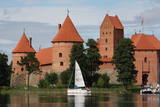 |
The Trakai Island Castle is the only East Europe's castle which is built on a little island. The process of building this castle started in 14th century. After its fall on 1410 during a war it lost its meaning as a military base and became a living place for ruler of Lithuania. Trakai Castle is one of the most popular objects in Lithuania for tourists. Inside the castle is a museum which tells about Trakai history.
|
|
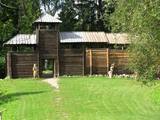 |
Холмы Кассинурме - жемчужины Вооремаа, сформированные последним ледником. В Кассинурме расположены поблизости древнее городище эстов и святое место. У подножия городища построена сцена, во дворе - качели, конические палатки, место для костра и макет городища. В Кассинурме есть природная учебная тропа и тропа реликвий и здоровья. |
|
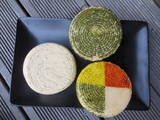 |
Талсинский молочный комбинат был основан в 1922-м году путем объединения нескольких молочных заводов. На этой базе позже было создано АО «Талсу пиенсаймниекс», одним из известнейших продуктов которого является сыр «Талсу ритулис». Продукцию АО «Талсу пиенсаймниекс» – молоко, кефир, творог, масло, сыр и другие продукты можно приобрести в находящемся рядом с предприятием магазине „Piena sēta”. |
|
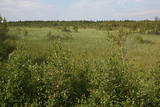 |
There is no need to enter the bog to see it, there are good views from the highway Ventspils – Riga (77 km, bus stop “Pagrieziens uz Elkskeni”). The main value of restricted area is chalky fen bog with brown bog-rush (greatest habitat finding in Latvia). Be careful when stopping on the highway – mind the traffic! A couple of kilometers towards Riga, on the right side of the highway, there is sign to Grizu Velna kresls ( Grizu Devil Chair) which is an attractive boulder (protected).
|
|
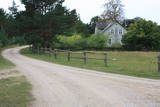 |
Древнее поселение. В 30-е годы 20-го века здесь насчитывалось 50 дворов, а в 1990 году - всего 10. В Овиши родился ученый - энтомолог ливского происхождения Карлис Принцис (1893 - 1978), который в 1944 году эмигрировал в Швецию. Овишский маяк (1814) - старейший действующий маяк в Латвии - высотой 38 метров. С него открывается прекрасный вид. Сохранилось здание, построенное в 1905 году для рабочих маяка, в свое время в нем была обустроена станция узкоколейной железной дороги. В подсобном помещении был создан музей Овишского маяка. Рядом с маяком – металлический Аустрас кокс (дерево Аустры). Напротив Овишрагса - хорошее место для наблюдения за птицами. |
|
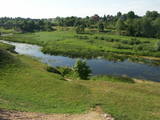 |
The Bauska Nature Park runs for several dozen kilometres along the Lielupe River and its tributaries – the Mūsa and the Mēmele. This is a protected territory. The shores of these rivers contain some of the largest dolomite cliffs in Zemgale. These are protected both as biotopes and as geological monuments. The rivers are important places for river lampreys and vimbas to spawn. Tourists will be attracted by the cultural landscape of the area, as well as the cultural monuments such as the Bauska castle, the Jumpravmuiža park, the Mežotne castle hill, Vīna Hill, the Mežotne castle, etc. The rivers are used for water tourism. |
|
 |
Предприятие выпускает полюбившиеся конфеты «Скриверу готиня» («Скриверская коровка») и создало «Мастерскую сладостей», где посетители могут принять участие в экспедиции «Коровки», сами завернуть свои конфеты, познакомиться с историей возникновения «Коровки», продегустировать продукцию, а также купить свежие натуральные сладости с производства. Предлагаются четыре разные экскурсионные программы! |
|
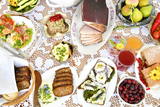 |
Гостевой дом Pinska – это семейное предприятие, стоящее на земле, ранее принадлежавшей сельской мызе Lõpinska. Из местных продуктов и в соответствии с местными традициями здесь готовят различные блюда. |
|
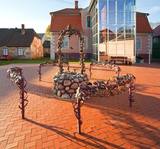 |
Befindet sich im alten Rathaus. Das größte Silberkunstwerk Baltikums (wiegt mehr als 30 kg) und andere dekorative Gegenstände sind zu sehen. Auf der Dachkammer ist die einmalige Malerei im Stil des Spätrokoko zu sehen. |
|
 |
Находится на главной пешеходной улице города. Выпекают свадебные пирожные по бабушкиным рецептам, а также готовят всевозможные кондитерские изделия. Сотрудничают с местными производителями. Латышская кухня: Холодный суп, суп с фрикадельками, орехово - брусничные, клубнично - рабарбаровые свадебные пирожные, пирожки, открытые пирога и др. лакомства. |
|
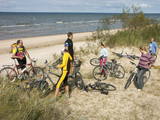 |
Слитерский национальный парк (как заповедник основан в 1923 г., как национальный парк 2000 г.) не без основания называют музеем под открытым небом предшествующей стадии развития Балтийского моря. Современными «живыми» свидетелями тех геологических событий являются Слитерские Голубые холмы - крутые, высотой до 20 – 30 м, образовавшиеся со времен Балтийского ледового озера (стадия Балтийского моря до 10 000 лет назад), холмы Стиебру – древний берег Анцилового озера (8 – 9 тысяч лет тому назад), наибольший в Европе по площади ландшафт валообразных дюн (кангари) и заболоченных междюновых впадин (виги), которые являются образованиями времен Литоринского озера (4 – 7 тысяч лет тому назад). Мягкий климат Северного Курземе служит причиной тому, что здесь наблюдается многообразие пород растений (около 860 пород) и встречается очень много редких для Латвии растений (напр., тис обыкновенный и плющ балтийский). Своего рода заслуга в сохранении здешних природных богатств принадлежит и советскому военному режиму, существовавшему когда-то на морском побережье, и из-за которого на протяжении полувека побережье оставалось почти нетронутым с точки зрения посещения и строительства. Свидетелями того времени остаются покинутые базы и разные военные объекты армии СССР. В Слитерском национальном парке находится один из популярнейших объектов туризма Латвии - Колкский мыс, который в течение года посещают более 50 000 путешествующих, а во время весенней миграции через мыс в течение часа проносятся десятки тысяч птиц. На участке берега Балтийского моря – т.е. на Либиешском берегу от Колки до Сикрага и Овиши сохранились рыбацкие поселки ливов (одна из малочисленных народностей мира) и прочие свидетельства их культуры. К услугам туристов четыре природных тропы, веломаршруты, наблюдательная вышка, открыт для посещения Шлитерский маяк.
|
|
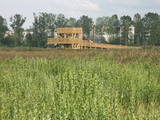 |
Одна из самых интересных особо охраняемых природных территорий Риги, предназначенных для защиты прибрежных биотопов – дюн, приморских береговых лугов и обитающих на них птиц и растений (здесь находится 29% видов орхидей). В этом природном заказнике была создана маркированная образовательная тропа со смотровой вышкой для наблюдения за птицами - единственная в Латвии смотровая вышка под открытым небом, приспособленная для людей в инвалидных колясках. |
|
 |
Кафе «Баравика» находится в центре города Резекне. В кафе представлен широкий выбор всевозможных блюд. Время работы: пн. – пт.: с 8:30 до18:00. |
|
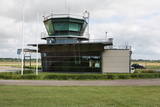 |
И теперешний Вентспилский аэродром, как в свое время объект военного значения, используется в качестве военного аэродрома. В настоящее время регулярные пассажирские рейсы в Ригу прерваны, а аэродром используется для нужд малой авиации.
|
|
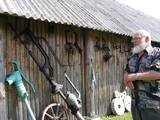 |
At a lovely place in the Gauja National Park in the Vaidava Parish, guests can examine ancient tools, mechanisms and household objects. Guides will talk about how these various items were used. There is a guesthouse for overnight accommodations, and there is room for tents and picnics.
|
|
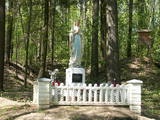 |
Городище Милкас находится на северном берегу залива западной
части озера Салайс, неподалеку от истока реки Малты. Гора поднимается
на 27 м над уровнем озера. Склоны городища крутые одинаково, только
восточная сторона более покатая. Местный предприниматель привел в
порядок городище и установил на нем статую Богоматери, свидетельству-
ющую о вере местных жителей Богоматери и убежденностью в существование Бога.
|
|
 |
Первое упоминание о мызе относится к 1422-ому году. Позднее в мызе располагался лагерь военнопленных, место проката лошадей, тракторная станция и магазин. Сегодня в мызе располагается керамическое производство, продукцию которого можно купить прямо на месте. В керамической мастерской можно самому что-то слепить из глины или раскрасить/глазировать заготовку по своему вкусу. В столярной мастерской мызы можно познакомиться с процессом обработки дерева. |
|
 |
Liellopu izsoļu nams ir vienīgais liellopu izsoļu nams Baltijā. Izsoles tiek rīkotas gaļas šķirņu jaunlopiem - buļļiem un telēm vecumā līdz 12 mēnešiem, regulāri - divas reizes mēnesī. Katru mēnesi izsolēs piedalās vairāk kā 2000 Latvijā audzēti jaunlopi. |
|
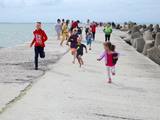 |
The Northern breakwater of Liepāja is located n the Karosta area of the town. It offers a lovely place for perambulations, as well as an opportunity to observe the sea. To the South of the breakwater you will find a fine view of the Liepāja Freeport and its system of breakwaters. To the East is the unique Karosta area, while to the North, there are remnants of a sea fort. Please be very careful while observing the sea, however – the surface of the breakwater is not in great shape.
|
|


