
| Nr | Nosaukums | Apraksts |
|---|---|---|
 |
Kafejnīca "Pavards" atrodas Tukuma vēsturiskajā centrā pie Brīvības laukuma. Latviešu virtuve: Bukstiņputra. |
|
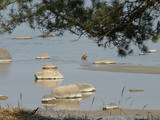 |
„Rīgas jūras līča rietumu piekraste” - nozīmīga patvēruma un barošanās vieta lielam skaitam migrējošo putnu sugu visa gada garumā. Biežāk sastopamās aizsargājamās putnu sugas – brūnkakla un melnkakla gārgale, jūrmalas dižpīle, kākaulis, tumšā pīle un mazais ķīris, teritorija ir nozīmīga arī rifu aizsardzībai. Teritorija atrodas iepretim Dundagas, Rojas un Engures novadam, kā arī Jūrmalas pilsētai, tās platība ir 132 173 ha. Teritorija ietver dabas parka „Engure” un Ķemeru nacionālā parka jūras daļu.
|
|
 |
Kafejnīca "Ozoliņa konditoreja" atrodas netālu no dzelzceļa stacijas. Pagrabstāvā izvietots kulinārijas cehs, pirmajā – veikals un kafejnīca. Cep vienstāvu – daudzstāvu tortes, kūkas (krēmšnites, ābolkūkas, Vecrīgas, medus kūkas, eklērus, ruletes), maizītes (kanēļa, magoņmaizītes, biezpienmaizītes), pīrādziņus (siera radziņi un rausīši, speķa rausīši, Rīgas rauši) un kliņģerus, taisa gaļas plates un sāļās uzkodas. |
|
 |
Darbnīcā top saimniecībā noderīgas lietas – terīnes, gurķu skābējamie podi, cukura un sāls trauki, bļodas u.c. Apmeklētājus iepazīstina ar podniecības tradīcijām un aicina uz cepļa atvēršanu. |
|
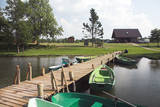 |
Atpūtas vietas “Ezermaļi” saimnieki piedāvā lielisku iespēju arī dienas atpūtai gleznainā un dzidrā Zvirgzdu ezera krastā bez nakšņošanas. Te var atbraukt nopeldēties labiekārtotā pludmalē, pavizināties ar laivu un pamakšķerēt. Bērni varēs pavizināties ar ūdens velosipēdu. Aktīvā atpūta. Lauku pirts. Viesu mājiņā ir 2 istabas 8 personām. 6 kempingmājiņas, 18 telts vietas, laivu noma. |
|
 |
2. Pasaules kara cīņu fortifikāciju paliekas tagadējā Ķeguma HES krastā. Viens dzots atrodas aptuveni 1 km D – DA no Ķeguma HES dambja, Daugavas kreisajā krastā, otrs – arī upes kreisajā krastā iepretim kempingam „Rēzijas”. Tas noslīdējis no ūdenskrātuves viļņu abradētā krasta un daļēji atrodas ūdenī. Pēdējais pieejams g.k. ar laivu no ūdenskrātuves puses.
|
|
 7 dienas
|
Ja jums patīk aktīvs dzīvesveids, šī ekskursija ir ideāls veids, kā izbaudīt kulināro mantojumu, kas slēpjas Gaujas Nacionālajā parkā. Velomaršruts sākas no Strenčiem un vispirms ved caur divām vietējām alus darītavām Brenguļos un Valmiermuižā ar jaukām kafejnīcām un labu alu. Ceļā uz Valmieru apstāsieties arī Trikātas ciematā, lai nobaudītu vietēji gatavoto šokolādi. No Valmieras maršruts ved cauri skaistam mežam uz Cēsīm un tur esošo burvīgo viduslaiku vecpilsētu. Cēsīs apmeklēsiet vietējo maiznīcu un spirta rūpnīcu, lai nobaudītu produkciju. Jūs redzēsiet arī to, kā viduslaikos izskatījās ārstniecības un garšaugu dārzs. Brauksiet ar kanoe no Cēsīm uz Līgatni, kas ir viena no Gaujas skaistākajām vietām ar tās smilšakmens krastiem, attālām lauku viensētām un vecmodīgu ūdensdarbināmu prāmi. Līgatnes pilsētas vēsturiskais centrs ir saistīts ar tās papīrfabrikas attīstību. Šeit iespējams apmeklēt arī vietējos vīna un rokdarbu ražotājus vienā no apgabalam raksturīgajām mākslīgajām alām. Pārvietojoties pa kalnainajiem, līkumotajiem Siguldas ceļiem, redzēsiet Turaidas un Siguldas viduslaiku pilis, Gūtmaņala alu un citus gleznainus skatus. Siguldā baudīsiet latviešu tradicionālos ēdienus restorānos “Bucefāls”, “Aparjods” un viesu namā “Mauriņi” nobaudīsiet 80 ievārījumu veidus. |
|
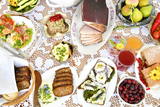 |
Viesu māja Pinska ir ģimenes uzņēmums, kas atrodas uz kādreizējās Lõpinska lauku muižas zemes. Ēdiens tiek gatavots no vietējām izejvielām un atbilstoši vietējām tradīcijām. |
|
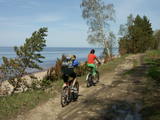 |
Latvijas lielākajā īpaši aizsargājamā dabas teritorijā (ap 6 % no valsts teritorijas), kas aptver daļu no Limbažu, Valmieras un Valkas rajoniem, sastopams ļoti daudzveidīgs un atšķirīgs ainavu, biotopu un sugu kopums. Salaca (ietilpst Salacas ielejas dabas parkā) ir viena no Baltijas jūras reģiona nozīmīgākajām lašu nārstu vietām. Upes ielejas ainava ar smilšakmens atsegumiem piesaista daudzus apmeklētājus – ne velti tā ir otra populārākā Vidzemes ūdenstūristu upe. Rīgas jūras līča austrumu piekraste salīdzinoši īsā krasta posmā izceļas ar lielu ainavu un biotopu atšķirību. Tās ziemeļos plešas piejūras Randu pļavas, vidusdaļā – smilšaini liedagi, bet dienviddaļā – akmeņaina krastmala divu desmitu kilometru garumā. Igaunijas pierobežā ir izvietojušies t.s. Ziemeļu purvi (ZBR dabas lieguma zona, NATURA 2000 teritorija "Ziemeļu purvi"), bet Sedas tīrelis ir viena no nozīmīgākajām putnu atpūtas un barošanās vietām migrāciju laikā. Rezervāta teritorija izceļas ar lielu mežu daudzveidību un tajā sastopami visi Latvijā esošie mežu tipi. Apmeklētājiem izveidotas interesantas dabas takas ar skatu torņiem vai platformām Randu pļavās, Burtnieka ezera krastā, Planču purvā, Niedrāju - Pilkas purvā, Dziļezera un Lielezera krastos u.c. Mazsalacas Skaņākalna parks ir viens no populārākajiem Ziemeļvidzemes tūrisma objektiem. Teritorijā atrodas arī daudzi nozīmīgi kultūras pieminekļi, t.sk. viena no pirmajām Latvijas apdzīvotām vietām, kur šodien atrodas t.s. Zvejnieku kapulauks (5. – 2. g.t. pr. Kr.). ZBR atrodas vēl divas dabas lieguma zonas - NATURA 2000 teritorijas "Vidusburtnieks" un "Augstroze".
|
|
 |
Salīdzinoši liels (3 km garš, 1,3 km plats) un sekls (līdz 1,1 m) piejūras ezers, caur kuru tek Vecslocene. Ezera dienviddaļā šaura caurteka to savieno ar Aklo ezeru – seklu un nelielu ezeriņu ar dolomīta gultni dažās vietās. Labākais skats uz Slokas ezeru paveras no putnu vērošanas torņa tā ziemeļrietumu krastā, kas ir vienīgais uz peldošiem pontoniem celtais Latvijā putnu tornis. Pie tā sākas 3 km garā Slokas ezera pastaigu taka, kuras izcilākā vērtība ir aplūstošie Vēršupītes lejteces dumbrāji. Slokas ezera krastā pie auto stāvlaukuma uzstādīts informatīvs stends, bet aiz tā – apskatāms sēravots. |
|
 2 dienas
|
Šajā tūrē pirmajā dienā apmeklēsim lauku saimniecības, kur apskatīsim un nogaršosim zemnieku izaudzētos un saražotos produktus, bet otrajā dienā dosimies pie Mārtiņa Sirmā un Ērika Dreibanta "3 pavāru restorānu", kur mācīsimies tos gardi un skaisti pagatavot. Viesosimies pie kazkopjiem, kaņepju un ogu audzētājiem, biteniekiem, truškopjiem kā arī apmeklēsim Salacrīvas nēģu zvejniekus. Saimnieki stāstīs gan par savu saimniecību, gan par saimniekošanas un ražošanas metodēm. Gatavā produkcija būs gan nogaršojama, gan iegādājama. Otrajā dienā tiksimies vēlreiz, lai paši gatavotu un baudītu. |
|
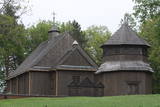 |
Dievnamam ir unikāls astoņstūru veidā darināts zvanu tornis (uzbūvēts ap 1800 gadu). Skats uz Lūšiai ezeru. |
|
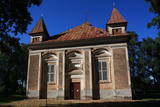 |
Atrodas Mazā Subates ezera ziemeļaustrumu krastā.Dievnams celts 1685. – 1686. g. bizantiskā stilā pēc Prodes muižas īpašnieka H. F. Ostena - Zakena rīkojuma. Šī ir vienīgā Latvijas baznīca, kuras arhitektūra atgādina 17. gs. beigām raksturīgās ideālā protestantu dievnamu formas. Interesanti ir ēkas stūros izvietotie mazie tornīši. Dievnama iekšpusē atrodas bagātīgi ornamentēts un skulptūrām rotāts kokgriezumu ansamblis, t.sk. - 17. gs altāris, kancele un biktssols, kā arī 17. - 18. gs. mākslas darbi un 1682. g. atliets zvans. Jāpiemin, ka daļu no baznīcas interjera ir veidojuši Stelmužes koktēlnieku skolas amatnieki.
|
|
 |
Restorāns "Orizzonte" atrodas pašā jūras krastā ar divām terasēm un visaptverošu skatu uz Jūrmalu. Latviešu virtuve: Marinēta siļķe ar biezpienu, kartupeļu pankūkas, cepta Baltijas bute, jēra kumbrs, Latvijā ražoti sieri. |
|
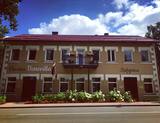 |
Neliela dizaina viesnīca un kafejnīca, kura atrodas Alūksnes vēsturiskajā centrā 10 min gājienā no Livonijas laika pilsdrupām. No viesnīcas vairākiem numuriņiem paveras brīnišķīgi skati, t.sk. uz Alūksnes ev.luterisko baznīcu, Kultūras centru, mākslas skolu, ezeru. Tuvumā atrodas Alūksnes pilssala jeb Marijas sala; no tās pa gājēju tiltu var nokļūt Tempļakalna parkā. Kafejnīcā iespējams baudīt pusdienas un vakariņas, kā arī palasīt vecos (1925.- 1944. gada) laikrakstus “Malienas Ziņas” un iepazīt Alūksnes vēsturi rubrikā “Toreiz un tagad’. Gatavo pašu svaigu (saldētu) ogu saldējumus, kūkas un pasūtījuma ēdienus. Sezonāli piedāvā dažādu šķirņu augļus un ogas: zemenes, ābolus, bumbierus. Augļu dārzs 3 km no pilsētas ar 1000 augļkokiem. |
|
 |
Bijušajā Mīslera muižas parkā ir izveidots savdabīgs tematiskais ciemats, kur visas atrakcijas ir saistītas ar leģendām par vientiešiem, kas bija pazīstamas Vācijā jau pirms 400 gadiem.Vientieši ir jokdaru tēli, kas kļuva slaveni ar savu nepraktisko, bezjēdzīgo rīcību un anekdotiskajām izdarībām.Šeit Jūs varēsiet piedalīties vientiešu anekdotiskajos piedzīvojumu pārgājienos, darboties meistaru darbnīcās, nopirkt kādu vietējo suvenīru, ieturēt maltīti (grupām pēc iepriekšējā pasūtījuma) un pārnakšņot teltīs. |
|
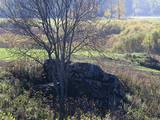 |
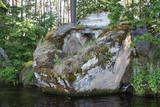
Purmaļu laukakmens ir lielākais laukakmens Rēzeknes novadā un
viens no divdesmit lielākajiem Latvijā, atrodas stāvā nogāzē koku un
krūmu ielokā. Akmens ticis postīts, izlaužot robus, kas tagad veido lielus
pakāpienus. Akmens iegūlis stāvā nogāzē, un tas vēl vairāk izceļ tā
ainaviskumu. Apkārtmērs 18,5 m, augstums 3,2 m, garums 5,6 m, platums
4,7 m, virszemes daļas tilpums ap 30 m3.
|
|
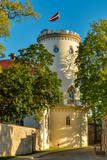 |
Kaut arī Cēsis ģeogrāfiski atrodas Gaujas nacionālā parka vidienē, pilsētai nav nacionālā parka statusa. Taču Cēsīs ir daudzi interesanti apskates objekti, kurus ir vērts redzēt un izzināt tuvāk. Noteikti ir jāiepazīst Cēsu vecpilsēta! Cēsu pirmsākumi ir meklējami 18 m augstajā Riekstu kalnā un tā tuvākajā apkārtnē, jo 11. – 13. gs. te atradās vendu no koka celtā pils. Riekstu kalns meklējams Pils parka vidusdaļā, un no tā paveras labs skats uz Pils parku, dīķi un Cēsu pilsdrupām, līdz kurām var nokļūt pa garu kāpņu kaskādi. 13. gs. sākumā celtā Cēsu pils (aprakstu sk. tālāk pie Nr. 44.) bija ordeņa mestru rezidence un viens no stiprākajiem ordeņa cietokšņiem tagadējās Baltijas teritorijā. Tai blakus atrodas Cēsu Jaunā pils, kas celta 1777. g. vārtu nocietinājumu vietā. Ēkā ir iekārtots Cēsu Vēstures un mākslas muzejs, bet piebūvē mājvietu atradis Pils kompleksa apmeklētāju centrs un Cēsu tūrisma informācijas centrs. Ja uzkāpsim pils tornī, no tā pavērsies labs skats uz pilsdrupām, Sv. Jāņa luterāņu baznīcu un pilsētas ziemeļdaļu. Iepretim Cēsu Jaunai pilij atrodas vairākas ēkas – Cēsu pilsmuižas stallis un ratnīca (abas ēkas celtas 19. gs. pirmajā pusē), kur mūsdienās meklējams Cēsu Izstāžu nams. Pils kompleksa teritorijā no ārpuses ir apskatāma arī klēts, kučieru namiņš un vecā alus darītava. Ielas pretējā pusē atrodas romantiskais Maija parks, kurš iekārots 19. gs. trīsdesmitajos gados. To iecienījuši vecāki ar bērniem, jo te izveidots rotaļlaukums. Dosimies tālāk pilsētas ielās (Lielās Katrīnas, Mazās Katrīnas, Mazā Kalēju, Kalēju, Lielā Līvu iela un Līvu laukums) un apskatīsim 18. – 19. gs. mijā tapušo koka apbūvi. Torņa ielā, kas vijas gar Viduslaiku pils aizsargmūri, pie baznīcas apskatāma M. Jansona skulptūra „Gadsimtiem ejot". Ticējums vēsta, ka paberzējot Laika veča lukturi, ir iespējams redzēt nākotni. Viena no iespaidīgākajām Cēsu celtnēm ir Sv. Jāņa luterāņu baznīca, kas būvēta 13. gs. beigās kā Livonijas ordeņa Doms. Tā ir romānikas stila trīsjomu bazilika ar gotikas elementiem ar 1853. g. celto 65 m augsto torni. Ēka vairākkārt ir pārbūvēta arī 20. gs. Dievnamā apskatāmas Livonijas ordeņa mestru un Livonijas bīskapu kapa plāksnes. Kancele taisīta 1748. g., ozolkoka altāris - 1858. g., bet altārgleznu "Krustā sistais" - 1862. g. Baznīcas altārdaļas logus rotā mākslinieciski vērtīgas vitrāžas. Ērģeles 1907. g. darinājusi E. F. Valkera firma, un tās ir vienas no labākajām Latvijas koncertērģelēm. Dievnama dienvidrietumu stūra atbalstā iemūrēts saules pulkstenis ar gada skaitli "1744". Ir vērts uzkāpt baznīcas skatu tornī. Baznīcas pakājē atrodas Rožu laukums jeb bijušais Tirgus laukums (13. gs. vidus – 1927. g, atjaunots 2008. g), kas mūsdienās ir pilsētas centrālais laukums. Viduslaikos šeit ir atradies arī soda stabs un pilsētas aka. Rīgas iela no pilsētas pirmsākumiem veidojusies par galveno vecpilsētas ielu. Šeit aplūkojams vairākums Cēsu arhitektoniski izcilāko 18. -19. gs. celtņu – bijušais Cēsu rātsnams, Fābera nams, Princešu nams. Vienā ielas galā atrodas Līvu laukums, kur 13. gs. atradās baznīca, kapsēta un Rīgas vārti pilsētas mūrī. Šodien laukumu rotā izgaismota strūklaka, kuras vietā 13. gs. atradusies aka - Lejas Šķimbēgs. Otrā ielas galā atrodas 14. - 15. gs. pilsētas mūra Raunas vārtu pamatu un virszemes fragmentu rekonstruētā daļa. Tā rada labu priekšstatu par viduslaiku mūri, vārtu lielumu un pamatīgumu. |
|
 |
Viduslaiku un pagājušā gadsimta sākuma kapsēta. To iejož apsūnojis akmeņu žogs. Te meklējami vairāki interesanti objekti: Heinriha Jakobsona (1832. – 1911.) - pirmā Mazirbes skolotāja kapa vieta (vecs metāla krusts atrodas pa kreisi no galvenajiem vārtiem), priede - valsts nozīmes dižkoks 3,17 m apkārtmērā, kuras stumbrā kāds viesstrādnieks padomju laikā ar motorzāģi izzāģējis kokā dori, lai tiktu pie bišu medus, rakstnieka Marģera Zariņa stāstā un lugā aprakstītā vecā Taizeļa prototipa – zvejnieka Nika Freimaņa (1845. – 1908.) kaps, Vilkača kaps - teikām un spoku stāstiem apvīta vieta – sens ar akmeņiem apkrauts kaps – it kā vienīgā Latvijā zināmā vilkača kapa vieta u.c. |
|
 |
"Pajumte" ir mājīga un viesmīlīga kafejnīca Alūksnes centrā, Pils ielā 68. "Pajumtes" piedāvājums ir ļoti plašs - sākot no salātiem, uzkodām, zupām un beidzot ar dažādiem gaļas ēdieniem, picām un desertiem. Ir padomāts ne tikai par gaļēdājiem, bet arī par veģetāriešiem. Ir arī īpašā ēdienkarte bērniem. |
|


