
| No | Name | Description |
|---|---|---|
 |
The oldest building in Jēkabpils can be found at Brīvības Street 125A. It is in the city centre and worth a look. The building is near the Lutheran Church of St Michael in Jēkabpils, which dates back to 1769 and is owned by the local congregation. The wooden building was erected in 1808. |
|
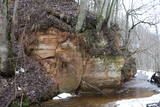 |
It is worth hiking this road where in crosses the Šlītere Blue Hills. This part of the road is approximately one kilometre long, and it goes down to the valley of the stream which crosses the hills. The place has been given a peculiar name – the Kušperlankgrāvis ravine (or the Zeltiņi ravine, as is claimed in other sources). If you're driving, be careful, because there is no bridge here, just a ford. During the early spring or the winter, you will appreciate the ravines and the impressive Blue Hills themselves. Impressive sandstone cliffs which are several metres high and have been vandalised by human hands are on both sides of the road. There is a small niche in one of the cliffs. To the right (East) from the road at the terrace of the Blue Hills is a side road which leads to the Mežlīdumi homestead. Please be gentle with the cliffs! |
|
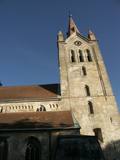 |
The tower of St John’s Lutheran Church in Cēsis, which is one of the oldest stone buildings in Vidzeme, offers a view of the historical centre of Cēsis, and a wide area all the way to Zilaiskalns Hill. There is also the western tower of the ruins of the Cēsis castle, one of the strongest fortresses of the Livonian Order in the Baltic region, and it offers a grand view of the castle’s park.
|
|
 |
The farmstead grows apples, strawberries, black currants, red currants, etc., berries and fruits; there is a big selection of processed goods: natural juices, nectars and syrups. There are offered apple, strawberry, red currant, gooseberry, sea-buckthorn and chokeberry saplings; consultations are given for making out a commercial garden and taking care of it. Excursions around the commercially grown plants. |
|
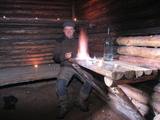 |
Metsavenna Farm organises forest brethren (or brothers) expeditions for visitors to search out forest brothers in their hideouts, visit an underground bunker, hear true stories of life after WWII, have a taste of home-brew and sing old songs along with the master. The more adventurous can stay a night in the bunker, while in winter a sledding hill is opened for snowy downhill rides. |
|
 |
Angla Tuulikumägi (Windmill Hill) is the only site in Saaremaa which has retained its historical mill scenery with four post mills characteristic of the area and one Dutch-type mill. All windmills are open to visitors. |
|
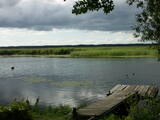 |
This is a large set of coastal meadows, ancient rivers and areas of reeds. It is found at a location where the Daugava River used to flow – between Vecmīlgrāvis and Vecāķi. There are inland dune meadows here, complete with the very rare silver grass. Vecdaugava is an important location for nesting birds and several uncommon plant species. On the southern end of the Vecdaugava peninsula, at a place called Skanstnieki, one can find remnants of medieval Swedish fortifications. The Vecdaugava Regional Research and Fishing Museum is here, as well.
|
|
 |
Jaanioja Farm is located in the heart of Lahemaa National Park. The farmstead features camping grounds, an outdoor kitchen, sauna and smithy. The farm organises creative camps, fairy tale games, celebrations of folk calendar holidays and handicraft workshops for all ages. Rag dolls, quilted and patchwork items and other crafts are on sale. |
|
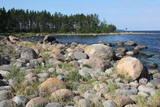 |
This is the first national park in Estonia and the Baltic States. Perfect for a day trip out from Tallinn for a hiking trip and nature watching. It was established in 1971 to protect the area that is along the Bay of Finland – the shoreline, forests, swamps, meadow biotopes, species, natural monuments, rocks, waterfalls, cliffs and cultural monuments such as ancient cemeteries, castle hills, baronial estates, fishing villages, etc. |
|
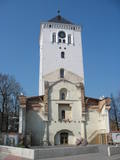 |
The most significant period for the town is the time from 1561 to 1795, when the Jelgava district is a part of the Duchy of Courland and Zemgale. When Jelgava obtains the status of residence of the Duke of (1567t) and becomes the capital of the Duchy (1616) a rapid urban development begins, which is highest of during the reign of Duke Jacob. During the reign of last two Dukes of Courland - Ernst Johann Biron and his son Peter (1775) St. Peter's Academy (Academia Petrina) - the first Latvian Institute is founded, in 1816 is founded Courland Society of Literature and Art, in 1822 the first newspaper in Latvian "The Latvian newspaper" is published, in 1802 the first Latvian theatre building is built, but in 1898- the first building intended for museum. In 1937 Latvian agriculture camera is located in the Jelgava palace, but after two years Jelgava Agriculture Academy is opened. Nearly all the town's historic buildings and art treasures perished in the summer of 1944. After the World War II, Jelgava was rebuilt. Recently the Trinity Church tower has been restored, in which now is located one of the best Latvian interactive museums (very friendly for families with children). |
|
 |
A well-kept farm and garden, rabbits and various poultry - chickens, chicks - can be viewed. |
|
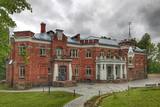 |
The construction of the state began in the early 20th century. The mansion was built of bricks and fieldstones between 1905 and 1911 in the styles of Historicism and Art Nouveau. The estate was owned by engineer and professor Stanislav Kerbedz from St Petersburg, the first Russian engineer to develop principles for the architectonic aspects of bridges. These were used during the latter half of the 19th century, and Kerbedz led the construction of the Nikolayev bridge across the Neva River in St Petersburg. Kerbedz’s wife, Yevgenia, was well known as a lover of art, and she brought various art objects to the estate from Italy. The Lūznava Estate was a popular place for gatherings of artists during the summers. Among those to visit was the distinguished Lithuanian painter and composer Mikalojus Čiurlionis. The estate is surrounded by a 23.7 ha landscape park with a system of ponds. Near the estate is a statue of the Madonna, which was carved by an unknown Italian artist. The statue was damaged and thrown into a pond during World War II, but it was restored in 1991. Reconstruction of the main building of the estate was complete in 2015, and today it is a modern and international centre for environmental education and the arts. |
|
 |
The Strauti farm is on the eastern edge of hillocks in Embūte. The southern edge of the farm neighbours large forests with many wild animals. Alongside is a former fowl farm. The farm breeds rabbits, sheep, fowl, two horses and a pony. It has a herd of cows, including Latvian Blue cows. The farm offers tours for schoolchildren and others. Contact the farm in advance to purchase rabbit meat, wool and vegetables. The farm is biological. |
|
 7 dienas
|
Izbraucot no Rīgas, apskatiet saimniecību, kurā cep pilngraudu kliņģerus, un pēc tam apmeklējiet Bauskas pili un Bauskas alus darītavu. Tālāk dodieties uz etnogrāfisko muzeju "Ausekļu dzirnavās", kur ir iespēja pašiem pagatavot speķa pīrādziņus. Dodoties tālāk, apstājieties kafejnīcā, kurā ir iespējams nobaudīt mājās gatavotu saldējumu. Pēc tam - izbrauciens ar Vikingu laivu un Cesvaines pils apmeklējums. Apciemojiet kazu saimniecību un nodegustējiet kazas sieru. Nākamajā dienā jums ir iespēja pašiem izcept tradicionālo rupjmaizi, pēc tam - dodieties uz Trikātas siera ražotni. Apmeklējiet Valmiermuižas alus darītavu, apburošo Cēsu pilsētu ar tās viduslaiku pilsdrupām un šaurajām ieliņām, kā arī Cēsu alus darītavu. Pēc tam dodieties uz Āraišu vējdzirnavām un izbaudiet tradicionālo dzirnavnieka putru. Pirms atgriežaties Rīgā, apmeklējiet Turaidas pili. |
|
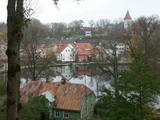 |
Talsi tiek dēvēti par deviņu pakalnu pilsētu. Tās vēsturiskā apbūve ap Baznīckalnu, Talsu un Vilkmuižas ezeriem ir veidojusies g.k. 19. gs. Viena no skaistākajām ir Lielā iela ar mazstāvu (divi – trīs stāvi) apbūvi (divslīpju jumti). Skaistas ainavas paveras no Talsu ezera apkārtnes un Ķēniņkalna. |
|
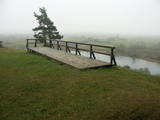 |
Atrodas Dagdas dienvidrietumu daļā, 100 m no Daugavpils ielas. Viens no retajiem Latvijas pilskalniem, uz kura plakuma uzbūvēta skatu platforma. No tās paveras plašāka ainava uz Luboneņa ezeru un tuvāko apkaimi. |
|
 |
Kontiki ir kafejnīca Ādažos, no kuras terases paveras skats uz Vējupes krastiem. Piedāvājumā pasaules virtuves ēdieni un dažādi atspirdzinoši dzērieni. Iespējams izbaudīt arī sportiskas aktivitātes - inventāru un apmācības nodrošina blakus esošais "Burusports". |
|
 |
Kapteiņa A. Bertholda vecāku kapu
vieta ar savdabīgu kapa pieminekli.
|
|
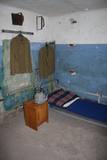 |
Viens no parka neparastākajiem vēstures objektiem, kas apvīts ar daudzām leģendām un noslēpumiem, par kuriem vēl joprojām nelabprāt izsakās ar to saistītie cilvēki. Zināms, ka bāzi laikā no 1960. – 1962. g. ļoti stingrā slepenībā cēla ~ 10 000 kareivji no citām padomju republikām. Pazemes ejas bija būvētas tā, lai pa tām varētu pārvietoties tikai maza auguma cilvēki. Zem zemes atradās 4 šahtas, no kurām varēja palaist vidējā rādiusa ballistiskās raķetes R – 12 U ar kodolgalviņām. Blakus atradās apkalpojošā personāla telpas, elektrības ģenerators, sakaru centrs u.c. Līdz 2010. g. bāzi varēja apskatīt vietējā gida pavadībā. Tagad to rekonstruē un 2012. g. plāno atklāt Aukstā kara muzeju. Bāze atrodas austrumos no Plateļu ezera, liela meža masīva vidū. |
|
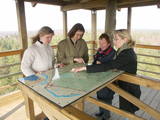 |
Ložmetējkalns Tīreļpurvā ir Valsts nozīmes vēstures piemineklis - vienīgais kultūrvēsturiskais liegums Latvijā (Ziemassvētku kauju piemiņas parks). Vērts uzkāpt tā atjaunotajā skatu tornī, no kura redzams Maztīreļa purvs ar bijušo vācu šaursliežu dzelzceļa līniju, kas to šķērso ziemeļu - dienvidu virzienā (dabā iezīmējas kā lielāku koku rinda purvā). Ložmetējkalna, Tīreļpurva un Mangaļu māju apkārtnē ir saglabājušās Baltijas mērogam unikālas liecības par I pasaules kara fortifikācijas būvēm un šajā vietā notikušajām Ziemassvētku kaujām. Mangaļos var apskatīt kaujām veltītu ekspozīciju, t.s. "Vācu valni" u.c. Pa teritoriju izvadā zinoši gidi. Parkā notiek arī tematiski un izglītojoši pasākumi.
|
|


