
| Nr | Nosaukums | Apraksts |
|---|---|---|
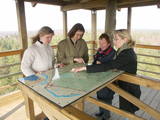 |
Ložmetējkalns Tīreļpurvā ir Valsts nozīmes vēstures piemineklis - vienīgais kultūrvēsturiskais liegums Latvijā (Ziemassvētku kauju piemiņas parks). Vērts uzkāpt tā atjaunotajā skatu tornī, no kura redzams Maztīreļa purvs ar bijušo vācu šaursliežu dzelzceļa līniju, kas to šķērso ziemeļu - dienvidu virzienā (dabā iezīmējas kā lielāku koku rinda purvā). Ložmetējkalna, Tīreļpurva un Mangaļu māju apkārtnē ir saglabājušās Baltijas mērogam unikālas liecības par I pasaules kara fortifikācijas būvēm un šajā vietā notikušajām Ziemassvētku kaujām. Mangaļos var apskatīt kaujām veltītu ekspozīciju, t.s. "Vācu valni" u.c. Pa teritoriju izvadā zinoši gidi. Parkā notiek arī tematiski un izglītojoši pasākumi.
|
|
 |
Lõosilma saimniecība atrodas tikai 10 km no Pärnu, tā nodarbojas ar lauksaimniecības produktu audzēšanu un pārstrādi. Saimniecības virtuvē no izaudzētajiem dārzeņiem tiek gatavoti bagātīgi konservi, no kuriem daudzi ieguvuši nacionālās garšas titulus. Saimniecībā ir kemperu stāvvieta, ko darbina saules enerģija. |
|
 |
Leimaņu ciems ir sācis veidoties 20.gs. sākumā kādreizējā kroga apkārtnē. Vienā no tās vēsturiskajām ēkām atrodas arī amatu māja "Rūķīši". Ēkā ir dažādas tematiskās istabas - aušanas, novadpētniecības, maizes, saimes, senlietu un Ulmaņlaika istaba. Viesiem ir iespēja aplūkot un iemācīties maizes mīcīšanas un tapšanas procesu, izstaigāt Latvju zīmju parku, iepazīties ar Leimaņu pagasta vēsturi un iemēģināt roku aušanas procesā. |
|
 |
Vecākā (16. gs.) no trīs Nemunas pilīm. Atjaunota pēc 2. pasaules kara. Tagad – skola. Parks. Skats no pils torņa. |
|
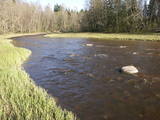 |
Ogres ielejas dabas parks, kas aptver upes vidusteci, veidots neregulētās upes ielejas, tai pieguļošo teritoriju, bioloģiskās daudzveidības un biotopu (piemēram, Latvijā retās parkveida pļavas) aizsardzībai. Ogre ir viena no Latvijas populārākajām pavasara ūdentūrisma upēm, īpaši lejpus Ērgļiem, kur izveidojušās no ūdenstūrisma viedokļa tehniski sarežģītās Bražu krāces. |
|
 |
Mājīgajā restorānā var nogaršot no lietuviešu dabas veltēm gatavotos ēdienus. Šeit var arī apbrīnot seno ēdienu gatavošanas darbarīku un šakoša cepšanas rīku ekspozīciju. Tiem, kas paši vēlas izcept tradicionālo šakoti, piedāvā pieteikt izglītojošo programmu „Šakoša paraugcepšana”. Maiznīca atrodas ~4 km attālumā no Druskininku pilsētas. Piedāvā nakšņošanu, konferenču telpas un kulinārā mantojuma programmas. |
|
 |
Višķi kā apdzīvota vieta izveidojās uz Višķu muižas zemes. 19. gs. tie ieguva miestu statusu. 1921. g. Višķos atklāja lauksaimniecības ziemas skolu, bet 1926. - viengadīgo mājturības skolu. Otrā pasaules kara laikā - 1943. g. nodibināja Višķu dārzkopības un biškopības skolu, bet pēc kara - Višķu dārzkopības (vēlāk - lauksaimniecības) tehnikumu. Ar izglītbu saistītās aktivitātes bija arī iemesls, kādēļ Višķu centrs nelīdzinās “tipiskam” lauku ciematam. Šeit plašā teritorijā ir apskatāmi ainaviski kopti stādījumi, dendroloģiskais parks (no 1936. g.), ābeļdārzi, kas tiek kopti joprojām. Iespējams sarunāt vietējo gidu, kas lieliski pārzina parku. Višķus var izstaigāt arī individuāli. |
|
 10 dienas
|
The tour takes through all three Baltic States – Lithuania, Latvia and Estonia. The route visits the capital cities and some of the most attractive cities and towns in Mid - Baltics. The tour starts in Vilnius, the capital city of Lithuania. Kaunas is the second largest Lithuanian city, standing at the confluence of the Nemunas and Neris Rivers. Riga, the capital city of Latvia, offers a variety of cultural experiences and entertainment. Sigulda is famous for its landscapes and medieval castles. Cēsis is one of the most charming towns in Latvia with many attractions ranging from medieval heritage to nice restaurants, exhibitions and festivals. Valmiera offers art galleries, museums, nature trails and Valmiermuža beer from the famous local brewery. Tartu in Estonia is a university town, with some very popular tourist attractions such as the interactive AHHAA science centre, the largest in Baltic countries. Finish the tour in Tallinn – the capital city of Estonia. Tourist information centres in cities and towns will help you with maps, information on sights, attractions and guided tours, food, shopping and public transport. |
|
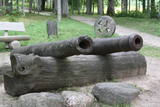 |
Veidots 1900. gadā pie Pērses ietekas Daugavā (tagad – Pļaviņu HES ūdenskrātuvē) un tajā apskatāmi 17. gs. zviedru lielgabali un viduslaiku kapu pieminekļi. Parkā (pie vidusskolas) atrodas atjaunotā strūklaka „Fauna galva”, kas 20. gs. trīsdesmitajos gados atradās netālu no leģendārā Pērses ūdenskrituma (tagad zem ūdens), kura vietu upes krastā iezīmē akmens skulptūra „Pērses meitene” (autors: J. Zihmanis). Celiņš aizved gar tēlnieka Ģ. Burvja veidoto 11 m augsto koka skulptūru „Mūžībai” un koktēlnieku – brāļu Rūrānu veidoto „Pūcīti”. |
|
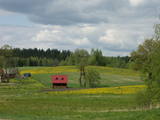 |
Samērā liela teritorija ar mozaīkveida ainavu - mežiem, atklātām ainavām un ezeriem (Salmejs, Kaučers, Stupānu ezers, Limanu ezers u.c.), kas atrodas Latgales augstienes Feimaņu pauguraines rietumdaļā. Aizsargājamo ainavu apvidus veidots šejienes dabas un kultūrainavas (apdzīvotās vietas, Tišas vecticībnieku lūgšanas nams, krucifiksi) un daudzveidīgo biotopu (t.sk. - sugu) aizsardzībai. Apvidū atrodas arī samērā populārs tūrisma objekts - Šnepstu pilskalns.
|
|
 |
"Spēlmaņu krogs" atrodas Alsungas centrā pie Dižgabalkalna. Krogā var nobaudīt sklandraušus un uz vietas ceptu suitu skābmaizi. Vasarās tūristu grupas uz āra kamīna var piedalīties suitu ēdienu (ķiļķēni, žāvētas ribas u.c.) gatavošanas procesā vai mieloties jau pie klātiem galdiem suitiskā garā, kā arī baudīt Suitu sievu (unikālais burdona dziedājums) iespaidīgo priekšnesumu. |
|
 |
Ķemeri (Kemmer) pirmo reizi rakstiskajos avotos ir pieminēti 1561. g. 18. gs. otrajā pusē un 19. gs. sākumā ir labi zināmas Ķemeru sēravotu ūdeņu un purvu dūņu dziednieciskās īpašības, tādēļ uz šejieni ārstēties dodas Kurzemes augstāko aprindu pārstāvji. Viesus uzņem vietējie mežsargi. Šajā laikā notiek pirmās dūņu peldes. Jūrmalas un Ķemeru peldvietu attīstību uz kādu brīdi pārtrauc 1812. g. Tēvijas karš. Divas desmitgades vēlāk - no 1833. līdz 1835. g. Ķemeru labumus izmēģina Baltijas ģenerālgubernators grāfs K. M. Pālens, kurš vēršas pie Krievijas cara Nikolaja I pēc atbalsta kūrorta tālākai attīstībai. Lūgums tiek atbalstīts un 1836. g. cars atvēl 700 ha valsts zemes un piešķir 100 000 rubļu dziedinātavas celtniecībai un ceļa bruģēšanai no Ķemeriem līdz Slokas – Tukuma lielceļam. Divus gadus vēlāk (1938. g.) atklāj pirmo valsts peldu iestādi. Šo arī uzskata par kūrorta dibināšanas gadu. Kūrorta slava izplatās visā Krievijas impērijā un tas kļūst aizvien populārāks. Vairākos posmos tiek uzsākta Ķemeru ainavu parka izveide, kas ir nozīmīga kūrorta sastāvdaļa. 19. gs. vidū un otrajā pusē kūrorta tālāku attīstību sekmē gan tvaikoņu, gan arī 1877. g. atklātā dzelzceļa satiksme no Rīgas līdz Tukumam. 1912. g. atklāj tiešo dzelzceļa līniju Ķemeri – Maskava. Īsi pirms 1. pasaules kara pacientu skaits sasniedz 8300 cilvēkus gadā. 1. pasaules kara frontes līnija Ķemeru purvā turas vairākus gadus un kūrorts tiek pamatīgi izpostīts. Neskatoties uz to, pēc kara notiek strauja tā izaugsme un Ķemeri kļūst par iecienītu Rīgas iedzīvotāju atpūtas vietu un vienu no modernākajām Eiropas dziednīcām. 1924. g. Ķemeros uzceļ jaunu peldiestādi ar dūņu vannām, kas tajā laikā ir viena no modernākajām Eiropā, bet 1936. g. Valsts Prezidents Kārlis Ulmanis atklāj vienu no izcilākajām pirmās neatkarīgās Latvijas laika celtnēm – viesnīcu „Ķemeri". Arī pēc 2. pasaules kara – Padomju laikos kūrorts ievērojami paplašinās un tā apkārtnē izveido gandrīz 10 sanatorijas, kur strādā ~ 100 ārstu. 1971. g. Ķemeriem piešķir Vissavienības nozīmes kūrorta statusu. Laikā no 1975. – 1985. g. Ķemeros top lielākā no sanatorijām – Līva (sākotnēji - Latvija), kurai ir divi vienpadsmit stāvu korpusi. Līvā vienlaikus varēja ārstēties līdz 1200 pacientu, bet gada laikā – pat līdz 140 000 pacientiem. Sanatoriju slēdz 20. gs. deviņdesmito gadu sākumā kā nerentablu. Līdz pat 1994. g. Ķemeros darbojas piecas sanatorijas: „Čaika", „Daugava", „Dzimtene", „Ķemeri" un „Līva" (Latvija) un kūrorta poliklīnika „Ķemeri". Vēlāko laiku var uzskatīt par sava veida Ķemeru kā plaša mēroga ārstniecības kūrorta norietu. |
|
 |
AS „Agrofirma Tērvete” ir lielākais daudznozaru lauksaimniecības uzņēmums Latvijā, kas darbojas 5 nozarēs - augkopība, piena lopkopība, zirgkopība, sabiedriskā ēdināšana, biogāzes ražošana. |
|
 |
Võrumaa pirmā mazā alus darītava ražo gardu alu, kas īpaši iekarojis Dienvidigaunijas iedzīvotāju sirdis. Ik pa laikam gatavojam arī Jevgeni ūdeni. |
|
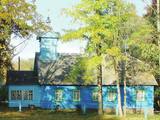 |
Štikānu vecticībnieku draudzes dievnams. 20. gs. 40-jos gados
tika organizēta dievnama celtniecība uz veciem pamatiem. Šo namu
cēla brāļi Uljans un Epifans Rogozini. Štikānu dievnamā atrodas
aizsargājams mākslas priekšmets – Evaņģēlijs.
|
|
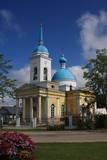 |
Atrodas vecpilsētas centrā, Latgales ielas un Baznīcas ielas krustojumā. Dievnamu cēla laikā no 1843.–1845. g. krievu klasicisma stilā. Nesen atjaunoti tā griestu un sienu gleznojumi. Tornī atrodas 1667 kg smags zvans. Iepriekš piesakoties, baznīcu var apskatīt arī no iekšpuses. |
|
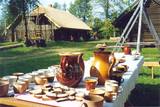 |
Atrodas Jēkabpilī, Daugavas kreisajā krastā, Filozofu ielā 6. Ar šo vietu var uzsākt Sēlijas novada kultūrvēstures padziļinātu izziņu. Muzeja izveide uzsākta 1952. g. un te apskatāma 19. gs. Sēlijas vidēji turīga zemnieka lauku sēta, kurā ir dzīvojamā ēka ar apvalkdūmeni, divas klētis, rija, pirts, vējdzirnavas un kalve, kā arī tvaika lokomobīle un kuļammašīna. Tūristu grupām te piedāvā tematiskus pasākumus: „Amatnieku darbi Sēļu sētā”, „Kad medus kūst uz mēles” un „Precības sēļu sētā”. |
|
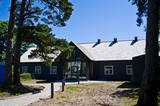 |
Kolkas Lībiešu saieta nams tika atklāts 2019. g. Tajā var iepazīt Ziemeļķurzemes lībiešu kultūru, uzzināt par tradicionālajām nodarbēm, klausīties valodas skanējumu un gūt priekštatu par piekrastes kultūrvēsturisko mantojumu. Saieta namā var organizēt un apmeklēt kultūras pasākumus, seminārus, mācības, izstādes, kā arī saņemt tūrisma informāciju. |
|
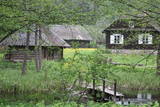 |
Salos, Vaišnoriškė, Strazdai, Šuminai – Augštaitijas nacionālā parka ciemi, kuros saglabājušas vēsturiskas viensētas ar koka ēkām un to plānojumu. Apdzīvoti. |
|
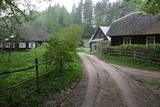 |
Liela meža masīva vidū gleznainās Būkas (Būka) upes krastos starp kokiem ieslēpies teiksmainais Vaišnoriškes ciems. Šis ir viens no skaistākajiem nacionālā parka etnogrāfiskajiem ciemiem. Vaišnoriške kā apdzīvota vieta sākusi veidoties 1756. g., kad šeit sena vēsturiska ceļa malā darbojies krogs. Pirmā viensēta ciematā ir zināma no 1830. g. Šodien redzamā apbūve ir tapusi g.k. 20. gs. sākumā. Ciems ir palicis cilvēku atmiņās ar liepu medu, jo meža velšu vākšana un biškopība bija viena no galvenajām šejieniešu nodarbēm. Tagad ciemā ir piecas sētas. No Vaišnoriškes var uzsākt laivu braucienu pa seklo un dzidro Būku. |
|


