
| Nr | Nosaukums | Apraksts |
|---|---|---|
 |
Atpūtas kompleksā "Vonadziņi" atrodas Ludzas ezera dienvidu krastā netālu no Gulbenes pilsētas. Pēc iepriekšēja pasūtījuma ēdina tūristu grupas, rīko kāzu mielastus, banketus u.c. |
|
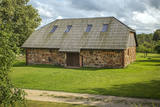 |
Privāta vēstures materiālu kolekcija vienā no 15 senās Dundagas pils muižas pusmuižām - Vecmuižā (ap 2 km no Dundagas centra). Vēstures stāsti Vecmuižas stallī. Bagātīga novada vēstures informācija mājaslapā. |
|
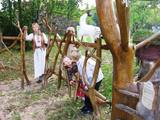 |
Meža večas ģimenes parks izveidojies starp Kaikas kupolveidīgajiem pauguriem, un sastāv no vairākām viensētām, kas piedāvā uzzināt par dabai tuvu, veselīgu dzīvesveidu un tautas medicīnu. Katrai viensētai ir sagatavota sava programma, kur apmeklētāji var iepazīties ar ārstniecības augiem, ārstēšanu ar dēlēm, bišu un sēņu noslēpumaino pasauli, izjust buramvārdu un meditāciju vietu ietekmi uz sevi. Te māca gatavot ēdienus no nezālēm, cept maizi un taisīt garšaugu maisījumus. Ar viensētām var iepazīties arī individuālie apmeklētāji. |
|
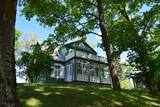 |
A. Baranauska un A. Vienoļa – Žukauska memoriālais muzejs izveidots 1927.gadā. Tajā tiek vāktas, glabātas un popularizētas muzeja vērtības, kas atspoguļo Anīkšču apkaimes kultūras, literatūras, vēstures, agrokultūras, tehniskās vēstures attīstību. Visas sezonas laikā apmeklētāji var pastaigāties pa Rakstnieku kalniņa memoriālo parku. |
|
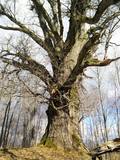 |
Aptuveni 2km garā Ķirbižu meža izziņas taka izveidota apļveidā gar Vitrupes abiem krastiem. Visā takas garumā var mācīties atpazīt Latvijas mežu raksturīgākos kokus, krūmus un augus. Šeit var aplūkot arī Vālodzes dižozolu (6.5 m). Upes labajā krastā, pie tā sauktā vīna pagrabiņa un kreisajā krastā apmēram 200 m no takas sākuma pie Meža muzeja, atklājas ainaviski skati uz ieleju un Vitrupi. |
|
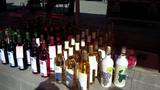 |
No dārza un meža ogām, pārmantojot paaudžu tradīcijas, gatavo mājas vīnu. Piedāvā 4 vīnu degustāciju ar uzkodām un filozofiskas sarunas par vīna gatavošanas receptēm. Produkcijas iegāde. |
|
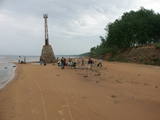 |
Viens no izteiktākajiem Rīgas jūras līča Vidzemes krasta
zemesragiem. Ķurmraga apkārtnē jūrā viļņu un ledus torosēšanās
rezultātā ir izveidojušies plaši laukakmeņu krāvumi un no smilšakmens
iežiem sastāvoši stāvkrasti. Ķurmraga vecās bākas paliekas – uz jūras
pusi sagāzies navigācijas vaduguns korpuss, kas vēl pirms aptuveni
piecpadsmit gadiem atradās stāvkrasta augšdaļā.
|
|
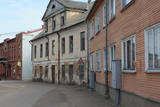 |
Aizputes pilsdrupas, akmens tilts pār Tebru, Jaunā pilsmuiža, ūdensdzirnavas un Sv. Jāņa luterāņu baznīca, kā arī 19. gs. beigās celtās koka ēkas starp Jāņa, Katoļu un Atmodas ielu veido neparastu pilsētbūvniecības kompleksu, kam piešķirts kultūras pieminekļa statuss. Staigājot pa vēsturisko centru, uzmanība jāpievērš ēku durvīm un to vērtnēm, logu ailēm, balkonu margām u.c. elementiem. |
|
 |
Udmurdu un citu somugru nacionālo ēdienu meistarklašu rīkošana, citu tautu kultūras apgūšana caur ēdienu. |
|
 |
Biškopības produktu ražošana - medus, ziedputekšņi, bišu maize, propoliss, bišu māšu peru pieniņš. Bišu māšu selekcija, bišu saimes. |
|
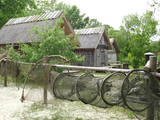 |
Ļoti interesants zvejniecības vēstures piemineklis. Sedumi ir kādreizējās zvejas laivu piestātnes, kurās zvejnieki cēla tīklu būdas un glabāja savu inventāru. Sedumiem bija arī sociāla loma – tajos pulcējās vīri, sprieda par turpmākajiem darbiem, bet sievas un bērni taroja tīklus (lasīja zivis ārā no tīkla, kad tas pilns ar lomu). Bigauņciema sedumu tīklu būdas laika gaitā ir ieskalotas jūrā, bet Ragaciema sedumi – daļēji gājuši bojā. Lapmežciemā esošie ir vislabāk saglabājušies. Viena no tīklu būdām ir atjaunota, bet pārējās atrodas ļoti sliktā stāvoklī. Tas varbūt ir arī iemesls, kādēļ, ejot gar jūras krastu, tām ir jāpievērš uzmanība un jāuztaisa kāda „vēsturiska" foto. |
|
 |
Zemnieku saimniecība „Vilciņi-1” atrodas Jelgavas rajona Zaļenieku pagastā, tā dibināta 1992. gadā uz 74 ha mantojumā atgūtās zemes. Šobrīd tiek apstrādāti (specializācija – graudkopība) ~ 2200 ha zemes. Saimniecībā strādā ar precīzās lauksaimniecības metodēm, kas palīdz ekonomēt līdzekļus, samazināt lauksaimniecības negatīvo ietekmi un veicināt vides maksimālu saudzēšanu. Papildus tiek sniegti tehnikas un transporta pakalpojumi. Z/s „Vilciņi1” ir kooperatīvās sabiedrības „LATRAPS” un Zemnieku Saeima biedrs. Saimniecība sadarbojas ar Latvijas Lauksaimniecības universitāti, Zaļenieku komerciālo un amatniecības vidusskolu un Latvijas Jauno zemnieku klubu, organizē seminārus un konferences - izglīto studējošos jauniešus, lauksaimniekus un citus interesentus, kā arī pieņem darbā studentus, kuri ir gatavi studijās iegūtās teorētiskās zināšanas pielietot praktiskajā darbā. Līdzdarbojas SIA AgTech un SIA Agitis – atpūtas komplekss Rožmalas. |
|
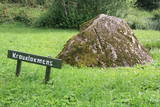 |
Rīgas – Daugavpils šosejas (A 6) malā (vietā, kur no Zemkopības institūta nogriežas ceļš uz Skrīveriem) redzama zema ieplaka ar Kraukļu akmeni, kas ir sena kulta vieta. Pie akmens veikti arheoloģiskie izrakumi, kuru laikā atrastas senlietas. Vecākā ir no 12. gadsimta. Akmens aprakstīts slavenajā Andreja Upīša (1877. – 1970.) darbā „Sūnu ciema zēni”. |
|
 |
Vidzemes skaistākās upes ieteka. Piekrastes posmā starp Gaujas un Daugavas ietekām atrodas viens no lielākajiem Latvijas kāpu kompleksiem ar izteiktām paraboliskām kāpām, kas apaugušas ar mežu (mežainas jūrmalas kāpas). Šī iemesla dēļ šī ir populāra Rīgas un Saulkrastu apkaimes atpūtas (rekreatīvā nozīme) teritorija. Atrodas Piejūras dabas parkā. |
|
 |
Atrodas 200 m ziemeļaustrumos no akmens tilta pār Tebru. Ūdensdzirnavu komplekss celts 18. gs. beigās – 19. gs. sākumā uz Tebras upītes, uzpludinot Dzirnavdīķi. Blakus dzirnavām atrodas 19. gs. beigās celtā Aizputes muižas alusdarītava, apvienojot divas vecākas Pilsmuižas saimniecības ēkas. |
|
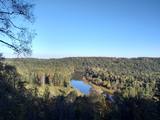 |
Gaujas kreisajā krastā iepretim Piķenes kraujai slejas varenā Beites krauja, kuru pāršķeļ dziļa strauta grava. Tās rietumu pusē meklējams Ķeizarskats, kas atrodas ~ 67 m virs Gaujas līmeņa ar labu skatu perspektīvu uz Krimuldu un Turaidas pili. Šeit skatu vieta bija iekārtota jau 1862. g. kad Siguldā viesojies Krievijas cars Aleksandrs II. Lai tur nokļūtu, ir jāpārvar pieminētā grava (koka kāpnes un meža takas), vai arī jāapiet tai apkārt pa Laurenču, Kalna un Gulbju ielām. |
|
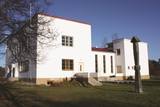 |
Mazirbes centrā – baltais Lībiešu tautas nams, uzcelts 1939.g. «ar savas tēvzemes Latvijas un ar radu tautu - somu, igauņu un ungāru palīdzību». Līvu savienība namu atguva savā īpašumā 2000. gadā. Tas ir valsts nozīmes arhitektūras piemineklis. Katru gadu augusta pirmajā sestdienā kopā ar radu tautu pārstāvjiem te tiek svinēti vērienīgi Lībiešu svētki. Vasaras laikā te darbojas kafejnīca. |
|
 |
Lustužkalns – augstajā paugurā (72
m) 16. gs. atradusies Livonijas ordeņa
mestra Valtera von Pletenberga medību
pils. Krievijas ķeizarienes Katrīnas laikā
uzcelta izpriecu pils, no kuras cēlusies
teika par Valguma ezerā nogremdēto
zelta karieti.
|
|
 |
Strenču novada Jērcēnu pagasta zemnieku saimniecība “Veckūkuri” ir iekļauta Latvijas ražīgāko ganāmpulku topā. "Veckūri" ir piena pārstrāde, kas ražo netradicionālus piena produktus no savā saimniecībā iegūtā piena. Saimniecība ierindota arī to uzņēmumu vidū, kam piešķirti valsts eksporta padomes apbalvojumi “Latvijas Eksportprece 2015”. |
|
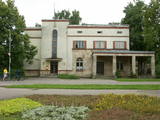 |
Celta pirmās Latvijas brīvvalsts laikā. Meklējama Tukuma ielā 30. Laikā no 1940. gada pastā darbojās automātiskā telefonu centrāle. Pasts vairs nestrādā un ēka apskatāma no ārpuses. |
|


