
| Nr | Nosaukums | Apraksts |
|---|---|---|
 |
Bioloģiski sertificēta zemnieku saimniecība. Ražo zaļumus, dārzeņus, mikrozaļumus, dārzeņus un ogu pulveri (gārsa, balanda, pienenes, nātres, virza). Audzē visu cauru gadu. Piedāvā produktu piegādi Rīgā, Valmierā, Cēsīs un Siguldā. |
|
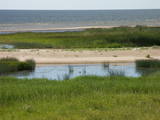 |
Pēc 2005. g. orkāna atjaunotajā Randu pļavu dabas takā (ap 4 km gara) ir uzcelts un 2015. gadā atjaunots putnu vērošanas tornis, no kura pārskatāmas unikālās piekrastes pļavas ar nelielām lagūnām un niedrājiem. Piemērota vieta migrējošo putnu vērošanai. Atrodas Ziemeļvidzemes biosfēras rezervātā. |
|
 |
Saimniecība atrodas tradicionālajā zvejnieku ciematā, un šeit ir cieņā vietējie ēdieni un rokdarbi. Viesiem tiek piedāvāts degustēt pašgatavotos produktus, kā arī šeit rīko ēdiena gatavošanas un amatniecības meistarklases un iepazīstina ar lauku dzīvi. |
|
 |
Piedāvā makšķerēšanu piemājas piecos zivju dīķos un zivju žāvēšanu. Saimnieks gatavo karsti kūpinātas foreles, žāvētas karpas un uz ugunskura vāra zivju zupu. Vistu olu iegāde. |
|
 |
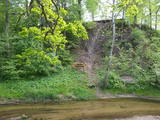
Ap 400m garš un līdz 16m augusts atsegums upes kreisajā krastā.
|
|
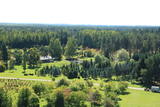 |
Atrodas ainaviski skaistā vietā - Vidzemes augstienē. Kopējā platība 140 ha. Te var iepazīt interesantu skujkoku, liānu, ceriņu, rododendru un peoniju kolekciju. Darbojas moderns apmeklētāju informācijas centrs. Unikāli eksemplāri: Tulpju koks (Liriodendron tulipifera), Virdžīnijas sniegpārslu koks (Chionanthus virginicus), kobus magnolija (Magnolia kobus). Piedāvā dendrologu konsultācijas par koku un krūmu audzēšanu. Teritorijā atrodas 25 m augsts koka skatu tornis. |
|
 |
„Saulės vartų Romuva” saimnieki nodarbojas ar dabas pārvērtībām raksturīgajiem rituāliem. Tāpat tiek lasītas lekcijas par seno baltu ticību. Tiek organizēti ģimenes un kalendārie svētki – laulības, vecmeitu ballītes, svētīšana, ziemas vidus, Meteņi. Saimniecībā rīko arī pagānu svētkus. Izglītojošās programmas paredzētas pieaugušajiem. |
|
 |
Kalifornijas sarkano slieku audzēšana un biohumusa ražošana. Piedāvā nelielu ekskursiju ražotnē, informāciju par slieku audzēšanu un biohumusa ražošanu. |
|
 |
Pludmales bārs "Koklītes" atrodas Saulkrastu novada Zvejniekciemā pašā jūras krastā, 4 km attālumā no Saulkrastu centra. Plašs skats uz pludmali. Tiek rīkoti dažādi ūdenssporta un izklaides pasākumi. Latviešu virtuve: Aukstā zupa, cepta mencas fileja, kotletes mājas gaumē, cūkgaļas cepetis, pankūkas ar biezpienu, karamelizētas auzu pārslas. |
|
 |
"Pie Jāņa" ir viena no senākajām kafejnīcām ceļā no Rīgas uz Ventspili, tā atrodas Pūrē, A10 šosejas malā. Šeit pasniedz uz vietas pēc pasūtījuma gatavotus ēdienus. Vasarās iespējams baudīt ēdienus uz āra terases. |
|
 |
No Vilces muižas pa pastaigu taku var aiziet līdz pilskalnam (12 m virs apkārtnes, labiekārtots), kas atrodas Vilces un Rukūzes upīšu satekā. Atradumi liecina, ka cilvēku apmetne šeit ir pastāvējusi jau vidējā dzelzs laikmetā. Pilskalna piekājē atrodas atpūtai labiekārtotā Zaķu pļava. Nostāsti vēsta, ka Vilces grava bijusi laupītāja Kaupēna slēpšanās vieta. |
|
 |
Atrodas Īvandes dienviddaļā, Vankas upītes krastos. Ūdensdzirnavas celtas 1842. gadā (par to liecina arī sienā iemūrēts dzirnakmens) un darbojas joprojām. To iekārtas ir saglabājušās no 1930. gada. Divstāvu ēka apskatāma no ārpuses, bet iepriekš piesakoties, - arī no iekšpuses. |
|
 |
Apdzīvota vieta ~ 1 km dienvidos no Daugavpils – Krāslavas (A 6) ceļa, kas pazīstama ar savu neparasto nosaukumu. Interesanti, ka vietvārds saistīts arī ar iedzīvotāju uzvārdiem, ko var redzēt tāda paša nosaukuma kapos. Ciema apkaimē pazīstams ir Lielo Muļķu svētavots, kuru gan nezinātājam ir grūti atrast, tādēļ ieteicams izmantot vietējā gida pakalpojumus, apvienojot šīs vietas izziņu ar biškopības saimniecības „Cīruļi” apskati. |
|
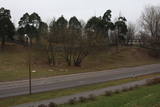 |
Vieta, kur pēc pieejamās informācijas atradās militāriem mērķiem domātu aviācijas motoru izmēģinājumu laboratorija. Mūsdienās par to nekas vairs neliecina, jo tā ir industriāla un nepieejama teritorija.
|
|
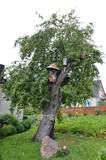 |
Senākā Lietuvas ābele – augļkoks, kas ir botāniskais mantojuma objekts. Koka šķirne – mežābele. Tā ir vienīgā apsargājamā ābele Lietuvā. |
|
|
|
Bērzes upes labajā krastā, vietā, kur tagad paceļas Dobeles pilsdrupas, jau 1. gadu tūkstotī p. m. ē. atradās zemgaļu apmetne un vēlāk – koka pils. Gandrīz simts gadus pils izturēja vairākus krustnešu uzbrukumus un aplenkumus, un tikai 1289. g., kad vācieši bija pilnībā izpostījuši apvidu un tālāka pretošanās kļuva bezcerīga, zemgaļi paši nodedzināja savu koka pili un neuzvarēti aizgāja uz Lietuvu. 700 gadus vēlāk, 1989. gadā, godinot zemgaļu cilšu piemiņu, bijušās senpilsētas vietā tika atklāta piemiņas zīme, ko veidojis mākslinieks Mārtiņš Zaurs. Akmenī iecirsts teksts: “Zini, no šīs vietas pirms 700 gadiem zemgaļi aizgāja lepni un brīvi”, kā arī dzejnieka Viļa Plūdoņa vārdi : “Mēs svešā malā ejam, bet sirds mums paliek te”. |
|
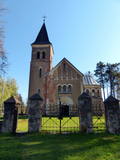 |
Gārsenes evanģēliski luteriskā baznīca – baznīcu barons fon Budbergs bija iecerējis kā veltījumu savai mirušajai sievai, anglietei Ģertrūdei Vorsai. Tā celta ap 1905. gadu pēc arhitekta K.fon Engelharta projekta, bet būvdarbus vadīja arhitekts Eduards Kupfers (1873.-1919). Kokmateriāli vesti no tuvējā meža. Jauncelto baznīcu iesvētīja 1906. gada 1. oktobrī. Kopš 1922. gada baznīca pieder Gārsenes ev.lut. draudzei, tās balkonā atrodas Valkera firmas ērģeles, kas būvētas 1906. gadā Ludvigsburgā. Šīfera jumtu baznīcai uzlika 1976.-1979. gadā. 1988. gadā Restaurācijas pārvaldes jumiķi uzlika tornim kapara skārda jumtu. Torņa smailes lodē ielika kapsulu ar vēstījumu par Gārsenes vēsturi. 1991. gadā altāra daļā nokrāsoja griestus un sienas, restaurēja velves uzrakstu: “Nāciet pie manis visi, kas esat bēdīgi un grūtsirdīgi, es jūs gribu iepriecināt”. Blakus baznīcai tika uzbūvēta barona Budberga dzimtas kapliča, kura saglabājusies līdz mūsdienām un ir vietējās nozīmes Kultūrvēsturisks piemineklis.
|
|
 |
„Ilzenberga muiža” – pirmā un Baltijā lielākā saimniecība muižā. Saimniecībā, kurā darbs noris harmonijā ar dabu, var redzēt un iegādāties dažādu veidu maizi no dabīgā ierauga, mājputnus un to olas, ekoloģiskās ganībās izaudzēto liellopu gaļu, pienu un to produktus, dīķos audzētās zivis, tradicionāli audzētās dārza veltes, dažādus dārzeņus, ekoloģiskajā muižas apkārtnē iegūto bišu medu, kā arī dažādus žāvētus, skābētus un kūpinātus produktus. |
|
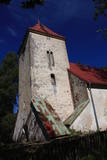 |
Iespaidīgais un monumentālais dievnams uzcelts 1816. gadā. No baznīcas nozīmīgākajām interjera detaļām ir saglabājušās ērģeles, altārglezna, lustra un kroņlukturis. Jāpiebilst, ka baznīca savā pastāvēšanas laikā nav pārtraukusi savu darbību. |
|
 |
Restorāns - bārs "Tami Tami" atrodas Jelgavas pilsētas centrā blakus mūzikas klubam "Jelgavas Krekli". Pazīstams ar interesanto interjeru un organizētajiem muzikāliem u.c. pasākumiem. Latviešu virtuve: Zemnieku omlete, cūkgaļas sacepums ar gailenēm un baravikām, grūbu risoto, zemeņu zupa ar saldējumu, plānās pankūkas. Īpašais ēdiens: „Šarlotes skūpsts” – olu – biezpiena krēma un sulu želejas kārtojums. |
|


