
| Nr | Nosaukums | Apraksts |
|---|---|---|
 |
Atrodas skaistā vietā, Pilsētas ezera krastā. Saimniecībā audzē aitas, kazas, trušus un mājputnus. Piedāvā ekskursiju, bērniem trušu barošanu un jēru apskati pavasarī. Interesenti var piedalīties aitas cirpšanā. |
|
 |
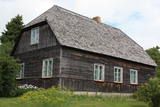
Puderovas vecticībnieku kopienas lūgšanu nams. Vietējās nozīmes arhitektūras piemineklis,
celts 20. gs sākumā.
|
|
 |
1973. g. dibinātais muzejs no 1989. g. atrodas Kalna Ziedu viensētas vietā. Ēka, kurā atrodas patstāvīgā ekspozīcija celta 1989. g. uz dzīvojamās ēkas pamatiem, bet krātuves ēka (1994. g.) uz kūts pamatiem. Izstāžu nams (2000. g.) tapis klēts vietā. Tādējādi no bijušās viensētas ēkām ir saglabājies tikai pagrabs, taču ēku izvietojums atbilst tipiskam Vidzemes sētas plānojumam. Muzeja krājums veltīts novada vēsturei no akmens laikmeta. Tā brīvdabas ekspozīcijā apskatāmi bišu stropi ar piederības zīmēm un Latvijā reti sastopamie riņķa krusti, kas ir viduslaiku kapu pieminekļi. 0,1 km uz ziemeļaustrumiem no muzeja atrodas Kalna Ziedu pilskalns. Kalna Ziedu Upurozola stumbrs (cilvēku un dabas stihiju postīts) 2013. gadā no Pļaviņu HES ūdenskrātuves malas pārvietots uz muzeja pagalmu, lai saglabātu to kā vēstures pieminekli nākamajām paaudzēm. |
|
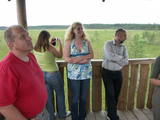 |
Tornis meklējams aiz Oleru muižas nelielajā Oleru purvā, kur dabas takas laipas galā var nedaudz pakāpties un iepazīt pārejas tipa purva ainavu. Atrodas Ziemeļvidzemes biosfēras rezervātā. |
|
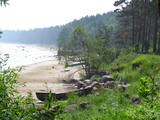 |
Rojā var apmeklēt smilšaino pludmali ar labiekārtotu infrastruktūru un Rojas akmeņaino jūrmalu. Akmeņainajā jūrmalā atrodas Rojas jūras dižakmens – aptuveni 2 m augsts un 12,5 m apkārtmērā. Jūras krastam piemīt savdabīga burvība ar izkaisītajiem akmeņiem un nesteidzīgo laika ritumu. Pie Silupītes iztekas jūrā vēl tagad var redzēt senas liellaivas koka un tā laika dzelzs naglu atliekas. Sākot no 1939. g. Roja bija “sākuma” punkts tā saucamajai “slēgtajai zonai”, kur līdz pat 1993. g. atradās Padomju armijas un flotes dislokācijas zona. Kāpās pie Krasta ielas iespējams vēl apskatīt padomju laika mantojumu. Te atrodas liels betona cilnis, no kura savulaik robežsargi novēroja jūru un ķēra robežpārkāpejus. Aiz kāpām atradās robežsargu poligons ar visu tam nepieciešamo. Rojā atradās gan robežsargu postenis, gan arī pretgaisa aizsardzības radiolokators. (Avots: Rojas TIC) |
|
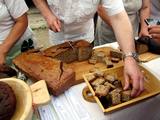 |
"Cēsu maize" atrodas pašā Cēsu sirdī, Rīgas ielā 18. Gatavo maizi no Latvijā bioloģiski audzētiem graudiem un ar dabīgo ieraugu. Piedāvājumā ir tādi produkti kā: Plēkšņu kviešu (spelta) pilngraudu maize, Kviešu pilngraudu maize ar saulē kaltētiem tomātiem un olīvām, Kailgraudu miežu "IRBE" rupjo miltu maize un Plēkšņu kviešu (spelta) saldā maize. Apmeklētājiem ir iespēja piedalīties maizes degustācijā, iegūt vērtīgu informāciju par tās cepšanu, graudaugiem, vēsturi, ieraugu, u.c. |
|
 |
Muzejā var noklausīties stāstu par šokolādes vēsturi, iepazīt procesu no iegūšanas līdz gatavai produkcijai, kā arī radošajā darbnīcā pašiem sagatavot un nodegustēt šokolādi. Rada bagātīgas, dabīgām izejvielām dekorētas Beļģu šokolādes trifeles. Blakus esošajā veikaliņā var nopirkt gatavo produkciju. |
|
 |
Micānu - Kirkas kalns. Mazā pils Priežukalnā (Kirkas kalnā) 1792. gadā
tika pārveidota par luterāņu baznīcu. Tādēļ šo kalnu arī šodien sauc
par Kirkas kalnu (tulkojumā no vācu valodas – Baznīcas kalns). Vecie
ļaudis ir stāstījuši, ka zem baznīcas esot izbūvēts liels pagrabs, kurā
glabājušās baznīcas un Manteifeļu dzimtas dārglietas, kā arī pagrabā
atrodas Manteifeļu dzimtas kapenes.
|
|
 |
Amatnieki piedāvā ekskursiju, keramikas tapšanas procesa vērošanu un iespēju pašiem darināt savus suvenīrus, izmantojot veidošanas, virpošanas un gravēšanas tehniku uz iepriekš sagatavotām veidnēm. Keramikas izstrādājumu pasūtīšana un iegāde. Vietu iecienījuši bērni un kāzinieki. |
|
 7 dienas
|
Mushrooming is one of the most popular autumn activities in Latvia. The tour is lead by a professional mycologist and combines the mysterious world of funghi with local historic heritage and mushroom preparation traditions. Mushrooming starts at one the most popular mushroom pickers' sites in the suburbs of Riga. Then it's on to try various locations in the mushrooming paradise of the Gauja National Park, walk nature trail along the Amata river and have a picnic at picturesque outcrop Zvārtes Rock. Further on, the route reaches charming Ungurmuiža Manor park with its ancient oak trees and some specific fungal species. Next the tour visits a shiitake mushroom grower and mysterious Zilaiskalns hill featuring a highland landscape as well as the flatlands of Lake Burtnieks. Zīle Forest is a rare European biotope with ancient oak forest and park type meadows while the natural coniferous forest at Mežole is one of the richest interms of biological diversity. Here you can find mushrooms which are indicators of natural forest. You also visit oyster mushroom growers along the route. Then it's Āraiši reconstructed Bronze Age settlement built on a lake where there are good examples of how mushrooms can damage and destroy man made objects. At one of the guest houses the chef will demonstrate how to cook your collected mushrooms the local way. |
|
 |
Lietuvas augļkopības un dārzkopības institūts 1992. gadā ieguva valsts zinātniskā institūta statusu. Tas pilda ne vien zinātniecisku, bet arī eksperimentālās ražošanas darbību. Šajā institūtā audzē lietuviešu augļus un dārzeņus, no tiem ražo augstākās kvalitātes, veselīgus un dabiskus produktus. |
|
 |
Meklējama Grobiņā, Lielā ielā 84, kur atrodas t.s. Doktorāts – ēka, kur pagājusi rakstnieces Zentas Mauriņas bērnība, kad viņas vecāki šeit pārcēlušies no Lejasciema. Doktorātā ciemojušies daudzi tā laika pazīstami latviešu kultūras darbinieki, kas atstājuši lielu iespaidu uz topošo rakstnieci. 1997. g. ēkā izveidota piemiņas istaba, kur rakstniece dzīvojusi laikā no 1898. - 1921. gadam. Apmeklētāji var aplūkot dažādus eksponātus un noskatīties Z. Mauriņas simtgadei veltītu filmu. |
|
 10 dienas
|
From Vilnius the route goes to picturesque Trakai Castle surrounded by lake from which it continues to Dzūkija National Park. The park introduces with traditional Lithuanian way of living, closeness with forest as well as valuable natural resources. Information centre and centre of etnoculture is located at Marcinkonys but Čepkelių raistas provides atmospheric vast bog landscape. Pleasant forest trails and quite roads are pleasant for cycling. Druskininkai is a historic spa resort with charming old town, many spa hotels, walking trails and entertainment facilities. There is the Grutos Park where monuments from Soviet area is collected in order to demonstrate the former oppressive ideology. From there the road heads to lively Kaunas which sits between two rivers -Nemunas and Neris. |
|
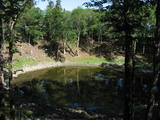 |
Deviņu krāteru grupa. Tās galvenais krāteris (līdz 100 m diametrā un 16 m dziļumā) ir vizuāli izteiksmīgākais Baltijas meteorīta krāteris un viens no izcilākajiem šāda tipa veidojumiem Eiropā. To izcelsmi apstiprina atrastās dzelzi un niķeli saturošās meteorīta atliekas (2,5 kg). Pēc veiktajiem aprēķiniem, šī Baltijas mēroga dabas katastrofa varējusi notikt pirms ~ 2600 – 4000 gadiem. Krāteru lauka teritorijā atrodas Kāli apmeklētāju centrs ar nelielu muzeju, konferenču zāli un viesnīcu.Muzejā var apskatīt īstas meteorīta atlūzas. Ieturēties var blakus esošajā vēsturiskajā Kāli krogā. |
|
|
13 dienas
|
This tour can be done with your own or rented car and it includes driving, some hiking parts and transfers with the public transport. This grand Forest Trail and Baltic Coastal Hiking Route tour includes some of the best and most beautiful parts of the Forest Trail and Baltic Coastal Hiking Route in Lithuania and the southern part of Latvia. Hikes are combined with trips and excursions in cities, as well as other popular tourist sights in both countries. You will get a detailed impression about the forest diversity, coastal landscape and most popular national and regional nature parks in Latvia and Lithuania.
At the end of the tour you will go for a 1 day hike in Kurtuvėnai Regional Park which is one of the most forested areas in Central Lithuania with very pronounced glacier-shaped terrain forms spread in the Eastern Žemaitija Upland. |
|
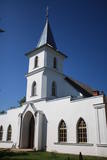 |
Atrodas ziemeļos no Vienības laukuma. Pirmo mūra baznīcu Ilūkstē uzcēla par grāfu Plāteru – Zībergu dzimtas līdzekļiem 1754. - 1769. g., bet tagadējo - 1816. g. 1861. g. dievnams pārgāja pareizticīgo, bet 1920. g. atgriezās katoļu draudzes rīcībā. Baznīcu atjaunoja 1921. g. Dievkalpojumu laikā tā apskatāma no iekšpuses. |
|
|
|
Amatnieku biedrībā apvienojušies 65 Rūjienas un tās apkārtnes amatnieki. Piedāvā maizes cepšanu, ievārījuma vārīšanu, siera siešanas, rotu taisīšanu, ādas izstrādājumu, tamborēšanas un kulinārijas meistarklases. Piedāvā arī ,,Ražots Rūjienā" degustācijas (maize, kūpinājumi, kulinārijas izstrādājumi, ievārījumi, svaigas sulas, ķirbju produkcija, sezonas ogas un augļi, katrā sezonā citi ēdieni) un iepirkšanos. |
|
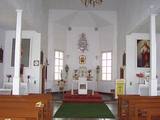 |
Strūžānu Vissvētās Trīsvienības draudzes katoļu baznīca
atjaunota un iesvētīta 1958. gadā. Tā kā padomju varas gados neļāva
būvēt torņus, ēka atšķiras no pārējām baznīcām ar beztorņu arhitektūru.
|
|
 |
Latviskais pirts rituāls ozola ieskautā lauku pirtiņā. Pirts procedūrās tiek izmantoti dabīgi un pašgatavoti materiāli (augu un zaru slotiņas, skrubīši, lāvas paklājiņi, tējas u.tml.), skaņu instrumenti (sajūtu bunga, zvanga, lietus koki, zvaniņi u.c.), klūgu slotiņas, latviešu tautas dziesmas, labi un stipri vārdi. |
|
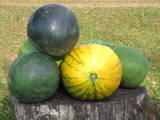 |
Arbūzu audzēšanu saimnieki uzsāka 1997. g., izmantojot šķirnes, kas piemērotas Latvijas klimatiskajiem apstākļiem. Saimniecības „odziņa” ir arbūzi ar dzelteno mīkstumu. Lielākais izaudzētais arbūzs svēris 11 kg. Sezonas laikā – arbūzu iegāde un saimnieka padomi. |
|


