
| Nr | Nosaukums | Apraksts |
|---|---|---|
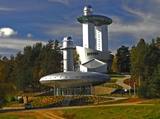 |
Vienīgais šāds muzejs Baltijas valstīs. Tā mērķis – parādīt cilvēka (un lietuviešu tautas) saikni ar kosmosu. Izglītojošas programmas, mitoloģiskie akmeņi. |
|
 |
Daugavas ielejas dabas parks ir vienīgā vieta, kur starp Daugavas HES ūdenskrātuvju kaskādēm vēl salīdzinoši īsā upes posmā saglabājusies Daugavas ieleja un tās sānu pieteku gravas tādas, kādas tās apmēram izskatījās pirms teritorijas appludināšanas. Īpaši skaisti skati paveras no Daugavas labā pamatkrasta nogāzes pie Aizkraukles baznīcas un pilskalna. Nogāžu meži, pļavas, avotu izplūdes vietas un nelielie dolomīta atsegumi ir aizsargājami biotopi. Aizkraukles pilskalnā izveidota atpūtas vieta. Netālu no tā apskatāmas arī Aizkraukles pilsdrupas. |
|
 |
Igaunijas vecākais un lielākais dzērienu ražotājs, alus darītava A. Le Coq, alus darītavas muzeja apmeklētājus aicina iepazīt alus gatavošanas vēsturi un alus kultūru, mūsdienu alus ražošanu, kā arī to nobaudīt. Aplūkojami vairāk nekā 2000 eksponāti, un muzeja krogā var degustēt gan alu, gan citas labas lietas. Alu un ar to saderīgās uzkodas, kā arī suvenīrus var iegādāties mazajā muzeja veikaliņā. |
|
 |
Vecajā baznīcas skolā ierīkotajā Limandas ēdnīcā var nobaudīt garšīgus ēdienus. Gardo ēdienu gatavošanā ir izmantoti dabīgi un apkārtnes tīrumos audzēti dārzeņi. Zivju ēdieni ir gatavoti no vietējo zvejnieku piegādātajām zivīm. Blakus ēdnīcai atrodas rokdarbu veikals. |
|
 5 dienas
|
Pa senajiem tirdzniecības ceļiem ieplūda ne tikai preces, bet arī zināšanas un kultūra. Gaismas ceļš saistās ar mācītāju Ernstu Gliku, literātu, bībeles tulkotāju un latviešu bērnu skolu dibinātāju, hernhūtiešiem, Kārli Skalbi, brāļiem Kaudzītēm, Jāni Poruku, Antonu Austriņu un viņu garīgo mantojumu. Vidzemē cep gardu rudzu, miežu, kviešu, arī speltas kviešu un griķu maizi. Mīklai pievieno dažādu sēklu maisījumu, ķimenes, riekstus, arī žāvētus augļus un kaņepju sēklas. No kaņepēm gatavo tradicionālo staku, eļļu, pikas kopā ar pelēkajiem zirņiem, tās pievieno gotiņu konfektēs un pat šokolādē. Kviešu miltus senāk lietoja tikai svētkos, dažviet piedāvā mācīties no tiem cept ūdenskliņģerus ar sāli un ķimenēm. Graudu ceļam var izsekot zemnieku saimniecībās un atjaunotās vējdzirnavās. Bez tradicionālā Jāņu siera nogaršojiet Zaļo sieru un gardos kazas sierus. Vietējais lepnums ir Burtnieku ezera zandarts, tepat augušās foreles, sami un stores, sezonā dažviet vēži. Iecienīti ir vietējo mājlopu vai mājputnu ēdieni, arī no truša gaļas. Muižu virtuves piedāvā medījumus un fazānu ar meža veltēm un savvaļas garšaugiem. Vidzemē var sastapt Ķiploku karalienes un saimnieci, kas gatavo augu pulverus. Nobaudiet arī pīrāgus, plātsmaizes, medus kūkas, saldēdienus no putota biezpiena, pīlādžiem, cidonijām, āboliem, salda krējuma un rudzu maizes, melleņu vai ābolu klimpas. Slāpes veldzēs zāļu tējas ar medu, bērzu sulas, ogu limonādes vai stiprāki dzērieni – gards alus un vīns. |
|
 |
Atpūtas vieta "Buki" atrodas Ventspils novadā, Baltijas jūras piekrastes aizsargjoslā. "Buki" ir klusa vieta atpūtai, kur iespējams baudīt Latvijas lauku mieru. Piedāvā atpūtu ģimenēm ar bērniem, draugu kompānijām vai vienkārši dabu mīlošiem cilvēkiem. Atpūtas vietas teritorija ir labiekārtota un tajā ir iespējama makšķerēšana piemājas dīķī, sporta aktivitāte kā volejbols, kā arī teritorijā ir atrakcijas bērniem - batuts un šūpoles. Nakšņošanas iespējas 6 veidu kotedžās, 3 veidu numuros viesu namā un 2 brīvdienu dzīvokļos, kā arī teltīs un treilerī. "Buki" piedāvā vietas svinībām gan lapenēs, gan svinību teltī (līdz 100 personām), arī divas pirtiņas. Atpūtas vietas teritorijā ir mini ZOO, kurā iespējams ne tikai dzīvē ieraudzīt dažādu sugu un dzimtu pārstāvjus, bet arī tos apčubināt un pabarot. Mini ZOO var sadzirdēt pērļu vistas, dziedošu ēzeli Janci, redzēt krāšņo pāva asti, izbaudīt alpakas un lamas vilnas mīkstumu, satikt aci pret aci dažādus kamieļus un daudz ko citu. Tāpat saimnieki piedāvā dažādu mājražojumu (kūpināta gaļa un zivis, kazas siers, olas, desas, sezonas augļus un dārzeņus u.c. produkti) degustācijas. |
|
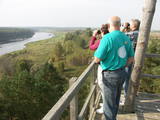 |
Vecais koka tornis tika nojaukts un tā vietā tagad ir uzcelts jauns. No 2015. gadā uzceltā skatu torņa paveras viens no skaistākajiem Latvijas dabas skatiem, kas bija attēlots uz 10 latu banknotes. Skats uz šo vienu no Daugavas lokiem ir skaistākais visā upes tecējumā! |
|
 |
Mājražotāju kooperatīvs, kurā apvienojušies 29 Kuldīgas novada ražotāji un amatnieki. Kooperatīvam ir savs veikals Pilsētas laukumā 7A, Kuldīgā, kur ir iespējams iegādāties visus kooperatīva biedru ražotos produktus un preces. Veikaliņā tiek piedāvāti arī sezonāli gardumi un regulāri rīkotas akcijas, piedāvājot klientiem plašu un mainīgu klāstu ar mājās audzētiem, ražotiem labumiem. |
|
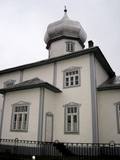 |
Patvērums daudziem vecticībniekiem, apkārtnē 5 baznīcas. Mustvē ciemā jau gadsimtus notiek gadatirgi. Šis ir arī tradicionāls zvejnieku ciems. |
|
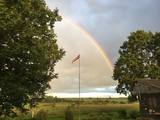 |
"Bielēs" saimnieko jauna ģimene, kas Rīgas steigu ir nomainījusi pret lauku mieru, vēlas atjaunot pazaudēto saikni ar Zemi, iemācīties saklausīt un sajust gadalaikus, kā arī izveidot pašpietiekamu saimniecību. Saimniekiem patīk viss, kas ir dabisks un varbūt pat nedaudz netradicionāls. Patīk eksperimentēt un nepatīk pilsētas stīvums. |
|
 |
Viesiem ir iespēja pastaigāties un nofotografēties lavandu laukā, atpūsties mājīgajā un smaržīgajā Provansas stila apkārtnē. |
|
 |
Esko Farm is a family business which focuses on making dairy products from their own lifestock. Farm's products include yogurt ice creams, cheeses, yogurts and so on. It's possible to take a tour around the farm, get to know the animals as well as have degustation of the farm's products. |
|
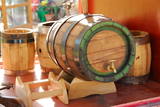 |
Amatnieks taisa mucas, karstos kubulus, mēbeles, kāpnes, durvis u.c. saimniecībā noderīgus priekšmetus. Vada ekskursiju, dalās ar savām amata prasmēm un pieredzi, kā arī piedāvā kopīgi uztaisīt kādu no saimniecībā noderīgām lietām. Apmeklētāji var vērot mucas izgatavošanas procesu no sākuma līdz gatavam produktam, kā arī izmēģināt senos darba rīkus. |
|
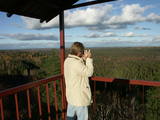 |
Skatu tornis atrodas rezervāta dienviddaļā, Ļaudonas – Mārcienas ceļa malā uz Madonas – Trepes vaļņa. No tā pārskatāma ļoti plaša teritorija līdz pat Vidzemes augstienei (skaidrā laikā - Gaiziņkalna tornis). Torņa „piekājē” saskatāms Mazais un Lielais Plencis (ezeri). Tā kā tornis atrodas dabas rezervātā, atļauts tikai torņa apmeklējums un uzturēšanās autostāvlaukuma teritorijā. |
|
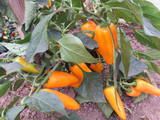 |
Saimniecībā audzē avenes (6 ha), garšaugus un ārstniecības augus (vairāk nekā 100 šķirnes), dārzeņus (paprikas, gurķi, tomāti, čilli pipari, sīpoli, ķiploki) un bites. No izaudzētā taisa salātus, ievārījumus, lečo, čatnijus. Apmeklētāji var iegādāties augu pārstrādes produkciju, paši lasīt avenes un zemenes, degustēt tēju, nopirkt medu un iegūt vērtīgas konsultācijas. |
|
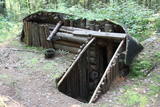 |
2. pasaules kara laikā starp Vietalvu un Jaunkalsnavu aktīvi darbojās nacionālie partizāni komandiera Riharda Pārupa vadībā. To darbība tika pārtraukta 1946. g. Zemnīca atrodas grūti pieejamā un nezinātājam – atrodamā vietā – Vesetas palienes purva dabas liegumā. Laipu taka, kas ved no A puses vasarā ir ieaugusi biezā niedrājā. 2010. g. bargajā ziemā zemnīcai iebruka jumts, taču entuziasti plāno to atjaunot. Blakus tam uzstādīts balts krusts, uz kura ir lasāmi bojā gājušo partizāņu uzvārdi.
|
|
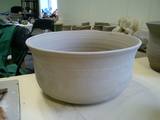 |
Amatniecības centrā, kas atrodas bijušās Svētes muižas teritorijā, organizē radošās darbnīcas. Te var iegādāties jau gatavus keramikas izstrādājumus, gan veikt individuālos pasūtījumus. |
|
 |
Autentiskā Zypliu muižas vidē izveidots restorāns. Kulinārais mantojums - Lietuvas muižniecības ēdieni. Ēdināšana, degustācija, izglītības programmas. |
|
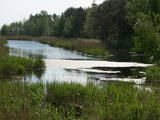 |
Taka izveidota 2005. gadā. Tā atrodas uz Lapmežciema un Bigauņciema robežas un izskatās kā koka dēlīšu laipa gar Siliņupi. Taka aizved līdz jūrai, kur apskatāms vecais Lapmežciema mols. Siliņupē novērojami ūdensputni. |
|
 |
Taka, kas izveidota Lemmjegi (Lemmjõgi) un Raudnas (Raudna jõgi) satekas vietā, iepazīstina ar palieņu pļavām un veciem pārmitriem mežiem, kas ir vieni no lielākajiem Igaunijā. Takas sākumā dominē atklātas lauku ainavas. Viens no 4,9 km garās lokveida takas apskates objektiem ir Lemjē dižozols. Mitrā laikā noderēs ūdensizturīgi apavi. |
|


