
| No | Name | Description |
|---|---|---|
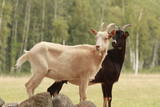 |
The farm specialises in goat farming and goat cheese. Tours are available with tastings and purchase of products. The herd has some 150 goats, and visitors can taste and buy goat cheese. The farm is certified as a biological farm that focuses on environmental health. |
|
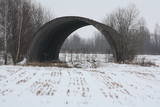 |
Few Soviet military objects are associated with more legends than this one. During Soviet times, this was a reserve airfield, as well as a storage site (just 50 kilometres from the republic’s capital city) for nuclear weapons. These were hidden in two cement hangars that were covered with soil and vegetation. Public information suggests that an RX-24 nuclear bomb weighing 430 kg and a RX-26 nuclear bomb weighing 1,030 kg were stored here, as were air-to-land missiles equipped with nuclear explosives. If there had been an accident here, what would have happened to Rīga, to Latvia, to the Baltic States and to Northern Europe? The airfield is a closed territory today.
|
|
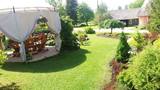 |
This farm welcomes groups and individual travellers for a smoke sauna, lunch, and a chance to taste Suiti bread, buns and special seed pastries that are based on ancient recipes. |
|
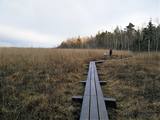 |
Taka atrodas Riekstusalas pussalā, netālu no putnu vērošanas torņa. Uz peldošiem pontoniem celtā laipa iepazīstina ar Kaņiera ezeru „tuvplānā”. Var iepazīt niedrājus, to putnus, labi redzamo ezera gultni ar zivju mazuļiem un kalcifilām augu sabiedrībām. Laipa aizved līdz salai, uz kuras aug kadiķi. |
|
 |
Atrodas Ostas ielas rietumu galā. No laukakmeņiem veltīto kompozīciju uzstādīja 1938. g. (idejas autors – bijušais Ventspils ostas kapteinis V. Ābelnieks) un tā ir piemiņa visiem zvejniekiem un jūrniekiem, kuriem atdusas vieta ir jūras dzelme. |
|
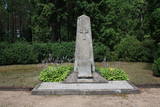 |
This is the largest cemetery of the brethren from the World War I period, and it is the final resting place for some 1,800 Latvian Riflemen, as well as some 2,000 soldiers who served in various Russian army units and were reinterred during the 1930s. There is a monument at the centre of the graveyard. |
|
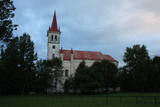 |
Meklējama Nīcgalē, starp Rīgas – Daugavpils šoseju (A 6) un Daugavas krastu. Baznīcu cēla (neogotikas stils) pēc muižnieka Henriha Plātera - Zīberga iniciatīvas 1862. - 1863. g., veltot to Jaunavas Marijas dzimšanai. Kā jau daudzas citas baznīcas, arī šī ēka un tās interjera priekšmeti cieta 1. pasaules kara laika notikumos. To atjaunoja 1922. gadā. Baznīcas iekārta ir saglabājusies no 19. gs. 60. gadiem, bet, centrālā altāra augšdaļu pārbūvēja 1957. gadā. Dažus gadus vēlāk - 1961. g. uzstādīja ērģeles. |
|
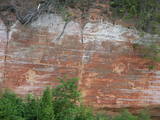 |
One of the most popular areas of uncovered sandstone in Latvia, known for its unusually smooth and sound-reflecting cliff wall (around 12m in height). Located on the right bank of the Salaca river, there is a place for tenting. A fun experiment is to stand in various closes opposite the cliff and to speak quietly. The echo will be heard either by the speaker or by people who are standing elsewhere. Located in the Salaca valley nature park and the Skaņaiskalns park.
|
|
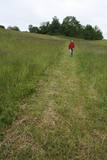 |
Viens no iespaidīgākajiem nacionālā parka pilskalniem, kura piekājē atradusies senpilsēta. Arheoloģisko izrakumu gaitā te atrastas kuršu senlietas. Tiesa, mežs un biezais augājs traucē uztvert šī nozīmīgā arheoloģijas pieminekļa patiesos apjomus un formu. Uz pilskalnu vasarās ved izpļauta taka. Ja esat Žemaišu Kalvarijas pusē un atliek brīvs brīdis, tad savā maršrutā var iekļaut arī šo apskates objektu. |
|
 5 days
|
The Baltic Way was a unique demonstration at the Baltic, European and global level. Never before had the residents of three countries joined hands in a single chain to link the capital cities of the three nations – Vilnius, Rīga and Tallinn. The historical event occurred on the evening of August 23, 1989 and involved some two million people to recall events that had happened 50 years before – the conclusion of the Molotov-Ribbentrop Pact that allowed the two superpowers of the day, Germany and the USSR, to divide up spheres of influence in Europe before the new world war. The Baltic States lost their independence as a result of the pact. The chain of demonstrators was some 600 km long, marking out the Baltic Way from Bauska to Rīga and then on to Sigulda, Cēsis, Valmiera and Rūjiena. The route was known and used in the 14th and 15th century, or even earlier. Testimony to this is given by the mighty castle hill at Mežotne and the ancient port alongside it. The Bauska Castle was an important fort during the age of Livonia and, later, one of the residencies of the dukes of Courland. Sigulda was well fortified on the banks of the Gauja River, with three stone castles nearby. It was also a health spa. Līgatne is important in industrial terms because of the paper factory that is there. Āraiši is another ancient trade crossroad with a lake castle, ancient church, castle ruins and a famous windmill. Cēsis is one of the historical diamonds of Vidzeme with its old town, the old and new castle, and the majestic views of the ancient Gauja River valley at the cliffs of Ērgļi. Valmiera boasts of his St Simon’s Church, the Dāliņš stadium, its own theatre and the youthfulness of its own university college. In Rūjiena, there is a monument to the Bugler of Tālava, which was carved by Kārlis Zemdega and installed in 1937 to commemorate the liberation of Rūjiena. The monument survived all of the years after the war. The engraving, “the bugler had to die, but the Latvians heard his call,” is very much in line with the Baltic Way on August 23, 1989. |
|
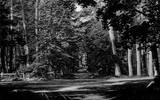 |
Construction of the Neibāde resort in 1823, started up hospitality traditions. The park, designed in an English style, was created by the gardener Akerbergs, who was brought from Estonia by Baron August von Pistohlkors. In the 1920s – 1930s the Pēterupe – Neibāde Seashore Aid and Improvement Society looked after the restoration and care of the monument and the park of the resort that was ruined during the war, the appearance of Saulkrasti, the organisation of different events and foundation of the theatre and the choir, led by Olga Cīrule. Saulkrasti open-air stage has always been a place for festivities. 16 July 1933 is a date that deserves special attention as it was on this date that the open-air stage became the place where Neibāde and Pēterupe were renamed Saulkrasti. The open-air stage was repeatedly rebuilt and improved. Both during the Soviet era, as well as later, this was a meeting place for locals on joyful moments, on moments of change and remembrance. The stage was the place of origin of the Popular Front of Latvia (Latvijas Tautas fronte) Saulkrasti branch. Now the stage is a meeting place and holds different events on summer weekends. Each year Saulkrasti town festival concert takes place on this open-air stage. |
|
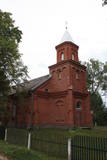 |
Atrodas iepretim bākai. Saukta arī par Pizes (Miķeļtorņa lībiskais nosaukums) baznīcu. To uzcēla 1893. g. Padomju laikā ēkā bija izvietots pionieru nometnes klubs. Tagad tā atkal kalpo savam pamatmērķim. |
|
 |
The hard-working family of the owner makes smoked ham and bakes bread. The meat is smoked according to local recipes in a self-made smokery, which gives the meat a special smoky taste, while the bread is baked from high-quality whole-grain rye flour. You can purchase bread and ham on Fridays. |
|
 |
Lõosilma farm is only 10 km away from Pärnu; it is engaged in the cultivation and processing of agricultural products. Delicious canned food is prepared from the vegetables in the farmhouse kitchen, and many of the products have gained national taste titles. The farm has camper parking powered by solar energy. |
|
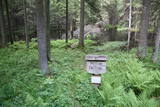 |
Ja apskatīta kodolraķešu bāze, tad var iziet 3,2 km garo Ploštines izziņas taku, kas sākas turpat netālu. Taka ved cauri dažādiem mežu tipiem, iepazīstinot ar sikspārņu būrīšiem (cilvēka radītas sikspārņu dzīves vietas), apkaimes augiem un putniem, kā arī aizsargājamu dabas pieminekli – Pileļu avotu (Pilelio šaltinis). |
|
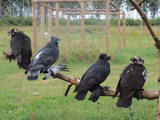 |
You can take an individual trip through the mini-zoo or have a guide to accompany you. You will see 16 types of doves, a Vietnamese pigmy pigs, river rats, rabbits, chinchillas, goats, parrots, turtle doves, ducks, geese, chickens, pheasants, and other birds. Children will love feeding the animals and establishing contacts with them. |
|
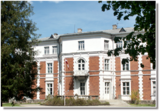 |
The Bebrene Estate features an ensemble of Baroque buildings from the late 19th and early 20th century. The dominant building is the mansion of Count Plater-Sieberg, which was built in 1896 after a design by the architect L.J.L. Marconi. It is home to the Bebrene High School today. Surviving to the present day are the ornate gate and the unusual stone fence of the estate. The regular-design park which surrounds the mansion features a wealth of foreign trees. |
|
|
|
Einen malerische Sandsteinfelsen bis 600 m lang und 21 m hoch am linken Flussufer vom Gauja. |
|
 |
“Saules veltes” ir mājas vīna darītava Salaspilī, kas nodarbojas ar mājas vīnu, liķieru un degvīnu gatavošanu. Alkoholiskie dzērieni tiek ražoti no dabīgiem dārza augļiem un ogām, tostarp upenēm, avenēm, cidonijām, pīlādžiem un pat mārrutkiem. Apmeklētājiem ir iespēja aplūkot saimniecību (uzņem arī 15-20 lielas tūristu grupas), kā arī degustēt konkrētos dzērienus, kurus arī turpat ir iespējams iegādāties; piedāvājumā lieli un mazi tilpumi, dāvanu un suvenīru komplekti.
|
|
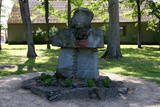 |
Found in the centre of Džūkste, the monument that was set up in 1990 was blown up in 1990, and the current one was made from the ruins of the destroyed one. The monument commemorates troops from the 19th Division of the Latvian Legion who fell during the so-called Christmas battles in 1944. |
|


