
| No | Name | Description |
|---|---|---|
 |
Territory is not attractive for a visitor without environmental knowledge and is very hard to find and reach through swampy forests on the North from Riva village. Area is not intended and appropriate for visits.
|
|
 |
The farm has a herd of 70 cows to produce milk, yogurt, cottage cheese, cream and cheese. It is open to shoppers every Friday. |
|
 |
Atrodas Lielvārdes parkā pie Rumbiņas ietekas Daugavā. Līdzīgi kā citur, arī šeit 13. gs. pirmajā pusē bīskapa pili cēla nodedzinātās lībiešu koka pils vietā. Mūra pili nopostīja Livonijas kara laikā - 1577. g. Tikai 1987. g. notika drupu konservācija. Lielvārdes parka veidošanu uzsāka 19. gs. beigās Lielvārdes muižas barona Artura fon Vulfa vadībā. Sagaidot eposa „Lāčplēsis” simtgadi tajā izvietoja sešpadsmit no ozolkoka veidotas skulptūras (t.s. Skulptūru dārzs) (autori V. Ansavs, P. Mellis, Ē. Delpers, A. Dauvarte). Aiz pilsdrupām Daugavas krastā ir stāva krauja ar dolomīta iežuatsegumu. Līdz HES ūdenskrātuvei var nokļūt pa kāpnēm. Lielvārdes muižas pils līdz mūsdienām nav saglabājusies. |
|
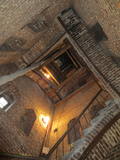 |
This is a unique example of industrial heritage – the only open munition factory in the Baltic States. It includes Europe’s oldest pellet pouring tower, and it is still used for that purpose today. Tours are available for those who contact the factory in advance, and a guide will lead groups through the factory, the tower and the museum. Today the factory manufactures nine types of bullets for smooth-barrel weapons, as well as bullets for pneumatic weapons. The products are exported to Germany and other countries. |
|
 12 days
|
The route leads mostly through the Gauja National Park where you will see the most beautiful river valley in the Baltic States. It is the ancient Gauja River valley with gorgeous flora and fauna and the mightiest Devonian-period sandstone cliffs, in the region. While riding the route, you can study Latvia's most brilliant medieval city, Cēsis. You can visit medieval castles and castle ruins there and in Sigulda. A guide will take through underground bunkers in Līgatne which were secret in soviet times and have no analogue in North-eastern Europe. You will then pass through the beautiful Otepaa highlands and the Lahemaa National Park in Estonia. The old town of Tallinn is on the UNESCO list of world cultural heritage. |
|
 4 days
|
The route leads through beautiful flower gardens of Kurzeme and Žemaitija. The largest in Latvia collection of Dwarf Bearded Iris is found in Kandava. Mierkalni is the largest daylily garden in Eastern Europe, with more than 1000 varieties. The owner also produces fruit and berry wines. In the Talsi Hillocks Nature Park there is the Kurzemnieki apple growing and processing apples (dried apples, apple chips, juices). It also grows Roman snails. The Upmaļi environmental and health farm produces teas, herbs, plant oils, special balms, cosmetics, plant-based soaps, etc., under the brand name AnnA Bermans. Latvia’s oldest magnolia, 50 years old, is found at Sauleskalni arboretum. Over 100 varieties of peonia are grown in Ziedoņi peony garden. The owners of Maras Manor offer stories of historical German manors in the area. Milk Estate Berghof houses a milk museum. Exotics flower and tree cultivars are found in Māra Lindes dendrological gardens. Turaidas farm produces herbal teas and sacks thereof as souvenirs or gifts, using lemon balm, raspberry, tansy, alchemilla, Plantago major and linden. In Nīca village, 7 decorative gardens maintaining the local gardening tradition are open for visitors. Rucava arboretum displays a collection of magnolias. The largest Japanese garden in Europe (16 ha) is a home to collection of traditional aromatic plants and vegetables. Palanga Manor housing the Amber Museum and Birutė Park is one of the best-preserved manor complexes in Lithuania. Kretinga Manor Park is one of the oldest surviving 16th–18th century manor parks in Lithuania. Klaipėda University Botanical Garden has a coastal ethnographic garden with flower arrangements characteristic of this area. Klaipeda, the most popular seaside resort town in Lithuania. The Sea Museum and Dolphinarium are among the most famous attractions there. Šilutė Manor has two parks – an English landscape park with walking paths and the forest park known as Varnamiškis, or “Crows’ Forest”. Pakalnė is a unique traditional fisherman’s homestead with garden plants typical of the Lithuania Minor region. |
|
 |
The Rudeņi farm is in the southern part of the Zemgale lowlands, to the East of Bērvircava. Established in 1999, the farm specialises in dairy farming with more than 300 cows and an equal number of calves. It is also a grain farm, with more than 400 ha of land for winter and summer crops, rapeseed and corn. Farming waste is used for a modern biogas plant that provides energy for the farm. The owners actively make use of EU projects, one of which allowed it to build a cattle shed for more than 400 animals and a cow milking carousel. |
|
|
|
The town of Subate was first listed in documents in 1570, when Duke Gotthard Kettler of the Duchy of Courland sold the Subāte marketplace to Count G. Plater-Sieberg. When the Plater-Sieberg dynasty converted to Catholicism in the mid-17th century, Lutherans in Subate protested by moving to the eastern bank of Lake Subate. That was the property of the Prode Estate (only ruins remain at this time), which was owned by the Osten-Sacken dynasty. In 1685, the Osten-Sackens built a Lutheran church for the “refugees,” and Jaunsubate was established around it. Both parts of the town were merged again in 1894. During Latvia’s liberation battles in 1919, Subate was liberated by Lithuanians, at which time the town was divided up between Latvia and Lithuania (though the border between the two countries was set at the previous line in 1921). The historical centre of Subate was established between the 16th and the 19th century, and it includes four churches for various congregations and low wooden buildings which stretch along narrow and curvy streets. The town is on the shores of a sub-glacial depression with Great Lake Subate and Lesser Lake Subate therein. This provides the town with unusual landscapes for Latvia. |
|
 |
The cafe is situated in the centre of Talsi. |
|
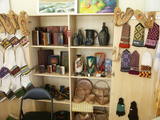 |
Origins of Livani as a bigger place of population are linked to the 1533, when the then owner of the land Lieven established the manor and called it after his own name Lievenhof. The 1678, the first Catholic Church was built here. The city suffered considerably during the two world wars. Name of Livani is associated with the glass. In 1887 a glass factory was founded here, which today has ceased operation. |
|
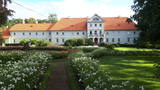 |
One of the oldest buildings at the Pope Estate is the old hunting castle that was built in 1653. The mansion was built in 1608 or 1620. The Neo-Gothic porch was added in 1840. The interiors of the mansion have been preserved since the 18th century and the 3rd quarter of the 19th century, including wood panelling, original decorated ceilings, a front door in the style of Classicism, and a Rococo stove. Sadly, one of the oldest buildings - the home of the estate's governor - burned down in 2018, but the rest of the estate did not suffer and retained its beauty. Visitors will be delighted about the aromatic garden of phloxes, as well as the impressive oak trees. Worth a look is the hillock behind the main building of the estate, near which there used to be a narrow-gauge railroad (the Pope Station). The other buildings cover a fairly extensive territory, and so it is worth spending a few hours to tour the village of Pope. The Pope Estate and its park are among the best-preserved estates in the area. Since March 1941, it has housed a school. Most of the trees in the park are common, but there are a few rare ones. |
|
 |
Aktīvās atpūtas parka “Godiņu Piedzīvojumu Platforma” piedāvā organizētus pārgājienus, ejot ar kājām, braucot ar velo, nūjojot, skrienot, vienam, ar draugiem, ar ģimeni, ar kolēģiem, ar četrkājaino draugu. Venlaikus ir iespēja baudīt koka flautas brīnumainās skaņas meža ielokā un pašam izgatavot savu pūšaminstrumentu. |
|
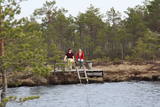 |
1,2 km gara taka, kas pa purvainu mežu aizved līdz Ērdi purvam (Öördi raba) un tā austrumu daļā esošajam Ērdi ezeram (Öördi järv), pie kura izveidota atpūtas un peldvieta. |
|
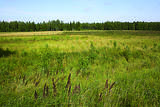 |
A legendary location which is said to have
been the site of a lake which, in 1838, was poured into the sea. When the
water was gone, remnants of ancient tree stumps and ships were found at
the bottom of the lake.
|
|
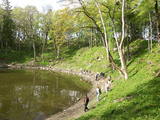 |
The biggest sea island in Estonia. In translation - "Land of The Islands". A bridge, where cyclists can drive connects Saaremaa island to Muhu island . |
|
 |
Saimniecībā tiek piedāvāti dažādi biškopības produkti: medus, bišu maize, propoliss, vaska sveces. Iespēja sarunāt izzinošu ekskursiju - ceļojums bišu pasaulē ar gulēšanu uz bitēm. Tiek piedāvāta arī loku šaušana un zāļu tējas. |
|
 |
This is an ecological and biodynamic medicinal plant farm that is run by two sisters who produce herbal teas and spices. Educational programmes offer information about the plants and their medicinal properties. You can lease bikes to ride down the bike paths of the Žemaitija National Park. |
|
 |
Namdaris Rinalds Dundurs būvē, atjauno un restaurē vecās koka ēkas. Veido nestandarta masīvkoka mēbeles, bērnu rotaļlietas un lampas. Darbus veic sadarbojoties ar Latvijas dizaineriem. |
|
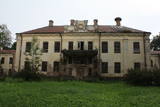 |
Šī vairāk ir uzskatāma par vēsturisku vietu, nekā tūrisma objektu, jo muižas pils atrodas avārijas stāvoklī un apskatāma no ārpuses! Mūsdienās redzamais muižas komplekss ir veidojies 19. - 20. gs. mijā, bet muižas pils (vēlīnais klasicisms) - 19. gs. pirmajā pusē. Vēlāk tai piebūvēja neobarokālus torņus abos ēkas galos. Vienā no tiem atradās kapela, otrā – bibliotēka. 19. gs. tika uzsākta ainavu parka un dendrārija izveide. 19. gs. beigās pilī norisinājās plaši remontdarbi, un tās īpašnieki – Kerbedzu dzimta ēku līdz pat 1. pasaules karam atvēlēja māksliniekiem. No 1920. - 1975. g. muižā darbojās pamatskola, tad ēkas kā noliktavu izmantoja kolhozs. |
|
|
|
The restricted area was established to protect this part of the Ogre River valley, which has ancient river beds and meadows with relevant biotopes and populations. Among these are the wych elm and the European white elm, which are not often found in Latvia.
|
|


