
| No | Name | Description |
|---|---|---|
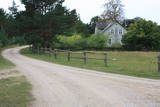 |
This is an ancient populated area. There were 50 homesteads here during the 1930s, with only ten remaining in 1990. The Livonian scholar and entomologist Kārlis Princis (1893-1978) was born in Oviši. In 1944, he emigrated to Sweden. The Oviši lighthouse (1814) is 38 metres high and is the oldest functioning lighthouse in Latvia. There are lovely views from the top of the lighthouse. The building in which employees of the lighthouse used to live was erected in 1905 and has been preserved. A narrow-gauge train station was in the building at one time. The Oviši Lighthouse Museum is nearby, as is the metal Tree of Austra. Opposite Cape Oviši is a great place for bird watching. |
|
 |
“Pagrabiņš” is located in the Old Town of the city, in the historic town hall building. Its interior preserves historic vaults and stone walls that have been decorated with photo exhibitions. In summer, the guests can enjoy their meal on a terrace over the small River Alekšupīte. |
|
 |
A third-generation family company, producing “Gotiņa” sweets since 1959. Located in the centre of Skrīveri, a 2-minute walk away from the train station. Company has a Sweets Workshop where visitors can take a tour, wrap their own candies, learn about their history, taste the products, and purchase natural and fresh sweets. For “Gotiņa” sweets with rye bread and cranberries, they use heated rye breadcrumbs from the Lāči bakery. Fresh and delicious sweets can be purchased in the factory shop.There are four different tour programmes in all. |
|
 1 day
|
Dodieties ekskursijā, lai gūtu ieskatu lauku profesijā un dzīvesveidā, kā arī iegūtu jaunus iespaidus un labu atpūtu visai klasei. Ekskursijas sākumā apmeklējiet savvaļas dzīvnieku parku, kura voljēros dzīvo ~ 200 dambriežu. Tālāk dodieties uz saimniecību, kur aug vairāk nekā 100 augu sugu un šķirņu - ekskursija pa saimniecību, augu stādu iegāde, tēju, augļu un ogu degustācijas. Pēc tam apmeklējiet Skrīveru pārtikas kombinātu, kurā iespējams iegādāties gardās Gotiņkonfektes un doties ekskursijā. Brauciena noslēgumā - Skrīveru mājas saldējums ar stāstījumu par saldējuma gatavošanu un degustāciju. |
|
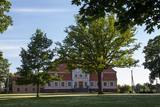 |
The Kelme Estate is one of the last remaining provincial estates in Lithuania. Designed in the Baroque style, it is a large and closed estate farm with many authentic buildings, gardens and bodies of water. The geometric park is a vivid example of Baroque style, and it is divided up into various parts by alleys. There is a viewing mound in the park. Most of the trees are ancient, indeed, but the best part of the estate is behind it -- one large and three smaller ponds, as well as a viewing mount that is in the ancient park. |
|
 |
Avinurme Cultural Heritage Centre exhibits displays of local cultural history and runs workshops for woodwork and handicraft. Old workbenches are used for carpentry, and spinning and weaving skills can be honed too. 1-3-hour programmes are available for groups. |
|
 |
"Mākoņmalas" is located in the middle of the forest, in silence. A magical place where you can enjoy SPA procedures and sauna rituals, gain knowledge in magical and non-traditional practices, as well as be alone with nature, improve health, enjoy a "short vacation for the hurried and busy". In "Cloud Edges" you will receive a restart for both body and soul. After the procedures, it is possible to enjoy a deep night's sleep in our home and taste the early breakfast on the terrace, watching the morning rituals of wild animals and the beauty of nature. You can enjoy the morning with a stick or a regular morning walk through the forest to meet deer and other forest dwellers. |
|
 |
Jau no seniem laikiem Cesvainē zinājuši alu, vīnu un brandvīnu. Pirmais krogs minēts jau pirms 1520.gada. Cesvaine var lepoties ar savulaik lielāko un svarīgāko krogu Vidzemē - Šļākas krogu. Barona Vulfa pils pagrabi vienmēr bijuši pilni ar labām vīna, liķiera un brandvīna pudelēm. |
|
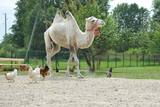 |
A park of exotic animals in Dundaga features alpacas, llamas, ostriches, a camel, a blue cow, etc. |
|
 |
The restaurant is in the southern part of Liepāja and features an open-type kitchen that allows clients to watch the chefs at work. Latvian cuisine: Mushroom soup, fish soup, crepes, potato pancakes, lamb chop, grilled pork filet, steams tongue of veal, leg of lamb, cottage cheese dessert. Special foods: Cod soup a la “Olive” or a special ice cream cake. |
|
 |
The hotel is on the banks of the Daugava River, which is the boundary river between Latvia and Belarus. It offers Lettigalian foods, as well as parties in the Lettigalian, Belarusian and Polish style. |
|
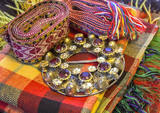 |
Features vivid woven Suiti textiles and offers master's classes. You can also purchase souvenirs. Contact the workshop in advance if you want to take part in the classes. |
|
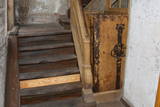 |
Находится на ул. Базницас, д. 17. Здание построено в XVII веке, как жилой дом кулдигского бургомистра. В 1701 году здесь гостил король Швеции Карл XII, который в передней оставил огромный сундук (2 х 2,5 м), на который после реставрации можно взглянуть и сегодня. |
|
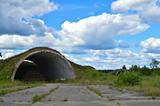 |
During Soviet times, Vaiņode was the site of one of the Soviet Union’s largest military airfields in the Baltic States. During the period of Latvia’s independence, the country’s first dirigibles were based here. Eventually their hangars were dismantled and brought to Rīga, where they were used for the Rīga Central Market. They are still there today. Some of Latvia’s first gliders took off from Vaiņode. During the Soviet occupation, the airfield was home to an air defence and destroyer squadron, with 38 SU-27 “Flanker” destroyers on site. After the restoration of Latvia’s independence, the Vaiņode airfield was dismantled in part, and the big plates of concrete that covered the runways and the rest of the airfield were used to improve the Liepāja port. There are still 16 hangars at the airport, and 1,800 of the formerly 2,500 metres long runway are also still there. More information about the airfield can be found at the Vaiņode Regional Research Museum.
|
|
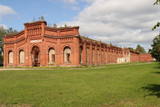 |
This building was erected in 1903 and 1904 to be used for military training, exercises and ceremonial events. An addition to the South of the building held a small church, but it is gone. The building was used for gymnastics performances and competitions for horseback riders. Official meals for the garrison’s sailors were held there, too – the hall could hold up to 3,000 people. Only the outer walls survive today, sad to say. You can view the exterior and interior of the hall at any time. This is the only building of its size and type in Latvia. The roof once had bands of glass tiles.
|
|
 |
Preiļu Siers is the largest cheese manufacturer in Latvia and exports 90% of its output. There are three “Preilis” stores in the town (Daugavpils Street 66A, Tirgus laukums 5, Rēzeknes iela 15) where are the widest range of Preiļu Siers products. Three kind of tastings of cheese "Čedars" produced in Preiļi, as well as "Čedars" cheese ice cream and a movie about the company are offered by local home producers "Pampūkas" beach terrace cafe, located in the active part of the city - beach area of Preiļi Park (pre-registration by phone 25867735, runs from the second Sunday of May till the second Sunday of September). In Preiļi , next to A/S "Preiļu siers" factory (Daugavpils iela 75) is one of few monuments to cheese in the world – the only one of its kind in Latvia. There are only four monuments for cheese in the world, two of them located in France, and one in each - Canada and USA. Therefore Preili can safely be called the cheese capital of Latvia. |
|
 |
Piedāvā ļoti gardus Lietuviešu tradicionālos ēdienus. Var pieņemt līdz 80 personām. Pieņem bankas kartes, ir āra terase un dzīvā mūzika. Pieejama autostāvvieta. |
|
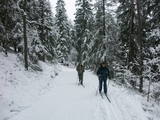 |
The nature park near the town of Ogre is a popular place for leisure, hiking and, in the winter, cross-country skiing. Most of the park is covered with coniferous trees that are on a long and comparatively narrow line of hillocks with steep sides – another element of nature left behind in Latvia by the Ice Age. Many different plants can be found here. The Jaunogres castle hill is one of the most distinct hillocks in the area. |
|
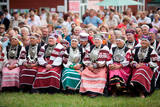 |
Setomaa in South-East Estonia is a unique area for its people (the Seto) and culture. The historic location in the borderland between East and West, straddling two languages and cultures has shaped the local language, life style, clothes and food. A very specific type of singing – leelo – is incorporated in the UNESCO list of Masterpieces of the Oral and Intangible Heritage of Humanity. |
|
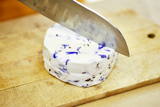 |
This farm keeps Thuringian breed goats and makes goat's milk cheese, as well as a various snacks. In addition, herbs and medicinal plants used for teas and natural cosmetics are also grown here. |
|


