
| No | Name | Description |
|---|---|---|
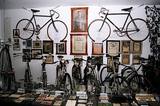 |
It is the bicycle collection of father and son Jānis and Guntis Seregins, which is the only collection of antique bicycles in Latvia. They have been collecting cycles since 1977 when they joined the Antique Automobile Club and became fascinated with Latvia’s cycling traditions. The collection’s core is formed from technically unusual bicycles. In total, the museum has approximately 70 Latvian-made and used bicycles. Besides bicycles there are many other pieces of cycling ephemera relating to sport, cycle clubs and bicycle production. The museum has an extensive collection of bicycle brands, bringing together 1000 badges from all over the world. Guided excursions available. |
|
 |
This farm has 36 ha of land and is near Latvia’s border with Belarus. It raises goats and obtains some 10 tonnes of milk from them each year. The milk is processed at the farm, which offers cottage cheese, cream, various kinds of cheese, homemade ice cream and meat products. Tastings are offered, and visitors can help to do the work at the farm. The farm is part of the Latgale network of culinary heritage and is a biological farm. |
|
 |
Ugandan Resto is a restaurant with a stylish interior, tasty food and friendly service, located in Otepää. Meals are prepared from fresh, premium local products. |
|
 12 days
|
This route includes some of the most authentic experiences that can be found in the regions of blue lakes in eastern Latvia and Lithuania. No masses of tourists are here, and local residents are sincere and hospitable. You will find traditional villages, many religious objects and farms that represent agricultural heritage. You will ride through the Rāzna National Park, which is alongside the lovely Lake Rāzna. You will visit traditional farms and ancient castles, as well as the Aglona Basilica, which has been a destination for pilgrims for many years. There is also a bread museum in Aglona. From there you will ride through Daugavpils, which has an impressive 19th century fortress that includes the Mark Rothko Art Centre. Along the way you will find potteries where traditional ceramics are offered. You will learn more about breeding horses and cows, as well as about how traditional cheeses are made and herbal teas are prepared. Next you will ride through the Aukštaitija National Park that is on the border between Latvia and Lithuania. You will see ethnographic villages with wooden castles, as well as many lakes. It is worth visiting the Stripikiai Beekeeping Museum, the local open-air art museum, as well as the European Centre. To be sure, you will enjoy local Lettigalian beer, as well as zeppelins, which are a traditional dish in Lithuania. |
|
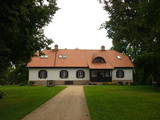 |
The Berķenele semi-estate is a historical monument of national importance, known as the place where the distinguished Latvian author and politician Rainis (1865-1929) spent his childhood. The house was restored in 1995, and since 1996 it has been the Rainis house in Berķenele. Rainis recorded his childhood impressions in a poetry collection called "Five Sketch Notebooks from Dagda." Today the managers of the house offer tours, creative workshops and exhibitions. Visitors can don the clothing worn by the lord and his servants. Around the house is a large orchard, featuring a programme called "Route of Apples." The house also has a lovely landscape that is interesting to see. |
|
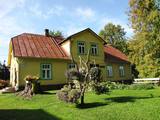 |
Pēteris Barisons (1904-1947) was a Latvian composer and conductor, and this is his birthplace – the Skudras homestead. The exhibition features the composer’s personal items, including musical instruments, documents and other bits of evidence about his life. Call +371-6512-9504 to arrange for a visit. |
|
 |
The restaurant is on the seashore with a wonderful view of Jūrmala. The grill terrace is a stylised ship wheel. The restaurant partners with local farmers and fishermen. Latvian cuisine: Cold beet soup, fish soup, smoked eel with country cream, duck livers, cream of potato soup with chanterelles, roast pike-perch, venison with mustard sauce. |
|
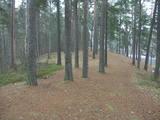 |
This territory is meant to protect the “green zone” of Rīga. Most of the park is covered with pine forest and dunes with shrubs on them, but Lake Beberbeķi is found at the southern end of the park. The area around the lake has been improved. |
|
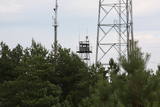 |
The military communications facilities at Pāvilosta are along the southern part of the town. The facilities are owned by the local government, and there is no information about their use at this time.
|
|
 |
One of the largest meat and dairy farms in Kurzeme, with a herd of around 500 heads of cattle. The farm also breeds most of the types of fowl that are known in Latvia. An informative tour is available, and you can purchase meat, milk and eggs. |
|
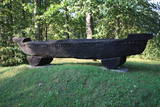 |
3 km to the south of the centre of Jūrkalne, near the old (gravelled) road between Liepāja and Jūrkalne, is the place where the three-year Feliksberga Maritime School existed between 1871 and 1902. The building is long gone, and the memorial has involves an oaken boat with two wooden poles on which old ownership signs have been engraved. |
|
 |
The restaurant is in the Promenade Hotel, which was established at historical port docks in Liepāja. It works with local farmers and fishermen and offers live music on weekends. Latvian cuisine: Mutton soup, baked plaice or catfish filet, cod prepared according to traditional fishermen’s recipes, crepes. Special foods: Freshly caught fish with grilled vegetables. |
|
 |
Territory is not attractive for a visitor without environmental knowledge and is very hard to find and reach through swampy forests on the North from Riva village. Area is not intended and appropriate for visits.
|
|
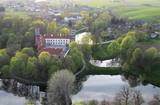 |
Gebaut in 1610, später umgebaut. Eins der hervorragenden Gebäuden Litauens der Renaissance. Eine Ausstellung der Kunstakademie Vilnius. Ein Aussichtsturm. |
|
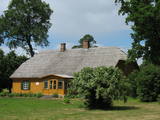 |
The Lejenieki homestead is 1.1 km north of Bangas. Vilis Plūdons (1874-1940) was an outstanding Latvian poet, a representative of the style of National Romanticism, and a schoolteacher. His real name was Vilis Lejnieks, and he was born in at the Lejenieki homestead in the Bauska region. His father was Jānis Lejnieks. As a boy, Vilis was enchanted by fairy tales told by his granny and by folk songs that she sang. Plūdons is buried nearby in the family cemetery. Lejenieki offers an exhibition about the poet’s life and work. The local sauna features sculptures of rabbits, thus recalling Plūdons’ poem, “Rabbit Sauna.” |
|
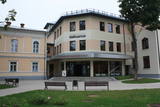 |
The current exhibition is in a building that used to house the Latgale Central Museum, and it speaks to the 700 years of the history of Rēzekne. It features typical ceramics and other artworks from Latgale. A separate exposition, “A Miracle Created by the Transformation of Clay and Fire,” speaks to the history of ceramics, and the museum also features pottery workshops where people can watch experts using ancient traditions to create new forms of pottery. Outside of the museum is a monument to the distinguished Lettigalian poet Antons Kūkojs (1940-2007). |
|
 1 day
|
Ekskursijas laikā apmeklējiet dabas taku, kurā ir iespēja iepazīt Amatas novada dabas objektus gar Kumadas upes, Dančupītes un Amatas upes krastu. Pēc tam apmeklējiet Cēsu pils kompleksu. Viduslaiku pils sniedz iespēju iejusties 800 gadus tālā pagātnē, uzkāpt ar sveču lukturīšiem Rietumu tornī, nokāpt cietumā, kā arī redzēt, kā kalējs darina latgaļu rotas. Blakus esošā Jaunā pils ir 18. gs. celta pilsmuižas kunga māja, kurā tagad atrodas Cēsu Vēsture un Mākslas muzejs. Ekskursijas noslēgumā dodieties uz lauku māju Smiltenes novadā, lai iepazītu maizes cepšanu pēc sentēvu tradīcijām, kā arī pašiem izveidot savu maizes kukulīti. |
|
 |
The owner offers groups of various sizes a chance to go to the sea in a fisherman’s boat and to watch shoreline fishing, as well. The lamprey eel weirs that are on the Svētupe River differ from those on the Salaca River in terms of their structure and the fishing principles. During the season, the owner prepares tasty smoked lamprey eels. |
|
 |
Divstāvīgā ēka ir redzama no Dundagas – Ģipkas ceļa (ap 3,7 km no Ģipkas ciema). Šis nav tūrisma objekts, bet gan vēsturiska vieta, kurai vērts pievērst uzmanību kaut vai no attāluma. Ēkas pirmajā stāvā no 1860. g. darbojās skola, kurā par skolotāju strādāja rakstnieks Antons Austriņš. 1867. g. tai uzbūvēja otro stāvu, kurā uzsāka jūrskolas izveidi. Jūrskola darbojās līdz 1894. g., kad to pārcēla uz Mazirbi. |
|
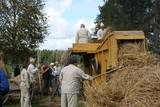 |
The farm museum presents the life and activities of Carl Robert Jakobson (an outstanding 19th C public person, writer and teacher) and his farmstead. Visitors can see cattle, sheep, horses and renovated outbuildings. They can also test their skills in farm jobs; Estonian food is available if booked in advance. |
|


