
| No | Name | Description |
|---|---|---|
 4 days
|
Маршрут ведет вдоль обоих берегов судьбоносной реки латышей – Даугавы. В маршрут включены такие значимые места, как развалины Кокнесского замка и создаваемый «Сад Судьбы». Путешественников порадуют как чудесные виды на речные ландшафты, так и древние городища, латгальские гончарные традиции и другие мастера ремесел. Даугавпилс с предложением многообразного военно-индустриального наследия и художественным центром знаменитого художника Марка Ротко. Информация о маршруте от Latvijas Lauku forums |
|
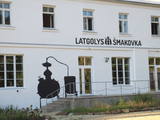 |
True Latgalian Apple Cider from Malnava Manor Our Story Apples Cider For Visitors Where to Buy |
|
 1 day
|
Tūrisma gide Ineta Jansone piedāvā ekskursijas grupām uz Ķemeriem un iepazīstina ar Ķemeru kūrorta vēsturi. Kopš seniem laikiem Ķemeri slaveni ar to, ka šeit ir daudz sērūdeņu avotu un ārstnieciskās dūņas. Šurp brauca ārstēties kopš 19. gs. sākuma. 1838. gadā Ķemeros nodibināja kūrortu. Ķemeru kūrortā ārstēja ādas un kaulu slimības, kā arī gremošanas un nervu sistēmas slimības. 1877.g. izbūvēja dzelzceļa līniju Rīga - Tukums, bet 20.gs. sākumā tika ieviesta tiešā dzelzceļa satiksme ar Maskavu. Kūrorts bija ļoti populārs un katru gadu arvien vairāk viesu brauca šurp ārstēties. Īsi pirms I Pasaules kara atklāja elektriskā tramvaja satiksmi starp Ķemeriem un jūru - Jaunķemeriem. Ķemeri atrodas starp purviem un ezeriem, 6 km attālumā no Rīgas jūras līča. |
|
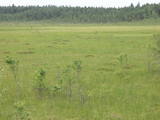 |
Dabas liegums veidots salīdzinoši neliela pārejas tipa purva aizsardzībai. Purvu lieliski var pārredzēt no nelielā skatu torņa.
|
|
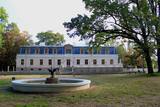 |
Žagare has long since been known for a special type of cherries. There are various varieties which only differ in terms of when they are ripe and productive. There are different types of trees. The cherries grow at nearly home, and that is an exclusive symbol of Žagare. |
|
 |
"Gusts Apinis" is located in Vidzeme highlands, Amata region. The company is unique in that it grows non-traditional crops in Latvia: quinoa, amaranth, millet, lentils, etc. Produces flour and pasta (buckwheat, buckwheat-quinoa) from grown products. |
|
 1 day
|
The smoke sauna is an important part of everyday life in the Võru community in Estonia. It is the centre of a rich set of traditions including the actual bathing customs, the skills of making bathing whisks, building and repairing saunas, and smoking meat in the sauna. The sauna is a building or room heated by a stove covered with stones and with an elevated platform for sitting or lying. It has no chimney, and the smoke from the burning wood circulates in the room. People usually go into the sauna together and remain until they are sweating. Water is thrown on the heated stones to produce hot steam-laden air and bathers beat their bodies with whisks to remove dead skin and stimulate blood circulation. After sweating, whisking, relaxing and possible healing procedures, people cool themselves outside and rinse their bodies with water. The procedure is then repeated. The smoke sauna tradition is primarily a family custom, usually practised on Saturdays, but also before major festivals or family events. Its main function is to relax the body and mind. Families take turns hosting each other. Usually an older family member is responsible for preparing the sauna, accompanied by the children who gradually acquire the necessary skills. The smoke sauna tradition is part of the UNESCO Representative List of the Intangible Cultural Heritage of Humanity. |
|
 2 days
|
Маршрут подходит для тех, кто любит наслаждаться природными и культурными ценностями! Сказочные Слитерские Синие горы известны уже с давних времен, когда на них «пираты» жгли ложные костры, чтобы корабли налетали на мель мыса Колки. В наше время берега национального парка «Слитере» образно наывают геологическим музеем Балтийского моря под открытым небом, так как здесь можно увидеть древний берег Балтийского ледникового озера, береговой уступ Анцильского озера и дюнные образования Литоринского моря (валообразные дюны (кангари) и заболоченные междюновые впадины (виги)), которые наглядно отображают историю развития Балтийского моря за последние 10 000 лет. Этот берег исторически населяли ливы, рыбацкие поселки которых являются значимой культурной средой одного из самых малых национальных меньшинств в мире. Маршрут на участке от Мазирбе до Колки ведет по старой прибрежной дороге, которая петляет через ливские поселки – Кошрагс, Питрагс, Саунагс и Вайде. Национальный парк «Слитере» – одна из наиболее флорестически богатых территорий Латвии, а мыс Колка – одно из популярнейших мест для наблюдения за птицами во время их миграции. Информация о маршруте от Latvijas Lauku forums |
|
 |
A large paddock which is freely accessible for children and their parents offers contacts with goats, pigs, fowl and other animals, including rabbits. During the season, the owner offers eggs for sale. |
|
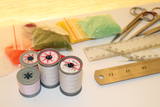 |
Radošajā mājā Latvietes pūrs var apgūt praktiskās iemaņas rokdarbu veidos, kas nepieciesami latviešu tautas tērpu darināšanai – baltie un krāsainie darbi, zīļu vainagu darināšana, adīšana, tamborēšana, tilla izšuvumi, pīto un austo jostu darināšana u.c. Saimniece pati pārzina dažādus rokdarbu veidus un to tehnikas, nepieciešamības gadījumā tiek pieaicināti sava aroda meistari. Ir zināšanas par latviešu tautas tērpa novadu īpatnībām, saimniece labi zina tautas tērpu attīstības vēsturi un pielietojumu
|
|
 |
Piedāvā ļoti gardus Lietuviešu tradicionālos ēdienus. Var pieņemt līdz 1000 personām.Pieņem bankas kartes, ir āra terase, dzīvā mūzika kā arī autostāvvieta. |
|
 |
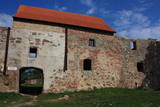
The Kemeri railroad station dates back to 1877,
when the rail line was opened. A train from Moscow
travelled to Ķemeri for awhile, and until 1920, there was
a tram leading from the train station to the beach at
Jaunķemeri. The station was destroyed during World
War I and rebuilt in 1922 (the architect was Artūrs
Medlingers). This was the first building in Ķemeri to be
erected after the establishment of Latvia’s
independence. The station building was rebuilt once
again after World War II. A bike rental facility is found
inside.
|
|
 |
Found along
|
|
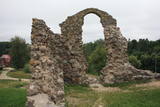 |
The Rēzekne castle hill is an impressive hillock (15 m) on the right bank of the Rēzekne River. From the 9th to the 12th century, there was a Lettigalian castle here. In 1285, the Livonian Order began to build a two-story stone castle on the site, and its ruins have survived to this very day. Alongside the castle hill is the Eastern Latvian Creative Service Centre - „Zeimuļs”, along with a tourism information centre. |
|
 |
The restaurant is on the seashore with two terraces and a lovely view of Jūrmala. Latvian cuisine: Marinated herring with cottage cheese, potato pancakes, fried Baltic plaice, lamb, Latvian cheeses. |
|
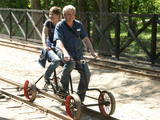 |
The museum was established in 1954 and features the traditions of Latvian and Livonian fishermen, sailors and farmers and their lives and residences. There are fishermen’s homesteads with net huts, smokehouses, granaries, etc. There is a collection of fishing boats and the largest assemblage of anchors in the Baltic States (more than 100 anchors, the heaviest one weighing 22 tonnes). The windmill was transported from the Užava Parish. The 19th century Smiltnieki home features authentic household objects. The newest thing at the museum is the Lielirbe Baptist Prayer House, which is nearly 100 years old. A narrow-gauge railroad runs down the 1.3 km Mountain line from May 1 to October 31 every year, and at its end is its turntable. The building of the museum was designed on the basis of the Mazirbe train station. The museum is in the Jūrmala park, with playgrounds for children and the Anchor trail. |
|
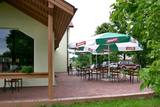 |
The café is located the Krūziņi guesthouse in the centre of Dundaga. Latvian cuisine: Sauerkraut soup, grey peas with curdled milk, roast perch or cod, sorrel soup with potatoes. Special foods: “A tower of cottage cheese” or crème from the ingredients of the Dundaga Dairy. |
|
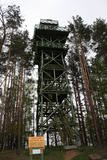 |
Viens no diviem nacionālā parka skatu torņiem, kas atrodas ~ 1,5 km ziemeļos no Ehijerva ezera (Ähijärv). Tornis ir veiksmīgi „nomaskēts” nelielā priežu pudurī, tādēļ tas „nebojā” izcilo dabas un kultūrainavu, kas paveras no tā skatu platformas. Pie autostāvlaukuma ir izveidota labiekārtota atpūtas vieta. |
|
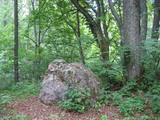 |
Ja Rušona ezeru iepazīstiet ar laivu, tad var apmeklēt Lielo salu (ezera rietumdaļā),kur (augstākajā vietā) ir jāuzmeklē ap 1,2 m augstais akmens. Konstatēts, ka tā apkārtnē un uz virsmas kurināta uguns. Atrastas arī senlietas. Nostāsti vēsta, ka akmens virsmā bijušas iekaltas zīmes (nav saskatāmas) un pie tā upurēti jēri. Tikai nedodieties ezerā, ja ir vai gaidāms stiprs vējš! Rušona ezera salas ir dabas liegums. |
|
 |
The café is in the centre of Lizums and offers local foods. The interior design is based on Latvian ornaments. Latvian cuisine: Cold soup, dumpling soup, hunter’s sausages. |
|


