
| No | Name | Description |
|---|---|---|
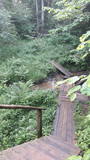 |
Šis avots ir pazīstams kopš seniem laikiem. Kalpo kā laba dzeramā ūdens ņemšanas vieta. |
|
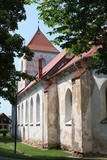 |
Atrodas Bauskas vēsturiskajā centrā, Plūdoņa ielā 13 a un ir šīs pilsētas daļas vecākā ēka. Dievnams celts 1591. - 1594. g. vēlās gotikas stilā, bet tornis piebūvēts 1614. g. Baznīcas iekšpusē atrodas nozīmīgi mākslas pieminekļi: altāris (1699. g., pārbūvēts 1861. g., mākslinieks J. Dērings), kancele (1762. g.) un ērģeļu prospekts (1766. g.) – abi Nikolaja fon Korfa dāvinājums, draudzes soli (17. gs. vidus – 18. gs. sāk.), senākais no koka veidotais Bauskas ģerboņa attēlojums (1640. g.), deviņas 16. – 17. gs. kapu plāksnes, epitāfijas u.c. Baznīca, kurā ir vērts ieiet! |
|
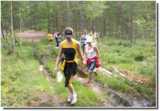 |
The Zaļais (Green) swamp is a medium swamp in
terms of the national park, and it used to be a place
where peat moss was extracted (those areas are flooded
now). In the North it links to the Čaukciems swamp. The
swamp is to the Southwest and West of the Green
Dune.
|
|
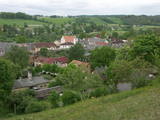 |
The Wine Hill of Sabile has been known since the age of the Duchy of Courland as the northernmost place where grapes were grown to produce more or less sour wine for the duchy. A wine festival has been held each year during the latter half of July in Sabile since 1999. The hill offers an excellent view of the small town that is on the banks of the ancient Abava River Valley. |
|
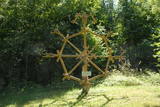 |
Folkloras taka "Jāņkalni" iepazīstina ar mūsu senču rakstiem, zīmēm un dievībām, kas ir mūsu folkloras mantojums. Folkloras takas (garums: apm. 1,5 km vai 2 stundas) mērķis ir arī iepazīstināšana ar senlatviešu ieražām, folkloru, kā arī tautu dainu izprašana. Piedāvā iziet Latvijas karti - labirintu ar 19 etnogrāfiskajiem novadiem. Gids Jums sniegs izsmeļošu stāstījumu un atbildes uz interesējošiem jautājumiem.
|
|
 |
A pavilion and rotunda on the Island of
Love, designed in the style of Classicism in
1928. There was once a boat pier here. The
object is run down and dangerous for visitors,
but there are plans to restore it.
|
|
 1 day
|
The smoke sauna is an important part of everyday life in the Võru community in Estonia. It is the centre of a rich set of traditions including the actual bathing customs, the skills of making bathing whisks, building and repairing saunas, and smoking meat in the sauna. The sauna is a building or room heated by a stove covered with stones and with an elevated platform for sitting or lying. It has no chimney, and the smoke from the burning wood circulates in the room. People usually go into the sauna together and remain until they are sweating. Water is thrown on the heated stones to produce hot steam-laden air and bathers beat their bodies with whisks to remove dead skin and stimulate blood circulation. After sweating, whisking, relaxing and possible healing procedures, people cool themselves outside and rinse their bodies with water. The procedure is then repeated. The smoke sauna tradition is primarily a family custom, usually practised on Saturdays, but also before major festivals or family events. Its main function is to relax the body and mind. Families take turns hosting each other. Usually an older family member is responsible for preparing the sauna, accompanied by the children who gradually acquire the necessary skills. The smoke sauna tradition is part of the UNESCO Representative List of the Intangible Cultural Heritage of Humanity. |
|
 3 days
|
This is the most challenging Forest Trail section, especially on the second day. Here, on the coast of the Gulf of Finland, rises the North-Estonian Klint – a steep, rocky and forest-covered cliff that stretches non-continuously to Tallinn and further to the islands of West-Estonia. The Forest Trail runs on top of the cliff and occasionally descends into valleys. It crosses the deep and vast Pühajõgi valley in Toila-Oru park and comes to Toila, a popular coastal resort. One of the most unusual sections of the Forest Trail in Northern Estonia, which leads along the foot of the impressive North-Estonian Klint in good weather, then climbs to the top of the klint in the villages of Valaste and Saka, revealing breathtaking views of the Gulf of Finland. |
|
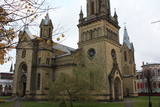 |
Atrodas starp Kr. Valdemāra un Kuršu ielām. Viena no iespaidīgākajām un greznākajām pilsētas celtnēm, kas būvēta neoromantikas formās. 19. gs. beigās katoļu draudze nevarēja saņemt atļauju jauna dievnama celtniecībai, tādēļ uz vecās ēkas uzbūvēja jaunu, kur vecā baznīca tapa par lielākās ēkas sānu kapelu. Baznīcas sienas un koka griestus rotā attēli ar Bībeles sižetiem. Dievmātes kapelā saglabājies mazās baznīcas (no 18. gs.) centrālais altāris. Baznīcas griestos ir iekārts burinieka modelis, ko dāvinājuši vētras laikā izglābušies jūrnieki. |
|
 10 days
|
During this trip you will visit the workshops of craftspeople, farms that breed horses, as well as various destinations where you can enjoy country goodies. Ancient skills are now a modern application. First you will stop in Ikšķile, and at the very beginning of the trip, you will visit a cellar that stores birch juice wine and taste sparkling wine. In Skrīveri, you will be surprised by the transformation of milk. A cosy café on the main street of the small town offers outstanding homemade ice cream featuring strawberry, anchovy and horseradish flavours. In Koknese, you can supplement your wardrobe with a new leather belt, bag or stylish leather jewellery. A farm that grows hemp will offer a small tour, as well as hemp delicacies. The work of black ceramics masters in Latgale fits into modern interiors. The Aglona Bread Museum offers a chance for visitors to bake their own loaf of bread. The visit to the next farm will allow you to add tasty cheese that has been made from milk from Latvian brown cows. The last stop in Latvia will be Daugavpils, which features an art centre featuring the work of the globally known abstractionist Mark Rothko, as well as the Daugavpils fortress, that was built in the 19th century and is an impressive military building. This is one of the most popular tourist destinations. From there you will travel to Lithuania, where you will visit several traditional farms. The Ilzenbergo Dvaras estate has a bio-dynamic farm. You will taste Lithuania's national sweets which are called šakotis. You will visit the town of Anykščiai, which offers a hike along a trail that is above the trees. A horse museum offers a look at old farm equipment. Next you will visit farms that will inform you about traditional Lithuanian cuisine and the work of potters. The Dubingiu horse farm offers horseback rides. At the conclusion of the tour you will visit the unique Trakai lake castle (14th and 15th century), as well as Vilnius. |
|
 |
Redzamas pa lielu gabalu Vecumnieku – Skaistkalnes un Stelpes ceļu krustojuma tuvumā. Šīs Holdandes tipa vējdzirnavas uzcēla 1903. gadā. Sākot ar 20. gs. 30. gadiem dzirnavas darbojas ar elektrības palīdzību. Līdz mūsdienām ir saglabājušies vējdzirnavu vēsturiskie mehānismi. Kādreiz daudzie vējdzirnavu stāvi bija raksturīga Zemgales vēsturiskajam novadam, ko pamatoti dēvē par Latvijas „maizes klēti”. Diemžēl līdz mūsdienām ir saglabājušies tikai daži. Šīs vējdzirnavas ir apskatāmas tikai no ceļa malas.Ap 8 km rietumos (Iecavas virziens) redzamas vēl vienas – Kāravu vējdzirnavas. |
|
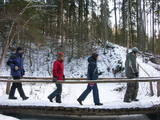 |
The beginning of this circular trail can be found at the Krimulda church – the oldest in Latvia. In one direction, the tourist will pass along the banks of the little Runtiņupīte river (Runtiņš) to the place where it flows into the Gauja river. Among the points of interest along the way are the parsonage of the church, the Kubesele castle hill, a memorial to the Livonian chieftain Kaupo, the Kubesele cave, the Saulstari rock, the “Great Rock”, ancient anchor blocks, ancient graveyards, a unique labyrinth, etc.
|
|
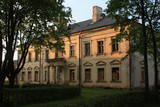 |
Atrodas Viļānu dienviddaļā, Maltas upītes krastos, kuras tecējumu pārtrauc Viļānu HES. Par muižu atrodamas ziņas jau no 15. gs. beigām, kad tā piederēja bruņiniekam J. Loem. Līdzīgi kā Vidsmuiža, arī šī bija viena no Latgales lielākajām muižām, kurai piederēja zemes > 49 000 ha platībā. 18. - 19. gs. mijā ap muižu sāka veidoties Viļānu miests. Muižas dzīvojamo ēku, kas apskatāma tikai no ārpuses, ieskauj parks. |
|
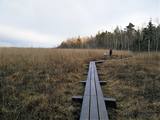 |
Taka atrodas Riekstusalas pussalā, netālu no putnu vērošanas torņa. Uz peldošiem pontoniem celtā laipa iepazīstina ar Kaņiera ezeru „tuvplānā”. Var iepazīt niedrājus, to putnus, labi redzamo ezera gultni ar zivju mazuļiem un kalcifilām augu sabiedrībām. Laipa aizved līdz salai, uz kuras aug kadiķi. |
|
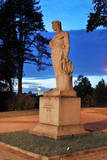 |
This 1939 monument was designed by Kārlis Zemdega and is dedicated to Agriculture Minister Arturs Alberings from the first period of Latvian independence. The monument shows a young man with a grain basket. The monument disappeared during the Soviet occupation, and a gypsum statue of a Pioneer was installed instead. In 1977, children found some parts of the old sculpture buried in the ground, and 10 years later someone found the head of the monument. After a restoration, the Sower sculpture is now in its historical location – in the Terneja Park alongside Rīgas Street. |
|
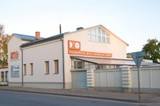 |
This centre is a workshop for eleven potters, including some from the “Potters School.” The centre offers various activities, including master classes, demonstrations of pottery work, and exhibitions of finished products. You can commission products or buy new ones. |
|
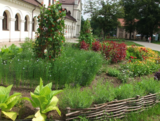 |
The only school-based botanical garden in Lithuania was planted in 1989 at the Traupis school. More than 8,000 types of plants grow in the garden, and all of them have been collected by Sigutis Obelevičius. |
|
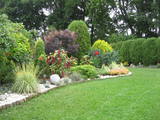 |
You will feel the beauty, power and energy of nature here, ensuring harmony with nature and a good sense of the energy of rocks, plants, Latvian plants and underground streams. Rocks here decorate the garden, which offers a good view of the sea and a cascade of waterfalls that are delightful in the spring and the fall. During the summer, it is a rock river. The site is one km to the north of the bus stop in Tūja and has 28 types of coniferous trees, 14 decorative shrubs, 13 kinds of rhododendrons, and winter plants. The interesting collection of stones may mean that there is an energy field, and the garden is quite esoteric. The rocky seashore of Vidzeme is nearby, and the garden has received many prizes from the Salacgrīva Administrative District and Latvia as such. |
|
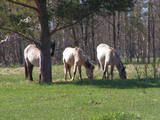 |
Für den Zweck der Bewirtschaftung der Niederungsauen des Pape-Sees und der Vermehrung der biologischen Vielfalt sind hier Konik-Wildpferde angesiedelt wurden. Die kann man mit einem örtlichen Guide kennenlernen. |
|
 |
The garden is opposite the Brenguļi brewery, where unfiltered and unpasteurised beers are made from locally grown grains and on the basis of the knowledge of ancestors. The beer garden offers light and dark Brenguļi beer, as well as Latvian dishes. Latvian cuisine: Grey peas with bacon, sausages with cabbage, Rūjiena ice cream. |
|


