
| No | Name | Description |
|---|---|---|
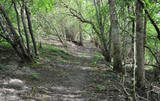 |
4 km garā un marķētā taka iepazīstina ar dziļo Imulas ieleju – Abavas kreisā krasta pieteku. Īpaši iespaidīga ieleja izskatās bezlapu periodā, kad ir apjaušami tās izmēri un formas. Vēstures cienītāji var upes gultnē uzmeklēt Langsēdes Velna pēdas akmeni. Atrodas dabas parkā „Abavas senleja”. |
|
.JPG?size=160) |
The saloon is the Latvian Open-Air Ethnographic Museum. It is an historical saloon that was transported to the museum from Vecumnieki, preserving the smokestack, bread oven, etc. Dining can be accompanied with demonstration of crafts and performances by local musical groups. Latvian weddings are organised here, as well. Latvian cuisine: Sprat sandwiches, lampreys, stuffed pike, a dish of three types of onions, bull testicles in a creamy sauce, grilled piglet, homemade country bread, soup cooked on a campfire, pancakes. Special foods: Priede saloon roast in loganberry marinade. |
|
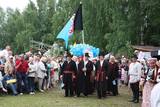 |
Mulgima or Mulgi is a cultural and historical region in the south of Estonia. The part of Viljandi county located south of the rivers Raudna and Tenasilma was considered to be region of Mulgimaa. In ancient times, Mulgi farmers were famous for their sharp minds and determination, which helped to buy land from German-Baltic nobles and become rich farmers. The icons of Mulgi culture - the dialect, the well-known men's long black jacket and the traditional Mulgi porridge - have survived to this day. |
|
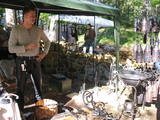 |
The workshop offers a look at lanterns, candelabras, hinges, fireplace tools, stair railings and gates that have been manufactured there, as well as several exhibits from the 18th century. You can produce your own nail, and the blacksmith will also “test” young couples. He also accepts orders for products. |
|
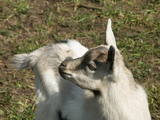 |
The farm breeds goats and uses goat milk to produce cheese and other products. A presentation hall offers visitors a chance to taste ice cream made of goat milk, as well as purchase goat-related souvenirs and other products. There are tours of the farm, too. |
|
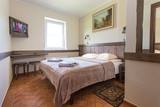 |
Viesu nams "Igne" ir vieta, kur palikt uz vienu nakti vai apmesties uz ilgāku laiku. Tā atrodas netālu Druskininkai Jaskoniai ciematā, tikai 4 km attālumā no pilsētas centra, taču tā ir klusa vieta prom no pilsētas burzma. Iespēja uzņemt līdz 50 cilvēkiem istabās ar labierīcībām. Apmeklētāju ērtībai augstas klases restorāns "Romnesa", omulīga sauna, bezmaksas autostāvvieta un bezvadu internets. Piemērota vieta konferencēm, semināriem, privātiem un korporatīviem pasākumiem. Tiek piedāvātas izglītojošas meistarklases šakotis gatavošanā, Šakotis muzeja apskate. |
|
 |
Zemnieku saimniecība "Sprogas" ir Tīcu ģimenes dārzkopības uzņēmums, kura saknes veidojušās 90-to gadu sākumā, bet strauju attīstību tas ieguvis pēdējo desmit gadu laikā. Jau iepriekš "Sprogās" saimniekots ar vērienu – audzētas zemenes, narcises, lefkojas. Saimniecības vadītājs Ivars Tīcs darbošanās prieku dārzniecības jomā mantojis vairākās paaudzēs. "Sprogas" nodarbojas ar vasaras puķu stādu, augļu koku, dekoratīvo stādu, augļu un ogu audzēšanu. |
|
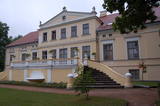 |
The residential building of the manor house was built in the 19th century. In 1932, so neglected manor house was bought by the Latvian press king A. Benjamiņš. Nowadays, the manor house is owned by the Benjamiņi family again and there is located a photo exposition of the private life and travels of A. Benjamiņš. |
|
 |
The pub is located in a wooden log building and situated in the suburbs of Sigulda, allowing one to feel the Latvian spirit in the interior and enjoy Latvian-style dishes. The pub has maintained the traditions and quality of Latvian cuisine. Latvian cuisine: Sauerkraut soup, filet of pike-perch, pike cakes, pork tongue, pork ribs, homemade steak haché, potato pancakes, stacked rye bread, rye bread baked in honey, baked ap.ple, homemade ice cream. Special foods: “Steak a la Bucefāls,” “Ice cream a la Bucefāls”.
|
|
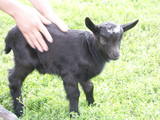 |
The farm breeds goats and grows vegetables. You can take a tour, help to milk the goats, and taste and country goodies such as cheese, bread and pierogi. You can also help to make cheese. |
|
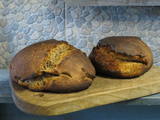 |
Sweet and sour rye bread is baked here on the hearth of a wood-fired oven, following an old family recipe and using home-grown, historical varieties of rye flour. The dough consists of rye or barley flour, salt, sugar, caraway seas and natural yeast. You can help to bake the bread, taste and buy it, and tour the farm’s museum. The farm grows its own grain in an environmentally friendly way. Available for purchase: sweet and sour rye bread, sweet and sour rye bread with peas, garlic, seeds, hemp, or without sugar. |
|
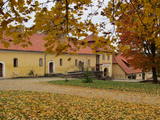 |
The estate in Milzkalne that is along the banks of the Slocene River dates back to the 15th century, when it was built as a closed complex for the Livonian Order. It is the only fortified estate of its type to have survived to the present day, and it was once used as a hiding place for aristocrats during an attack. The gate towers with their ornate weather vanes were built in the late 17th century, and the ancillary buildings date back to the 18th and 19th century. A brick wall with firing apertures survives. The Latvian Road Museum is in one of the wings of the complex, while the former mansion offers accommodations, tours and tastings of local goodies. |
|
 |
Pilsētas aizsargdambi upes labajā krastā (1830. - 1841., autors kara inženieris P. Meļņikovs) cēla ar mērķi aizsargāt pilsētu no applūšanas. Dambis stiepjas 5,6 km garumā. Pēc 1922. g. postošajiem plūdiem uzsākta aizsargdambja celtniecību arī Daugavas pretējā - kreisajā krastā. |
|
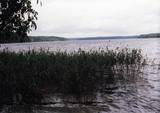 |
Ap 9,5 km garais un līdz kilometru platais ezers atrodas subglaciālā – t.i. ledāja veidotā vagā, tādēļ tas ir ne tikai Lietuvas, bet arī otrs Baltijas dziļākais ezers (pēc dažādiem avotiem 60,5 m vai 62,5 m). Tauragna dienvidu krastā paceļas Taurapils pilskalns (Taurapilio piliakalnis). Saglabājušies nostāsti gan par pagānu priesteri, kas te dzīvojis, gan nogrimušu baznīcu, gan laikiem, kad pilskalnu no visām pusēm apņēmis ūdens. No pilskalna plakuma paveras visaptverošs skats uz Tauragnu. |
|
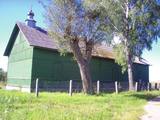 |
Kampišķi Old-Believers Prayer House was reconstructed in 1931
by architect V. Šervinskis. The building is very high and spacious; has two cells and a rectangular belltower with the cross on the top.
|
|
 |
The oldest building in Jēkabpils can be found at Brīvības Street 125A. It is in the city centre and worth a look. The building is near the Lutheran Church of St Michael in Jēkabpils, which dates back to 1769 and is owned by the local congregation. The wooden building was erected in 1808. |
|
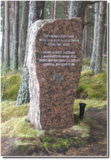 |
A memorial to Finnish soldiers in
Klapkalnciems – five such soldiers from
World War I are buried here. The memorial
was first installed in 1929, but it was
destroyed by the Soviet authorities. It was
recreated in May 2004. The Lapmežciems
Museum features photographs and more
information about the Finnish soldiers.
|
|
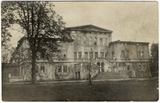 |
Muižas ansamblis veidots 19.gadsimtā, tās arhitektūrā atspoguļojās vairāku eklektisma formāli stilistisku virzienu uzslāņojumi, taču dominējošais bija baroka stils. Tā bija grāfa Kazimira Plātera-Zīberga (1808-1876), vēlāk grāfa Fēliksa Konstantina Plātera-Zīberga (1847-1928) rezidence. Pils un daļa saimniecības ēku tika iznīcinātas pirmā pasaules kara laikā, krievu armijas lielkalibra artilērijas apšaudes gaitā. Pārpalikušās drupas laika gaitā tika nojauktas. Līdz mūsdienām saglabājušies vārtu stabi, kas ir apmierinošā tehniskā stāvoklī. Muižā bijusi arī grāfa Zīberga 1697. gadā celta mūra kapela ar altāri un skaistām gleznām. Dievkalpojumus esot noturējis Ilūkstes prāvests. Bijušie īpašnieki: 18. gadsimtā barons A. Plāters-Zībergs, Kazimirs Plāters-Zībergs (1808-1876).
|
|
 |
Atrodas Zebrus ezera austrumu krastā pie Latvijas Valsts mežu laivu bāzes. No torņa labi pārskatāms Zebrus ezers, ziemeļu virzienā – Ezerlūķu pilskalns. Laivu bāzē – atpūtas vietas. |
|
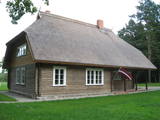 |
“Airītes” is a museum found at the place where the first commander of the Latvian Armed Forces, Col Oskars Kalpaks and other Latvian soldiers (including three officers) fell during a battle on March 6, 1919. The public donated money in 1920 to build a monument, and it was unveiled on September 3, 1922. In 1935, work began on a building that was proposed by the Col Kalpaks Battalion organisation, the plan being to exhibit items related to Kalpaks’ battles. It was opened a year later. The monument was destroyed during the Soviet era, and the building housed a post office and some flats. The memorial was restored during the national Renaissance in 1988 and 1989, and on November 11, 1990, the museum was reopened. During renovations in 2007, the second floor burned down. The museum and exhibition were renewed in 2013. The exhibits speak to Kalpaks’ life during World War I and Latvia’s liberation battles. Employees regularly organise commemorative events in honour of Kalpaks, as well as celebrations of Lāčplēsis (Veterans’) Day. |
|


