
| No | Name | Description |
|---|---|---|
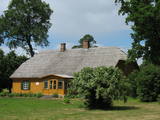 |
The Lejenieki homestead is 1.1 km north of Bangas. Vilis Plūdons (1874-1940) was an outstanding Latvian poet, a representative of the style of National Romanticism, and a schoolteacher. His real name was Vilis Lejnieks, and he was born in at the Lejenieki homestead in the Bauska region. His father was Jānis Lejnieks. As a boy, Vilis was enchanted by fairy tales told by his granny and by folk songs that she sang. Plūdons is buried nearby in the family cemetery. Lejenieki offers an exhibition about the poet’s life and work. The local sauna features sculptures of rabbits, thus recalling Plūdons’ poem, “Rabbit Sauna.” |
|
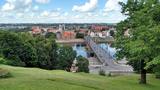 |
The second biggest city in Lithuania and from 1920 – 1939 - a temporary capital. The Old Town, The Town Hall (16th century), St. Peter and Pavil cathedral - basilica (15th century), Thunder building (15th century), Laisves alley, Ciurlionis Art and Devil Museum. |
|
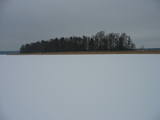 |
There are six islands in the Great Baltezers lake – the Auzu, Priežu, Mazā, Liepu, Ropažu and Meldru islands. These are distinguished by a great diversity of plants, including forests of broadleaf trees, black alders and pines. The territory can be surveyed quite well from the side of the Ādaži Lutheran Church. The Great Baltezers lake is a popular place for fishing, including ice fishing during the winter.
|
|
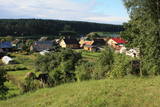 |
Karņicka kalns pēc savas izcelsmes nav kalns, bet gan Daugavas ielejas nogāzes daļa ar labu skatu uz Krāslavas mazstāvu koka apbūvi. Ar šo vietu saistīts traģisks nostāsts par poļu virsnieka Josifa Karņicka un grāfa Plātera meitas mīlestību, kurai nebija lemts piepildīties tā laika „paražu” dēļ. Tā rezultātā abi nelaimīgie nolemj izdarīt pašnāvību. Virsnieks nošaujas, bet Emīliju pēdējā brīdī izglābj kalpone, neļaujot tai izlēkt pa pils logu. J. Karņicka pašnāvības vietā ir uzstādīts piemineklis. Nedaudz tālāk – rietumu virzienā guļ t.s. Austriņa akmens, pie kura 1909. gadā iedvesmojies un radījis latviešu rakstnieks Antons Austriņš. |
|
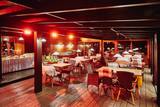 |
The restaurant is at the edge of the Vidzeme Highway (A2). It is a lovely log building with a straw roof and an antique interior. Dishes are based on ancient traditions merged with the requirements of modern clients. Latvian cuisine: Cold soup, dumpling soup, grey peas with bacon, wheat grain porridge, lampreys in mustard sauce, pike-perch grilled on coals, roast pig’s ear, roast pork leg, chicken livers in a creamy sauce, stacked rye bread, cottage cheese dessert with cranberry sauce. |
|
 |
The restaurant is situated on the premises of the hotel Kolonna Hotel Rezekne, which is situated in the very centre of Rezekne city, on the bank of the Rezekne River. The restaurant has an attractive interior design. A summer terrace offers a view of the promenade along the Rēzekne River. Guests are offered ancient Lettigalian dishes made from local ingredients. |
|
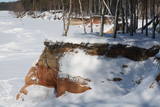 |
This is the most impressive and colourful set of cliffs along the Vidzeme coastline. Waves have created the steep shore that is as much as 6 m high, with several hundred meters of red sandstone cliffs with narrow caves, niches, grottos and other formations. The nearby Veczemu farm is where the Rīga Film Studio shot the films “Long Way into the Dunes” and “The Nest of the Old Fisherman.”
|
|
 4 days
|
Participants in this tour will learn about Latvia’s most modern crop farms that are typical in Zemgale. During the first day, participants will meet with specialists from the Latvian Agriculture Ministry and agricultural NGOs. They will also tour Rīga, which is part of the UNESCO List of World Heritage, and the Rīga Central Market, which is one of the largest closed markets of its type in Europe. Participants will visit a health food store and have dinner to enjoy traditional Latvian foods and beers. The next day we will go to Jelgava, where the 18th-century castle of the Duchy of Courland and Zemgale will host a meeting with faculty members from the Latvian Agricultural University, which is housed in the palace. We will visit a biologic bakery, as well as a farm that engages in crop farming, livestock breeding and manufacturing of biogas. An artificial wetland is used to purify runoff water. Dinner will be served at a modern leisure complex. On the third day, we will visit one of the largest multi-sectoral farms in Zemgale. It specialises in plant farming, livestock breeding, horse breeding, biogas manufacturing and beer brewing. During the afternoon, we will visit the largest and technologically most modern grain farm in the region, after which we will tour the most outstanding castle in the Baltic States – the Rundāle Castle. Built as a summer residence for Duke Ernst Johann Bieron, the castle was designed by the distinguished Italian architect Francesco Bartolomeo Rastrelli. Dinner will be served at a venue that has an historical windmill and an exhibition related to grain farming. On the morning of the fourth day, we will visit a farm that grows grains for seed, and then a biological farm that produces wheat, barley, peas, beans, rapeseed, herbs and herbal teas. Lunch will be served at a farm that will offer dishes made of home-grown grains and rough-milled flour. Then we will return to Rīga. |
|
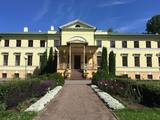 |
The Naukšēni People’s Museum, where we tell intelligent people about those who were born at the NAUKŠĒNI DISCO, arrived here and stayed here. We’ll look at how they talk, sing, think and love. |
|
 |
Vecpiebalgas vecajos kapos (Vecpiebalgas austrumdaļā, pa ceļam uz "Saulrietiem" un "Vēveriem") apskatāms piemineklis, kas veltīts brāļu Kaudzīšu romāna "Mērnieku laiki" personāžam - Lienai. Piemineklis uzstādīts 1987. g. (tēlniece M. Baltiņa). Pirms ceļojuma atkal ir jāpāršķirsta "Mērnieku laiki"! |
|
 |
Guides will offer you a tour during which you can watch red deer, fallow deer and wild sheep. You will learn about the specifics of breeding them. The farm engages in selection, as well. |
|
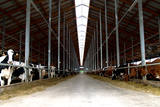 |
AS Agrofirma Tērvete is the largest multi-sector farming company in Latvia, operating in crop farming, dairy farming, horse breeding, public dining, biogas manufacturing and brewing of beer. Visitors can tour a brewery and the farm. The brewery produces popular Tērvete beer and kvass. Visitors can taste the products and take a small tour of the facilities. All of the types of beer can be tasted with delicious snacks. The Tērces farm is a dairy farm with modern technologies and 3,000 dairy cows. Visitors can tour the facility and have lunch at the company’s dining hall. |
|
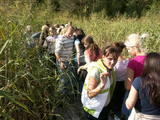 |
Kaut arī Augštaitijas nacionālo parku uzskata par floristiskā ziņā ļoti bagātu teritoriju, šī ir vienīgā vieta, kur varam iepazīt augu valsts bagātību. To īstenot palīdz takas malās izvietotie informācijas stendi. 3,8 km garās lokveida takas sākums ir meklējams Palūšē, Lūšu (Lūšiai) ezera galējā austrumu punktā. Taka ved gar ezera krastu, mežainām kāpām, nelielu strautu ielejām un pa purvāju. Nenomaldīties palīdz krāsu marķējums uz koku stumbriem. |
|
 1 day
|
Tūrisma gide Ineta Jansone piedāvā ekskursijas grupām uz Melnalkšņu dumbrāja laipu. Melnalkšņu dumbrāja laipa ir viena no īsākajām un interesantākajām takām Ķemeru nacionālajā parkā (600 m). Melnalkšņu dumbrājā Vēršupītes krastos novērojami dabiskam mežam raksturīgi elementi – jauni, kā arī veci un dobumaini koki, kritalas, sausoņi, ciņi. Daudzveidīga ir meža putnu fauna. Jebkurā gadalaikā melnalkšņu dumbrājs ir īpašs. Taču visā krāšņumā dumbrājs atklājas tieši pavasarī. Vēršupītes pālu laikā ūdeņi pārklāj lielāko dumbrāja daļu, bet visapkārt zied zeltainās purenes, gaiss vibrē no putnu dziesmām un dzeņu bungošanas. |
|
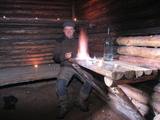 |
Metsavenna Farm organises forest brethren (or brothers) expeditions for visitors to search out forest brothers in their hideouts, visit an underground bunker, hear true stories of life after WWII, have a taste of home-brew and sing old songs along with the master. The more adventurous can stay a night in the bunker, while in winter a sledding hill is opened for snowy downhill rides. |
|
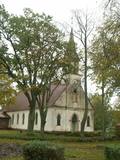 |
An ancient territory inhabited by Livs already since the 5th – 6th century. In 1226 Bishop Albert built a castle on the right bank of Salaca river estuary, which has not been preserved until now. Salacgriva development also (similar to Ainazi) has been associated with the establishment of the port in the turn of the 19th – 20th century. Salacgriva became an important handling and transport hubs of products manufactured in Northern Vidzeme (especially timber). During the Soviet period, in the Northern part of Salacgriva established the Fishermen Park with one of the best small town stadiums and open air stage. During that time, the products of fish processing plant "Brīvais vilnis" was well known in the territory of USSR - especially sprats. Salacgriva is one of the two places in Latvia, where the weirs are still used for lamprey fishing. |
|
 12 days
|
This route includes some of the most authentic experiences that can be found in the regions of blue lakes in eastern Latvia and Lithuania. No masses of tourists are here, and local residents are sincere and hospitable. You will find traditional villages, many religious objects and farms that represent agricultural heritage. You will ride through the Rāzna National Park, which is alongside the lovely Lake Rāzna. You will visit traditional farms and ancient castles, as well as the Aglona Basilica, which has been a destination for pilgrims for many years. There is also a bread museum in Aglona. From there you will ride through Daugavpils, which has an impressive 19th century fortress that includes the Mark Rothko Art Centre. Along the way you will find potteries where traditional ceramics are offered. You will learn more about breeding horses and cows, as well as about how traditional cheeses are made and herbal teas are prepared. Next you will ride through the Aukštaitija National Park that is on the border between Latvia and Lithuania. You will see ethnographic villages with wooden castles, as well as many lakes. It is worth visiting the Stripikiai Beekeeping Museum, the local open-air art museum, as well as the European Centre. To be sure, you will enjoy local Lettigalian beer, as well as zeppelins, which are a traditional dish in Lithuania. |
|
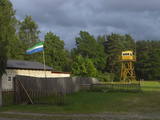 |
This coast guard facility was housed in a building that used to be a maritime school. In the post-Soviet era, accommodations were offered at the building. The coast guard tower is one of the best-preserved objects of its kind along the Latvian shoreline.
|
|
 |
Sens pilskalns Abavas kreisā senkrasta nogāzē. Pēc sena nostāsta zviedru karavīri ar savām cepurēm to sabēruši virs sava ģenerāļa kapa. Tagad Zviedru cepures apkārtnē ziemā var braukt pa kalnu slēpošanas trasēm, bet vasarā – ar rodeļiem.
|
|
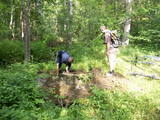 |
The remnants of the Vardīte sulphurous
spring – not easy to find, but the location is
between the Forest House and the Ķemeri
Hotel.
|
|


