
| No | Name | Description |
|---|---|---|
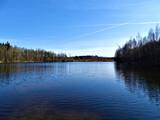 |
Neskartu mežu cienītāji var doties izpētīt Plakanciema puses mežu takas. Braucot no Plakanciema pasta nodaļas Mellupu virzienā pa autoceļu V7, pēc aptuveni 1 km jānogriežas ceļā pa labi. Tālāk jādodas uz priekšu vēl 1,2 km. Maršruta sākums - iepretī mājām “Putriņas” ceļa kreisajā pusē, kur sākas meža ceļš. Sākumā maršruts ved pa taisnu meža ceļu. Pēc 500 m nonākam pie ūdenskrātuves (karjera). Šeit ir iespēja doties vai nu gar vienu ūdenskrātuves krastu, vai gar otru. Abās pusēs var aiziet aptuveni līdz ūdenskrātuves pusei un tad griezties atpakaļ. Krastā augošos kokus iecienījuši bebri. Ūdenī peldas pīles, meža ceļa malā vairāki skudrupūžņi, no sakritušo pērno lapu apakšas lien ārā zaķskābenes. |
|
 3 days
|
The Suiti are a community with among the most colourful and unique cultural traditions in Kurzeme and Latvia. This was confirmed on October 1, 2009, when the cultural territory of the Suiti was included in the UNESCO list of global intangible cultural heritage, thus indicating that the traditions must be preserved. The Suiti territory is also on the list of folk traditions that is part of the Latvian Cultural Canon. Manifestations of this intangible cultural heritage include traditional festivals, habits, oral traditions, traditional singing and musical skills, folk costumes and culinary traditions. Since 2009, the Suiti community has been undergoing a renaissance, with people actively working to restore traditions and ensure their sustainability and promotion at the local, national and international level. The survival of the cultural territory is in the hands of the Suiti themselves, and this is closely linked to the practices and the creativity of community representatives. The Suiti believe the development of tourism in their area to be of great importance in this. This means emphasising a niche in cultural tourism that is based on the broader promotion of the unique cultural heritage of the Suiti. |
|
 |
The cafe is situated in the centre of Talsi. |
|
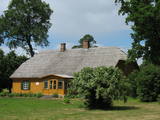 |
The Lejenieki homestead is 1.1 km north of Bangas. Vilis Plūdons (1874-1940) was an outstanding Latvian poet, a representative of the style of National Romanticism, and a schoolteacher. His real name was Vilis Lejnieks, and he was born in at the Lejenieki homestead in the Bauska region. His father was Jānis Lejnieks. As a boy, Vilis was enchanted by fairy tales told by his granny and by folk songs that she sang. Plūdons is buried nearby in the family cemetery. Lejenieki offers an exhibition about the poet’s life and work. The local sauna features sculptures of rabbits, thus recalling Plūdons’ poem, “Rabbit Sauna.” |
|
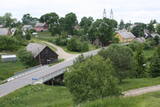 |
Pirmo reizi vēstures avotos 1253. g. šī vieta ir minēta kā kuršu apdzīvota apmetne. Laikā no 1637. – 1639. g. te uzcēla pirmās 19 kapelas – t.s. „Krusta ceļa stacijas", kas atgādināja Jeruzalemes Krusta ceļu. Kopš tā laika Žemaišu Kalvarija ir pazīstama kā nozīmīgs svētceļnieku galamērķis. Dažas no Krusta ceļa kapelām ir veidotas 17. – 18 gs., bet citas – 19. gs. Jāatceras, ka vēl pavisam nesen – Padomju laikos svētceļniekus nežēlīgi vajāja un represēja. Mūsdienās pilsētā ir izveidots 21 svētceļnieku „pieturas punkts". Te ik gadu (parasti no 2. – 12. jūlijam) notiek Žemaišu Kalvarijas katoļu draudzes svētki, kas pulcina daudz ļaužu no dažādām Eiropas valstīm. Iespaidīgā katoļu bazilika ir slavena ar Vissvētākās Jaunavas Marijas Katoļu Ģimeņu Karalienes gleznu, kas 17. gs. atvesta no Romas. Tai piedēvē brīnumdarītājas spējas. Interesants ir pilsētas ielu tīklojums, kas atgādina 9. – 13. gs. apdzīvotas vietas ielu plānojumu. Noteikti apskatāms iespaidīgais Žemaišu Kalvarijas pilskalns, kas slejas mazās Varduvas (Varduva) upītes krastā. |
|
 |
Der Stützpunkt des Livländischen Ordens. Der Bau der Burg war eine Strafe für Ortsbewohner. Die Burg wurde nach dem Befehl des Dänischen Königs Frederik der II 1576 vernichtet. |
|
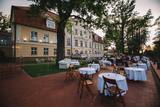 |
The restaurant is located in the Mālpils manor building that was renovated in 2008 and is a classicism architectural monument of the 19th century. The restaurant's menu changes and is updated according to the season. Combination of exquisite flavour nuances with an elegant manor interior. |
|
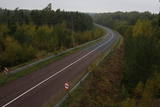 |
This is the ancient shore of the Baltic Ice Lake. We can only imagine the landscape 10,000 years ago, when the Kurzeme peninsula was covered with vegetation reminiscent of a tundra, and waves from the icy lake dashed against the ancient shoreline. We know that the lake was full of icebergs of various sizes. Today the cliff is more than 20 km long (some 9 km of it are in the Slītere National Park), and it is as much as 42 m high. It is the most impressive cliff of its type in all of Latvia. At the foot of the cliff are the Irve flatlands (the name comes from the Liv 'īrva' or 'īra', both of which refer to deer). The flatlands are the former bottom of the Baltic Ice Lake. The Blue Hills are crossed by many small streams and rivers (Pitragupe, Lorumupe, Kaļķupe, Mazupe, etc.). Their valleys are the basis for a branched and very complicated system of waterways which look particularly impressive when the trees are bare. In many places the cliffs and valleys display small areas of sandstone from the Narva suite. These are Latvia's oldest sediment cliffs that can be seen above ground. Although the Blue Hills are very impressive in scope, there are only a few places where there are important viewing areas (a viewing tower at the Dundaga-Mazirbe road, the view from the Šlītere lighthouse, the view from Mežlīdumi). The mightiness of the ancient shoreline can truly be enjoyed from the Cirste-Mazirbe road, the Cirste-Riepaldi road, Mežlīdumi and the Vīdala-Melnsils road). It is worth visiting the area in the springtime, when the slopes of the Blue Hills seem to be sinking under the fresh greenery. |
|
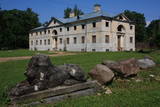 |
Muiža sāka veidoties 16. gs. beigās (īpašnieki - Tīzenhauzeni, vēlāk Bēri), bet no 1753. g. tā kļūst par Mēdemu dzimtas īpašumu. Tagad redzamo muižas pili (mūsdienās tikai atliekas) cēla 1806. - 1810. g. klasicisma stilā (Johana Georga Ādama Berlica projekts) pēc itāļu izcelsmes Pēterburgas galma arhitekta Džakomo Kvarengi meta. Muižas īpašnieks tajā laikā bija Johana Frīdriha Mēdema dēls - Kristofs Johans Frīdrihs (saukts par Žanno). Elejas pilī bija savākti daudzi nozīmīgi Eiropas mākslinieku darbi, kā arī iekārtots izcils interjers. 18 muižas kompleksa ēkas nodedzināja Pirmā pasaules kara laikā (1915. g.) un līdz mūsdienām ir saglabājušies tikai nelieli pils pirmā stāva drupu fragmenti ar kaltiem portika kolonu kapiteļiem, pārvaldnieka māja (apskatāma no ārpuses), atsevišķas saimniecības ēkas un parks. No pils drupām pa aleju var aiziet līdz Tējas namiņam (bēdīgā stāvoklī). 0,5 km ziemeļos no pils drupām atrodas 1912. g. izveidotā Mēdemu dzimtas kapsēta. Elejas pils mūra žoga arkādē iemūrēts dobumakmens. |
|
 |
The owners of Tahku coastal houses organise cucumber marinating and salting workshops with a happy mood. Cucumber festival Tahkuranna takes place every year on 20 August, and there you can buy canned cucumbers, local food and handicrafts, participate in master classes, and also make handicrafts. |
|
 |
Pļaviņās, pie Daugavas ielas, Daugavas krastā uz laukakmeņiem novietots plosta modelis ar stendu (2011. gads, biedrība „Kopsolis”), kur izlasāms stāsts ar plostnieka atmiņām un aplūkojamas vēsturiskās plostnieku fotogrāfijas. Daugavas posms starp Pļaviņām un Koknesi bija visgrūtāk pārvaramais plostnieku šķērslis ar krācēm un līdz 20 m augstiem, klinšainiem upes krastiem. |
|
 |
The Rāmkalni recreation park is located on the side of the Murjāņi-Valka highway (A3), in the Gauja valley. It offers skiing in winter and cycling, boating, and tobogganing in summer. The restaurant and bistro serves both Latvian and Western European cuisine. Various countryside goods can be purchased in the shop. |
|
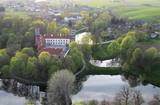 |
Gebaut in 1610, später umgebaut. Eins der hervorragenden Gebäuden Litauens der Renaissance. Eine Ausstellung der Kunstakademie Vilnius. Ein Aussichtsturm. |
|
 |
Одна из самых красивых набережных Латвии. Расположена в северной части Старого города Вентспилса. Началом набережной на улице Остас в восточной ее части служит «Тиргоню дарзс» (здесь же Вентспилсский ТИЦ) и Юракменс. Набережная украшена скульптурами коров, памятниками, фонтанами и цветочными композициями. До середины прошлого столетия на улице Остас находились склады - амбары, часть из которых сохранилась. Напротив замка Ливонского ордена установлен памятник Кришьянису Валдемару. У пристани стоит кораблик «Герцог Екаб». |
|
 |
Meklējamas Lizuma ciema dienviddaļā. Tās ir vienas no retajām vējdzirnavām (1880. g.), kas saglabājušās labā stāvoklī. Mūsdienās dzirnavas ir gleznotājas Ilonas Brektes īpašums. |
|
|
|
Pie Melekiem sākas dabas lieguma teritorija. Meleku
krastmala būtiski mainījās 2005. g. orkāna laikā.
|
|
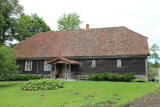 |
The manor is in Basi in the Gudenieki Parish of Kuldīga District, some 20 km from the district centre. The manor was built in the 19th century, burned down in 1905, and then restored. A former residence for servants and an old magazine barn have survived. The surrounding park covers 4.5 ha, and the estate is a cultural and historical monument of local importance. The barn was fully reconstructed in 2009 and 2010 with co-financing from the European Union, and today it is the Basi Culture Centre. In 2019, there is to be an interactive exhibition about Suiti events in Gudenieki -- baptisms, weddings, funerals, etc. |
|
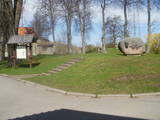 |
This site has a commemorative stone which speaks to Krišjānis Valdemārs’ achievements in the development of the Latvian state. This used to be the location of the Roja or Lubezere maritime school, and the home for teachers is still there. A private medical practice is in the building right now. The maritime school existed from 1873 to 1915 and was wrecked during World War I. The school trained helmsmen for short-distance trips. Tuition was free, and classes were taught in Latvian. Latvian sailors were known in Russia and abroad, including the Americas. They were respected for their serious approach to their work, their honesty and their loyalty. (Source: Roja TIC) |
|
 |
The café is in the centre of Balvi on the side of Brīvības Street (in the direction of Viļaka). It offers homemade dishes and is a popular dining venue. |
|
 6 days
|
You will start your hike from the popular Latvian spa town of Jūrmala. The route is great for those who like to hike along the coastline, with former fishing villages full of unique coastline charm, as well as lonely and seldom visited beaches. Many villages have small smokehouses where dried fish can be bought. Your destination is Cape Kolka, which the father of Latvia’s maritime school, Krišjānis Valdemārs, considered to be the centre of Europe. The cape has been known as a very hazardous shipping route since the age of the Vikings. Cape Kolka is also a fantastic place to watch birds. Route information from Latvijas Lauku forums |
|


