
| No | Name | Description |
|---|---|---|
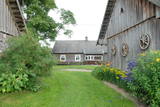 |
The “Gulbji” Selonian homestead is one of the very few places in Latvia where you can see a farm typical of the historical region of Selonia with its typical buildings. “Gulbji” is comparatively far from major roads and populated areas. It is on the so-called Dronku Island, not far from the beginning of the ancient Dviete River valley. The owners of “Gulbji” have collected a wealth of ancient household objects. Visitors can study the farm, examine a collection of medicinal plants, enjoy Selonian foods, or take a “black sauna.” It could be said that people at “Gulbji” have a natural farm which nurtures and maintains the traditions of the historical region. Latvian cuisine: Crepes, grit soup, cream of potato soup, beans sautéed in a special sauce, fruit dessert, bread soup with whipped cream, tortes, herbal teas. Special foods: Zeppelins. |
|
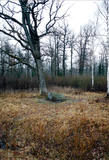 |
This territory was established to protect the lovely central section of the Neries River, local species, and Lithuania’s largest oak forest.
|
|
 |
The former Ķemeri swimming facility used
to have a building of wooden bathtubs in the
19th century. The mud treatment facility which
is designed in the style of Classicism was
erected in 1924. The Ķemeri clinic was opened
here after World War II. A monument to Ivan
Pavlov, a distinguished Russian doctor and
physiologist is on the western end of the ruins,
and no one has taken much care of it, either.
|
|
 |
Located in the
|
|
 2 days
|
Gauja ir Latvijas populārākā ūdenstūristu upe. Laivotājus šeit vilina skaistie smilšakmens atsegumi, upes mierīgais tecējums, dabas un lielā kultūras pieminekļu daudzveidība. Minētajā posmā upe plūst cauri Gaujas senlejai, kas ir viena no iespaidīgākajām Baltijas reljefa formām. Maršruta tehniski sarežģītākā vieta ir Ķūķu krāces, kur nereti gadās pa kādai apgāztai laivai. Lielākais upes kritums ir posmā no Amatas ietekas līdz Līgatnei, tādēļ daudzi braucēji izvēlas Cēsu – Līgatnes posmu. |
|
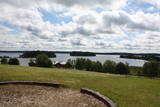 |
This park is located in the northern part of the Žemaitija Highlands, and much of it is taken up by Lake Plateliai. The park was established to protect lakes, rivers, wetlands and forest ecosystems, as well as the local cultural environment.
|
|
 |
A small beer brewery and shop in Lielvārde that organises tastings and offers to taste Latvian delicacies on-site and to purchase them for take away. |
|
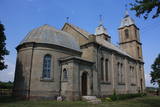 |
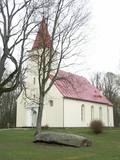
Atrodas nomaļā vietā, 0,7 km no Daugavpils – Krāslavas (A 6) ceļa, Daugavas virzienā. Dievnams celts 1933. – 1938. gadā koka kapelas vietā pēc Prāvesta Vaclava Kozlovska projekta, kurš pats arī vadījis celtniecības darbus. Dievnams celts no lieliem cementa ķieģeļiem. Tā lielajā altārī novietota Svētā Antona glezna, bet sānu altārī – Jaunavas Marijas statuja. Gan glezna, gan statuja ir pārvesta no Izvaltas baznīcas. Ikdienā baznīca apskatāma no ārpuses. |
|
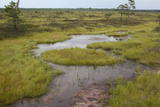 |
Very wide territory for a nature restricted area where extensive forests and several bogs can be found. The territory is important living space for many bird species. Vasenieku bog path with observation tower is the most attractive sites of the restricted area and offers unique landscape of the bog for its visitors. Waterproof shoes are recommended for visitors as the first 500 m of the path is molded turf rampart. Information stands are significant source of information along the path. It is suggested to visit also Stikli (Glass) village where glass factory used to be. Chandelier of Stende church has been made in this factory (by memory of Inese Roze).
|
|
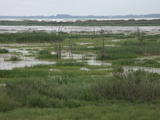 |
The Lake Lubāns depressions which are alongside the lake’s western and south-western parts feature little-changed forests and swamps, where many rare and protected birds nest. Many uncommon and protected habitats are in the region.
|
|
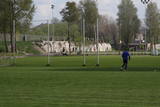 |
A small part of the impressive fortifications of Liepāja, these encircle the city’s perimeter and its shoreline. They’re found at the Olimpija stadium. See also Objects No. 30077, 30078, 30079, 30080 and 30098.
|
|
 |
The Eversmuiža Estate is in the centre of Cibla and is dominated by a 1680 mansion that was built in the style of Classicism and was rebuilt several times later. There is a home for servants, a gatehouse and ancillary buildings that are in poor shape. A stone wall surrounds the park of the estate. Since the 17th century and for nearly two centuries, the estate belonged to an aristocratic Polish family, after it was owned by various others. Today the mansion houses a boarding school and the Cibla Regional Research Museum, which offers tours. A cultural and historical trail runs along the banks of the Ilža River. |
|
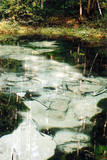 |
Three little lakes can be found on the left bank of the Pirita River with many erupting “eyes” of streams, each with its own colour (bluish-green, white, dark). This puts together various colour combinations. These are often known as the most beautiful streams in Estonia. Some pump out as much as 20-30 litres of water per hour. It is said that the waters are good medical resources, particularly for the eyes. There are improvements in the area of tourists.
|
|
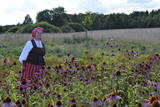 |
The lady of the house greets visitors in a folk costume, offering an educational programme in the local Žemaiši language. She talks about herbal teas and how to find the herbs and brew them. Along with the tea, the lady offers homemade cheese, bread, pierogi and honey. The guesthouse is on the banks of Lake Beržoris, not far from Lake Platelys. The Žemaitija National Park is nearby and easily reached on foot, by bike, by boat or by car. |
|
 |
The cafe is situated in the guest house Zitari on the first floor, in the town of Roja, alongside the road, 500 m away from the sea. |
|
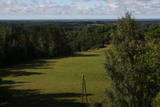 |
This is the highest church tower in Latvia, and from it you can see views of the Alūksne highlands. The view to the South is particularly impressive.
|
|
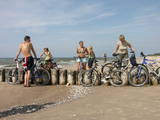 |
The most important aspects of this park are a shallow lagoon-type lake – Lake Pape, with its flood land meadows, the shore of the Baltic Sea, the Nida swamp, and the more than 270 different types of birds that have been spotted here. The oldest bird ringing station in Latvia (est. 1966) is found between Lake Pape and the Baltic Sea. Birds and bats are caught and ringed there. Lake Pape is the first place in Latvia where so-called “wild” horses (the “Konik” breed) were released with the aim of managing the flood land meadows.
|
|
 |
Krodziņš "Rančo" atrodas Rīgas - Liepājas šosejas 136. kilometrā, un saviem apmeklētājiem piedāvā gardus ēdienus un omulīgu atmosfēru. Ēdienkartē iekļauti latviskie ēdieni, ir iespējams pasūtīt banketus. Latviešu virtuve: Skābu kāpostu zupa, skābeņu biezzupa, aukstā zupa, asinsdesa, pelēkie zirņi ar speķi, siļķe ar biezpienu un kartupeļiem, kartupeļu pankūkas, plānās pankūkas. |
|
|
|
This is a site where you can try out ancient weapons – bows and crossbows (a reproduction of items from the 14th and 15th century), throwing an axe (replicas of German axes from the 13th century), and spears. Once you’ve learned how to handle those weapons, you can also forge a copy of a Medieval coin. You can try on copies of armoured caps and gloves and have your picture taken with a sword or battle axe. For larger groups, the enterprise will organise ancient sports and table games.
|
|
 |
The café, located between Talsi and Laidze, on the side of the Talsi-Upesgrīva highway (P127), offers traditional Eastern European lunch and dinner dishes. |
|


