
| No | Name | Description |
|---|---|---|
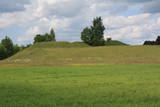 |
This is one of comparatively few castle hills along the banks of the Daugava River that is not overgrown with trees and bushes, which means that it has a classical castle hill form that is part of the local landscape. The Dignāja castle hill was settled during several periods, particularly between the 5th and the 9th century AD, when it was an important centre. Archaeologists have found that Lettigalian tribes lived here. After the Holy Crusade invasion, the Livonian Order built a castle on the hill that has not survived. It is said that there was once an underground passageway under the hill. The hill itself offers a lovely view of the Daugava River valley. World War I trenches have been preserved the area. There was once a settlement at the foot of the hill. |
|
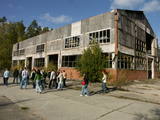 |
By far one of the most impressive Soviet military objects in Northern Vidzeme, this base has now been abandoned. There are buildings, underground bunkers, missile silos, areas of the firing of missiles, etc. This is one of the few remaining places in Latvia where a monument to Lenin still stands. The stone bust once stood in the central square of Alūksne. During the restoration of independence, it was taken down and moved to the missile base. We recommend that you bring a guide with you – otherwise it won’t be worth much.
|
|
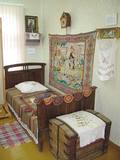 |
The History Museum of Malta. Exposition „History of Malta parish: from
Rozentova and Borovaja to Malta”. We offer household items, tools of trade,
works of art, collection of paper money and coins. Excursion outside the museum
„At the cross-roads of Malta”.
Working hours: Mon– Fri : 9.00 – 17.00, Sat., Sunday : closed |
|
 |
The Freedom Monument is opposite the Krustpils Castle in Rīgas Street. Built in 1925 and restored in 1992 (by A. Birznieks), the monument honours people from Krustpils who fell during Latvia’s liberation battles. There are good views of the Little Daugava, Daugavsala, and the Ādamsona (Krustpils) island. |
|
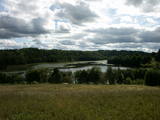 |
Ilziņš jeb Vestienas dzirnavezers pazīstams ar nostāstiem par tajā "periodiski uzpeldošām kūdras salām". Saskaņā ar vietējo iedzīvotāju sniegtajām ziņām, minētā parādība gan sen jau vairs nav novērota. Tajā pat laikā ezers un tā apkārtne ir nozīmīga daudzu aizsargājamu biotopu un sugu dzīves vieta. Ezers ietilpst Vestienas aizsargājamo ainavu apvidū. Ezeru var redzēt, braucot pa Ērgļu - Gaiziņkalna ceļu. Var pakāpties arī blakus esošajā paugurā (ziemeļos no minētā ceļa un ezera), no kura paveras plašāka skatu perspektīva.
|
|
 | ||
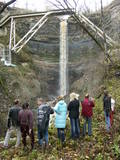 |
This is a cliff with various levels. Known as the North Estonian cliff, it stretches all along the shore of the Bay of Rīga in Estonia, including some of the local islands. The most expressive part in geological and landscape terms is the Saka-Ontika-Toila cliff, which is around 22 km long and offers an unusual natural environment. The cliff is as much as 53 m high, and it has a fairly virginal forest along its slopes. The layers of clay, sandstone, limestone, etc., come from the Cambrian and Ordovician periods. The Valaste juga (Valaste waterfall) is 24 metres high. After a longer period of freezing temperatures, the waterfall has a particularly impressive appearance. Seasonal waterfalls (8-10 m) can be found near the villages of Ontika and Toila.
|
|
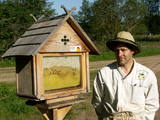 |
The name of the location translates to “Honey Castle,” and the owner has some 300 hives of bees. Honey that he has produced has won a number of prizes. He offers hogweed honey, honeyed local berries, and honey straws for children (the only place in Latvia where these are offered). You can tour the farm, taste ten types of honey, and purchase beekeeping products. “Extreme Beekeeping” is a process which will allow you to put on a beekeeper’s suit to learn about the hard-working insects up close. The owner also produces wax candles. |
|
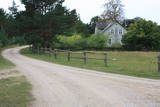 |
This is an ancient populated area. There were 50 homesteads here during the 1930s, with only ten remaining in 1990. The Livonian scholar and entomologist Kārlis Princis (1893-1978) was born in Oviši. In 1944, he emigrated to Sweden. The Oviši lighthouse (1814) is 38 metres high and is the oldest functioning lighthouse in Latvia. There are lovely views from the top of the lighthouse. The building in which employees of the lighthouse used to live was erected in 1905 and has been preserved. A narrow-gauge train station was in the building at one time. The Oviši Lighthouse Museum is nearby, as is the metal Tree of Austra. Opposite Cape Oviši is a great place for bird watching. |
|
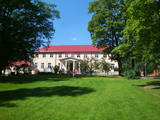 |
Sēļu muiža, par kuru pirmās ziņas saistāmas ar 1561. gadu, ar seno ēku kompleksu un ainavu parku mūsdienās vēl joprojām darbojas kā pagasta administratīvais un kultūras centrs, kur tiek organizēti arī atpūtas un saviesīgi pasākumi. Neskatoties uz to, ka muiža vairākkārt ir tikusi pārbūvēta, tās senatnīgums ir vēl saglabājies. Sēļu pagasta Tautas nams piedāvā bezmaksas ekskursijas Sēļu muižas kompleksā un divas meistardarbnīcas: ādas apstrādes meistardarbnīca pie Benitas Audzes un kokapstrāde un galdniecība pie Uģa Vītiņa. |
|
 |
Atpūtas vietā ir apskatāmas 370 no koka veidotas skulptūras. Ir izveidoti 5 labirinti- 630 m garš pikants labirints ar “pipariņu” tikai pieaugušajiem, tulpju meditatīvais labirints, “Šausmu labirints”mežā, bērniem- 25 m garš labirints ar maldīšanos upenēs “Tracis”, zaru labirints “Dižputna ligzda”. 60 dažādas lielformāta brīvdabas spēles un atrakcijas. Dabas taka “Putnu iela”, kurā apskatāmi Latvijas dobumperētāju putnu būrīši. |
|
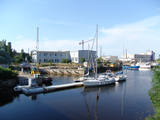 |
It is said that Krišjānis Valdemārs began to dream about a port at this location when he was a child, but a so-called protective port was only established in Roja in the early 20th century, with a protective dam 500 metres from the shore that was 213 m long. The dam gradually disappeared, and the port was shut down in 1933. Work on straightening the Roja River began in the 1930s, using a French machine to create berms and build rock dams and pile-based breakwaters that were subsequently extended several times. In 1932, fishermen built a 107 m breakwater. Reconstruction of the breakwaters was completed in 1972. The fishing kolkhoz Banga used to be active here, merging shoreline fishermen’s homesteads. (Source: Roja TIC) |
|
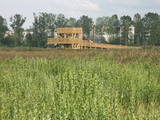 |
This is one of the most interesting protected territories in the city of Rīga, and its aim is to protect coastline biotopes – dune and coastal meadows and the birds and plants which are found there (among them, 29% of the species of orchids). There is a marked information trail with a bird-watching tower. This is the only outdoor viewing tower in Latvia that has been adapted for the needs of people in wheelchairs.
|
|
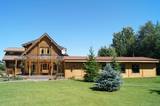 |
The “Aizvēji” guest house is located only 50 km from Riga and 200 m from the sandy shore of Vidzeme seaside, in a quiet and beautifully landscaped environment. It is a party and leisure complex with a tennis court that provides catering for events. The log house has two banquet halls and several cosy rooms. The summer café is located in a separate building from the guest house. |
|
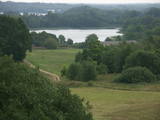 |
Latvia’s newest national park (2007) is in the “land of the blue lakes” – the region of Latgale. One of the goals of establishing a national park was to preserve the natural treasures of the region. Lake Rāzna, which is the second largest in Latvia, is there, as is Lake Ežezers, which has more island than any other lake in Latvia. There are other bodies of water, as well as typical landscapes of hillocks and a unique cultural environment. One of the most popular destinations in the park is Mākoņkalns Hill, which offers a lovely view of Lake Rāzna. Administrators of the newly established park are working on the tourist infrastructure – trails, routes, etc. Perhaps visitors would be advised to postpone their trip to the Rāzna National Park for awhile. |
|
 |
Starp steķiem un Tūjas ķieģeļu fabriku bija
izveidots sliežu ceļš, pa kuru transportēja labākās kvalitātes ķieģeļus.
Pēckara gados „Dzeņu” krastā uzcēla zivju pārstrādes rūpnīcu, bet pāri
steķiem – cauruli, pa kuru ar ventilatora palīdzību sūknēja zivis no kuģiem,
kas bija piestājuši steķu galā.
|
|
 |
This venue is a lovely and calm place by a pond that will delight all fishermen with a massive number of fish. Guests will sleep in a granary that is 120 years old and has bedrooms, a kitchen and a sauna. |
|
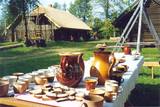 |
This is the farm of a moderately wealthy Selonian farmer from the 19th century. It features a residential building with a mantel chimney, two granaries, a threshing barn, a sauna, a windmill, a smithy, a steam locomotive and a threshing machine. Groups will enjoy thematic programmes such as “Crafts at the Selonian Farm,” “When Honey Melts on Your Tongue,” and “A Wedding at the Selonian Farm.” |
|
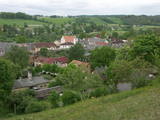 |
The Wine Hill of Sabile has been known since the age of the Duchy of Courland as the northernmost place where grapes were grown to produce more or less sour wine for the duchy. A wine festival has been held each year during the latter half of July in Sabile since 1999. The hill offers an excellent view of the small town that is on the banks of the ancient Abava River Valley. |
|
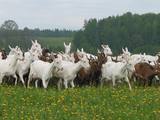 |
This is one of the largest goat farms in Latvia, with approximately 160 pedigree goats (Alp, Anglo, German White Noble and other breeds), as well as pigs for breeding purposes. You can take a tour and help in herding the goats. Kid goats can be seen in the spring. You can taste various kinds of cheese, ice-cream made from goat milk and watch how the goats are milked (around 5:00 PM every day). You can also taste and purchase canned meat. No preservatives are ever added to the farm’s products. |
|


