
| No | Name | Description |
|---|---|---|
 10 days
|
The tour introduces modern day life in rural Finland, Estonia and Latvia and includes visits to small farms raising livestock and producing delicious foods, and to ethnographic villages preserving the traditional lifestyle in a contemporary environment. The tour also involves sites of historical and cultural interest. |
|
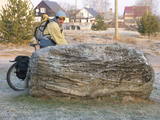 |
It lies between Pīlādžu street and the left bank of the river Siliņupe. In the 3rd to 2nd millenium B.C., there was a fishermen and hunters' settlement in the place of which there is installed an informational commemorational stone (Sculptor O.Skarainis). The settlement near the river Siliņupe is the oldest known human settlement in the area of the Ķemeri National Park. There are found many artifacts: pottery fragments and arrow tips, flint and amber pieces, etc..It is possible that the adjacent residential area has been the place of a cemetery. A small portion of the finds is displayed at the Lapmežciems Museum, the other ones are located in the National History Museum of Latvia. |
|
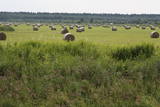 |
Open landscape area within farming lands on both banks of Uzava River about 10 km before it flows into the Baltic Sea. There is a good open view over the area from the Vendzava-Ziri road going through the nature park. Protection of migratory birds and corncrakes has been one of the main reasons for establishment of the nature park. Bird watching is possible from the road Vendzava-Ziri during migration period in spring and fall. There is no tourist infrastructure in the nature park.
|
|
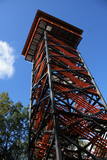 |
Labi redzams no Kornetu centra. Līdz tornim var nokļūt pa taku, kas ved pāri pļavai uz uzlokas pa stāvā Dzērves kalna nogāzi. No torņa paveras viens no skaistākajiem Vidzemes un Latvijas skatiem. Redzams Dēliņkalns, blakus esošie Dzērves un Ievas ezeri, Hānjas augstiene un Lielais Munameģis (acīgākiem vērotājiem). |
|
 |
Iespaidīgs pilskalns ar izveidotu apskates taku. Blakus ūdenstūristu apmetne „Kvēpene”.
|
|
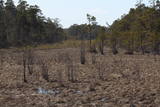 |
The Kurzeme Peninsula has the largest landscape of hillocks and valleys in Europe in the shoreline segment from Melnsils and Kolka to Oviši and Liepene. It is a unique landscape in Latvia, and part of it is in the Slītere National Park. The Pēterezers Nature Trail offers the best chance to look at the landscape. There are hillocks and valleys elsewhere, too – near shoreline villages where the Kukšupe valley (one of the longest ones – 8 km in all) is crossed by the Ventspils-Kolka highway, as well as near Apakšceļš. The only thing is that you need to learn how to spot the areas out in nature. |
|
 | ||
 |
Known as Alšvanga in the past, this place was mentioned for the first time in 1231 in an agreement that was signed between the deputy legate of the pope in Rome and the Courlandian tribes of the region. The Livonian Order ruled the territory until 1561, and from 1573 until 1738 the order’s castle belonged to the von Schwerin dynasty from Pomerania. It during the rule of this aristocratic family that a stone church was built in honour of Archangel Michael, and local residents began to convert to Catholicism. Alsunga became the Catholic centre for all of Kurzeme, and local residents became known as the Suiti (from the Schwerin suite). For nearly 400 years, Alsunga has been the historical centre of the Suiti territory. This is Latvia’s most conservative region and is widely known with unusual songs, colourful folk costumes and various folk traditions and beliefs. The Suiti have their own dialect, foods and many other things that have been long since abandoned or forgotten elsewhere in Latvia. The religious has commingled with the folk here in one unique whole. The Alsunga District covers 191 km2 and has some 1,500 residents. |
|
 |
Divas mazas apdzīvotas vietas nacionālā parka dienvidrietumu daļā. No kādreiz piecām Kolski ciema saimniecībām līdz mūsdienām ir saglabājusies tikai viena. Kolski iedzīvotājus līdzīgi kā citviet Baltijas valstīs pēc 2. pasaules kara deportēja uz Sibīriju. Kolski apkārtnē redzamie mājdzīvnieki „apsaimnieko” šejienes pļavas, neļaujot tām aizaugt ar mežu. Tādējādi tiek uzturēta apkaimes vēsturiskā ainava. 3 km dienvidrietumos meklējams Kobasāres ciems. Tā nosaukums (koopa no igauņu valodas nozīmē ala, saar – sala) atgādina par Ziemeļu kara notikumiem, kura laikā cilvēki slēpušies pašu raktās alās. Kobasārē un tam blakus esošajā Apjas (Apja) ciemā var izbaudīt patiesi 21. gadsimtam nepierastas lauku ainavas. |
|
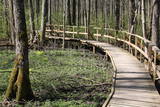 |
Uz pāļiem veidotā koku laipu taka līkumo cauri Vēršupītes dumbrājiem (pārmitri platlapju meži), tādēļ visiespaidīgākie skati šeit ir vērojami tieši pavasara palos vai citos gadalaikos pēc lielām lietavām, kad mazā upīte iziet no krastiem un appludina dumbrājus lielākā platībā. Par teritorijas sezonālu applūšanu liecina arī daudzo alkšņu resnie sakņu kakli, kas nevilšus atgādina mangrovju audzes. Mitrie meži ir viens no sugu skaita ziņā daudzveidīgākajiem Latvijas biotopiem.
|
|
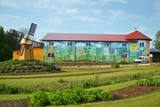 |
The Rūķīšu tēja farm is one of the leading producers of medicinal plants in Latvia. The company ensures the quality by growing and harvesting plants that are dried, stored and packaged very carefully. The farm uses no aromatises, no preservatives, dyes or thickeners. Group tours will enjoy tasty teas and recommendations on those that should be purchased. Products are sold at very attractive prices. The farm offers a wide range of medicinal plants from which teas can be produced. Pay a visit when the plants are blooming and each little area has a unique and typical colour. |
|
 |
In Põlvamaa, on the side of the historic post road, a farmer’s kitchen and leisure home Kopli is located, surrounded by joy and delicious flavours. Farmer's kitchen Kopli offers a comfortable way to spend time and private restaurant services. The café operates during summer. Enjoy gelato type ice-cream here all year round. |
|
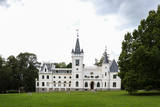 |
The castle was built during the first half of the 19th century in Tudor Neo-Gothic forms. The first owner of the castle was Baron Johann Gottlieb von Wolff. During the 1870s and 1880s it was rebuilt in the style of French Neo-Renaissance. The castle was burned down during the 1905 Revolution, but it was restored with certain elements of Art Nouveau forms. Tours are available of the interior of the building. |
|
 |
The saloon is on the edge of the Murjāņi-Valka road (A3) in a two-story log building with a terrace. The interior design of Mazais Ansis fits the aura of a massive wooden structure and it is possible to look at old times’ instruments, household goods and harnesses. There is also a very valuable wooden wheel, which is one of the very few in Latvia. The saloon offers a sauna, a location for campfires and a children’s playground. It works with local farmers and manufacturers. Latvian cuisine: Valmiera salad, boiled tongue, grey peas, farmer’s breakfast, cold soup, filet of pike, roast lamb, grilled pork, stacked rye bread, strawberry crème with jam, rye bread, herbal teas. Special foods: Beef filet with potato pancakes. |
|
 |
"Gusts Apinis" is located in Vidzeme highlands, Amata region. The company is unique in that it grows non-traditional crops in Latvia: quinoa, amaranth, millet, lentils, etc. Produces flour and pasta (buckwheat, buckwheat-quinoa) from grown products. |
|
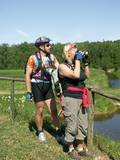 |
The barrow which offers a good view is at the northern end of the Dunduri meadows – at the end of Melnragi. It is an artificial barrow which follows along with the bed of the little Slampe River. The meadows are home to livestock allowed to live in the wild, and you can see a bit of the restored Slampe. The view is particularly interesting during flooding season, when the surrounding wetlands become saturated. This is a location for bird-watching.
|
|
 |
Stādaudzētava piedāvā rožu, skujeņu, dižstādu, ūdensaugu, lapu krūmu un dzīvžogu materiāla iegādi un konsultācijas.
|
|
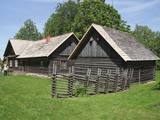 |
The Museum of Francis Trasuns „Kolnasāta”. The museum of the promoter of Latgalian revival,
prominent cultural worker, pastor and politician F. Trasuns (1864 – 1926) was established in his house „Kolnasāta”. There is also an exposition about Jānis Klīdzējs; a collection of old household items. „Kolnasāta”
is the place of many cultural events in Latgale.
Working hours: Mon– Fri : 8.00 - 16.00, Sat., Sunday : on request |
|
 |
The pub Raudnaela is located near Pärnu-Tartu highway, in the place of the former Raudna inn (1700), 15 minutes’ drive from Viljandi. Guests can enjoy delicious home-made dishes, as well as a themed dinner. |
|
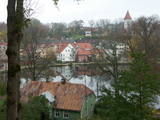 |
The town of Talsi is known as the “town of the nine hillocks,” and it is worth touring the location on foot. You’ll find the best views from the Talsi castle hill (views of Lake Talsi and Ķēniņkalns Hill), Sauleskalns (Lake Talsi, the castle hill, Ķēniņkalns Hill), and the hiking trails of Ķēniņkalns (Lake Talsi, the castle hill, the historical town centre).
|
|


