
| No | Name | Description |
|---|---|---|
 |
The farm produces tomatoes, cucumbers, red peppers, strawberries, apples, plums and cherries. The fruits and vegetables are available for purchase. |
|
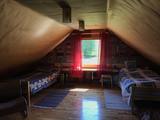 |
Bed & breakfast "Upes", in the centre of Livonian village Pitrags. Natural toilet. Local products. Lunch boxes, transfer service on request. |
|
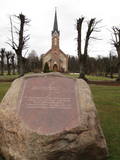 |
The first church in Piņķi was made of wood. The idea of building a new church emerged in the 1850s, and the cornerstone for a design by the architect J.D. Felsco was laid on May 25, 1872. The church that is there today was completed in 1874. The nine-register organ was built by the distinguished organ builder Wilhelm Sauer in 1890. On July 17, 1916, the 5th Latvian Riflemen’s Battalion was on its way to the front lines at Smārde and stopped at the Piņķi Estate. Col Jukums Vācietis delivered a sermon at the church on that date (though not all historians agree that he did so), and that has gone down in history as one of the most important events of the day. The historical even inspired Aleksandrs Čaks to write the poem “Sermon at the Piņķi Church.” The church is a cultural monument and can be toured. It is lit up at night. Alongside the stone is a rock that was installed in commemoration of the Latvian riflemen. |
|
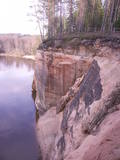 |
These sandstone cliffs were once known as the Pieškalni or Pieškaļi cliffs. They are around 7 km to the North from the centre of Cēsis. These are the most monolithic sandstone cliffs in the Baltic States – around 700 m long (with some 330 m along the Gauja River) and a maximum height of 22 m. There is a viewing area which offers a grand view of the Gauja River valley. Water tourists will boat up to the majestic wall of the cliff and will be surprised at what they see! The name of the cliffs, Ērģeles, is the word for "pipe organ" in Latvian, and the name was supposedly given to the cliffs because of the echoes which can be heard there – they reputedly sound like an organ. Hikers and boaters must be very careful when in this area – please make sure that you are safe! Please note, too, that the infrastructure of the cliff is scheduled to be renovated in 2012. |
|
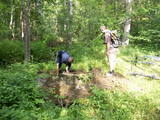 |
The remnants of the Vardīte sulphurous
spring – not easy to find, but the location is
between the Forest House and the Ķemeri
Hotel.
|
|
 |
This business offers cheeses with various flavours that are sold at green markets in Gulbene and elsewhere in Latvia. It accepts orders. |
|
 |
Metāla tornis Kazari upes kreisajā krastā, ~ 5 km attālumā no Matsalu līča. No torņa redzamās Kazari deltas palieņu pļavas atrodas tikai 0,3 – 1 m augstumā virs jūras līmeņa, tādēļ pavasara palos un stipru vētru (īpaši rietumvēju) laikā ūdens appludina milzīgu teritoriju. Uzskata, ka platības ziņā šīs ir vienas no lielākajām Eiropas palieņu pļavām, kas ir nozīmīga dažādu tārtiņveidīgo putnu sugu ligzdošanas, dzērvju un zosveidīgo putnu atpūtas un barošanās vieta. Ir pagājis laiks, kad zemnieki Matsalu pļavās ganīja govis un pļāva sienu, tādēļ šobrīd pļavu apsaimniekošanu veic nacionālā parka administrācija. |
|
 |
The former Ķemeri swimming facility used
to have a building of wooden bathtubs in the
19th century. The mud treatment facility which
is designed in the style of Classicism was
erected in 1924. The Ķemeri clinic was opened
here after World War II. A monument to Ivan
Pavlov, a distinguished Russian doctor and
physiologist is on the western end of the ruins,
and no one has taken much care of it, either.
|
|
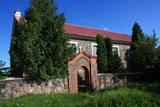 |
The Archangel Michael Catholic Church of Subate is in the historical centre of Subate. The building, which does not have a tower, was built of fieldstones in 1831, with financing from Count Mikhail Sieberg-Plater. An impressive bell tower was built in front of it. The church contains a sculptural group, “Golgotha,” from the late 18th century, along with a crucifix and a major altar relief that is made of carved wood. It is based on the globally famous Leonardo da Vinci fresco “The Holy Supper.” |
|
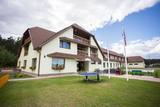 |
Family restaurant, hotel and bicycle rental, located 4 km from Piņķi and a 12-minute drive away from Riga Airport. A team of 12 professional chefs prepare a wide range of dishes. Full menu: facebook.com/irbenilv/menu. Takeaway is available. For groups of more than 10 persons, booking is recommended. |
|
 |
Jelgavas pils dienvidaustrumu spārna cokolstāvā ir iepazīstamas Kurzemes un Zemgales valdnieku - Ketleru un Bīronu dzimtas kapenes (laika posms no 1569. – 1791. g.), kur apskatāmi 18 restaurētie sarkofāgi. Šī ir Baltijas mērogā nozīmīga vieta, kas noteikti jāapmeklē ikvienam vēstures interesentam. |
|
 |
The restaurant is in the Grand Hall of the restored Liepupe Estate. Ancient cooking traditions are merged with modern culinary methods. The restaurant works with local farmers and grows greens and herbs in its own garden. Guests are welcome to help with preparing foods on a wood-fired stove in the antique kitchen. Latvian cuisine: Rye bread canapé, a plate of Latvian cheeses, country salad with greens, grilled seasonal vegetables, estate stock, local fish dishes, baked port chop, baked herb-crusted mutton. |
|
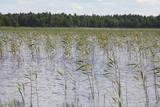 |
There is picnic area and information stand at the end of the forest path leading from Muiznieki to Klanu Bog. Klanu Lake was formed in the place of Littorina marine lagoon. Nature restricted area was established to protect biotopes in the area of Klanu, Dziru and Stavu Lakes. There is wide information about the area available on the information stand.
|
|
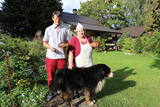 |
In the Berzini homestead they bake exceptionally tasty wheat and rye bread in accordance with the old folk recipes. The taste and smell is the result of baking bread in a special oven which is more than 70 years old. It is possible to order bread, or, having booked a visit beforehand, to make and bake your own bread loaf. The owners will teach you bread baking traditions and use recipes from their ancestors to bake loaves in a true bread oven. |
|
 17 days
|
The tour introduces modern day life in rural Latvia, Estonia and Lithuania and includes visits to small farms raising livestock and producing delicious foods, and to ethnographic villages preserving the traditional lifestyle in a contemporary environment. The tour also involves sites of historical and cultural interest. The tour gives a look beyond the usual tourism sites to get to know the three Baltic states more deeply. It starts in the historic Latvian capital, Riga, followed by the Gauja National Park with its castles, manors and walking trails. Climb the tower of medieval Turaida Castle for amazing views over the valley and visit the ancient jewellery master in the castle of the charming town of Cesis. Across the border in Estonia, walk streets with elegant villas at Parnu sea resort before catching a ferry to Saaremma island. Ethnographic Koguva village, ancient churches and windmills are typical of the island, as is an embroidering tradition. Then it's off to Tallinn with its medieval Old Town and to the rocky landscapes of Lahemaa National Park with fishing villages and manors. Try Estonian national dishes at the pub in Altja. Driving back, stop at the university town of Tartu. In Latvia again, visit goat farms and a traditional black bread bakery. Then the tour heads towards the west coast with the cities of Liepaja and, across the border in Lithunaia, Klaipeda. Next is the incredible Curonian Spit. Before Vilnius, take a detour to Grutas Park with its bizarre Soviet statuary. Finish the journey at picturesque Trakai Castle in Lithuania and Rundale Palace in Latvia. |
|
 |
Naktsmītne, pirts, telpas pasākumiem, aktīvā atpūta dabā. Mājas alus brūvēšana un siera siešana. |
|
 |
The farm store Leppanide is only a 15-minute drive from Kärdla. The farm breeds goats and sheep, as well as grows various vegetables. |
|
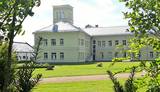 |
The Rietavas Park was once the largest landscape park in Lithuania. It was established between 1848 and 1855 in a naturally cleaned forest and reconstructed in 1904 and 1905. This is a very nice park with local bushes and trees, as well as several foreign plants. Various alleys of trees and fragments of the hedges have been preserved along with the white gate, the red gate and a guard's hut. The park has a complex system of bodies of water, including a few ponds, a curvy river and an island that is surrounded by the old river. |
|
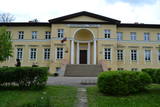 |
Tāšu – Padures muiža (Tasch – Paddern) celta 19. gs. sākumā kā Korfu dzimtas pils, kas 1852. gadā pāriet Keizerlingu dzimtas īpašumā kā medību pils, kas kalpojusi kā vasaras mītne, un ir izcils vēlīnā klasicisma paraugs. Iekštelpās saglabājušies vairāki senā interjera apdares fragmenti. Pēc pils pabeigšanas, ap to sāka veidot vairāk kā 10 ha lielu parku ar svešzemju kokiem. Šobrīd muižas ēkā atrodas Kalvenes pamatskola. |
|
 |
Talsu vecpilsētā, pašā vēsturiskā centra vidū, atrodas īpaša vieta, kur saplūst lauku miers un pilsētas dzīvīgums. Te vari izbaudīt gan klusumu un nesteidzīgu atmosfēru, gan arī sajust tuvumā esošo ielu dzīves ritmu. Šī māja ir kā radīta romantiskam nedēļas nogales atpūtam divatā — vakarā iekurt kamīnu, iemirdzināt telpu sveču gaismā un baudīt siltu vīna glāzi klusā divvientulībā. Tajā pašā laikā tā lieliski piemērota arī ģimenēm vai draugu kompānijām, kas vēlas pavadīt laiku kopā ērtā un plašā vidē. Villā pieejamas piecas guļamistabas, divas vannas istabas, kvalitatīva gultas veļa un dvieļi, satelīttelevīzija plakanajā ekrānā, ērta ēdamzona, pilnībā aprīkota virtuve, kā arī terase ar skatu uz dārzu. Papildus ērtībām viesiem ir atpūtas zona un kamīns, kas lieliski papildina vietas mājīgumu. |
|


