
| No | Name | Description |
|---|---|---|
 |
Ööbiku herb farm is located in an ecologically clean area and is engaged in the cultivation and further processing of herbs, berries and vegetables using organic methods. It also dries vegetables, fruits and berries. |
|
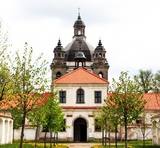 |
Ein hervorragendes Sakralensemble im Barockstil (17 – 18 Jh.), eine Kirche und ein tätiger Nonnenkloster. |
|
 |
The “Lamb Club” is a farm in Mazsalaca, and it is special because the sheep live in a real club! The owners offer the atmosphere of a farm at which the sheep play major roles. Enjoy mutton and sheep milk foods and beverages, feel how comfortable it is to read your favourite while sitting on a fluffy sheepskin, and, in order not to get cold by the campfire in the evening, you can purchase warm woollen socks and woven woollen cloaks. The owners hope that people from Latvia and all around the world will spend more time at the farm, because accommodations involve a new glamping tent that is as close as possible to nature and the healthy rural environment. Don’t lose a lick of the comfort that you are used to in your everyday life! The owners, Ilze and Valters, will be happy to give you a tour during which they talk about herding sheep. If you contact them in advance, they will prepare a tasty mutton meal for you. The tour can also be supplemented with various activities such as games, quizzes and creative workshops at which sheep wool is utilised. |
|
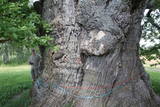 |
Most of the great tree’s mighty branches are gone, and among those that are still there, the thickest ones are held up by supports, and the tree’s hollow centre is protected against snow and rain with a little roof. This is the thickest Common Oak (Quercus robur) in Latvia and the Baltic States. Indeed, it is one of the thickest oak trees in all of Northern Europe. The tree is a gorgeous part of the surrounding landscape. There is a car park and an information stand nearby.
|
|
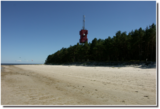 |
Cape Ragaciems – a promontory from
the western shore of the Bay of Rīga which
ends with a shallow and rocky submarine
shallows reaching several hundred metres
into the sea. The Ragaciems Lighthouse is
at the tip of the cape
|
|
 |
Saimniecība "Baltiņi" atrodas Auces novadā un nodarbojas ar lopkopību un lauksaimniecību. Viesiem ir iespēja redzēt un izzināt piena ražošanas procesu, kā arī iepazīt saimniecības dzīvniekus. Saimnieki piedāvā apskatīt padomju laiku auto kolekciju, pieejama arī suvenīru un trauku kolekcija ar govs motīviem. |
|
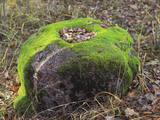 |
Zīleņu Sacrificial Boulder.You will find it on Zelenpole Golden hill beside the escarpment. The boulder
has an annular curvy. It was an ancient Latgalian cult place where people sacrificed to Gods, released themselves
from the bad things and took a positive energy.
|
|
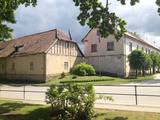 |
Known as Alšvanga in the past, this place was mentioned for the first time in 1231 in an agreement that was signed between the deputy legate of the pope in Rome and the Courlandian tribes of the region. The Livonian Order ruled the territory until 1561, and from 1573 until 1738 the order’s castle belonged to the von Schwerin dynasty from Pomerania. It during the rule of this aristocratic family that a stone church was built in honour of Archangel Michael, and local residents began to convert to Catholicism. Alsunga became the Catholic centre for all of Kurzeme, and local residents became known as the Suiti (from the Schwerin suite). For nearly 400 years, Alsunga has been the historical centre of the Suiti territory. This is Latvia’s most conservative region and is widely known with unusual songs, colourful folk costumes and various folk traditions and beliefs. The Suiti have their own dialect, foods and many other things that have been long since abandoned or forgotten elsewhere in Latvia. The religious has commingled with the folk here in one unique whole. The Alsunga District covers 191 km2 and has some 1,500 residents. |
|
 |
This is a traditional crafts centre that maintains ceramicist traditions, organises annual creative camps for children, offers exhibitions of ceramics and organises educational programmes about traditional festivals. |
|
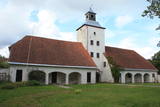 |
The complex dates back to the 17th and 18th century, when a fortress was replaced by a mansion and other buildings. The rectangular yard that is in the centre of the state is surrounded by the mansion, two granaries with columns that were built opposite one another, a stable and a wheelhouse. The stable and wheelhouse, the bell tower and the gate create the most impressive part of the buildings. Bells were rung because of religious rituals, but also to inform people at the estate about everyday issues. The silhouette of the building is reminiscent of cloisters, city halls and churches that were common in Europe in the 18th century. In 1780, the estate was taken over by the family of Karl Otto von Löwenstern, and the mansion can only be viewed from the outside. There is a hiking trail near the estate. |
|
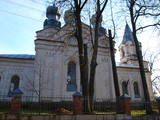 |
The church is on the highest part of the banks of the Marku river, and it is behind the Piedruja border control point. A paved street leads to the church, and it is thought that it was built in the early 20th century by local farmers, who were required to bring stones for the street when they attended worship services. The church has six cupolas and is seen as one of the most beautiful ones in the Krāslava Administrative District. The building was erected between 1883 and 1885 to replace an old 17th century wooden church. It corresponds to the architectural form of the Old Russian town of Vladimir and the Byzantine style. It is said that at one time the church had as many as 1,000 members. |
|
 |
Saimniecība nodarbojas ar 15 veidu vīna darīšanu no Latvijas augļiem, ogām un citām dabas veltēm, kā arī vīna destilāta ražošanu. Vīna darītavā vīndaris pastāstīs par vīna izgatavošanu un dalīsies savā pieredzē. Uz vietas iespējams nobaudīt dažādus izsmalcinātus augļu un ogu vīnus, meklējot sev tīkamākās garšu un smaržu nianses. Vīna darītava sadarbojas ar vietējo zemnieku saimniecībām, tēdēļ pie vīna iespējams nobaudīt sieru no govs vai aitas piena un Bauskas pusē ražotus saldumus. |
|
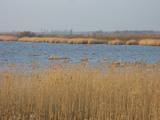 |
A shallow, eutrophic (more than 60% coverage), lagoon-type lake, which is a restricted area to protect the overgrowing lake and the damp meadows which surround it. There are some 60 species of nesting birds in the area. The system of dams on the southern shore of the lake can be used by visitors to look at the area.
|
|
 |
Vecauces ev. lut. baznīca ir valsts nozīmes arhitektūras piemineklis. Baznīca pirmo reizi uzcelta kā koka būve 1667. gadā, bet pēc zibens spēriena 1729. gadā tā nodega. Mūra baznīca celta 1744. gadā, savukārt 1866.gadā Mēdemu valdīšanas laikā baznīcu paplašināja līdz 500 sēdvietām, izgatavoja jaunu altāri, kanceli un uzstādīja Liepājas ērģeļmeistara Kārļa Hermaņa būvētas ērģeles. meklētājiem piedāvā doties interesantā, izklaidējošā un informatīvā ekskursijā pa baznīcu, apskatot ekspozīciju "Auce pirmās Latvijas brīvvalsts laikā" un baznīcas bibliotēku (Baznīcas grāmatas (pirmās Latvijas brīvvalsts laiks – 1918.-40.g., vācu laiks, padomju laiks un šodiena)). Baznīcā izveidotajā Mākslas telpā apskatei tiek piedāvātas vairākas unikālas ekspozīcijas: skolotājas Jadvigas Kupčes grāmatu un personīgo lietu ekspozīcija, kantātes “Dievs Tava zeme deg” vārdu autora Andreja Eglīša ekspozīcija, izcilā flamenko ģitārista Andreja Kārkliņa un režisora Kārļa Pamšes ekspozīcijas. |
|
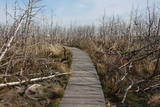 |
Nahe der Beerkopfdüne ist im Frühling 2006 „ein Brand der Jahrhunderte” gewessen. Es wurde der hundert Jahre alte Wald in der Fläsche von 235h ausgebrannt. Ein Pfad mit Holzbelag. |
|
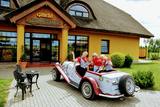 |
Older residents say that the guesthouse is located in the centre of the Domanti village. The guesthouse has four buildings built in accordance with ethnic architectural traditions, including a granary, a sauna and a traditional residence with two ends. |
|
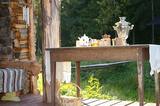 |
Trips run by Mooska Farm are a wonderful chance to learn about the rich cultural heritage of Võru County, such as the smoke sauna, the tradition of smoking meat in sauna in winter or cooking it in a stone-lined hole in the ground. Scenic walks to Vällamägi hill teach you how people in this area perceive and communicate with the great outdoors; orienteering games, Nordic walking and snowshoeing tours are also on offer. The best size for a group is up to 12 persons. |
|
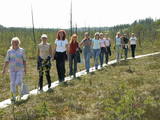 |
This is a highland swamp with several little lakes. At the SE of the area is a wooden trail.
|
|
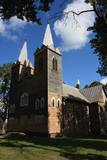 |
В1699 в центре Нюкши Пасиенские доминиканские монахи построили часовню, на месте которой в 1765 году помещик Хилзен возвел новую церковь. Помещения были маленькие, и в 1922 - 1926 гг. на фундаменте старой церкви строится новая и большая – теперешняя церковь, которую называют одним из самых красивейших деревянных храмов Латгалии. В здании находится центральный алтарь работы второй четверти XVIII века и два боковых алтаря работы примерно 1700 г. Церковь можно осмотреть изнутри. |
|
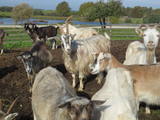 |
The pride of the farm is a herd of approximately 100 goats, and the owner produces milk, cheese, cottage cheese and yogurt from goat milk. You can go on a tour, visit the animals, and taste and purchase biologically produced and healthy products. You can go fishing in the nearby pond and then grill your catch. |
|


