
| No | Name | Description |
|---|---|---|
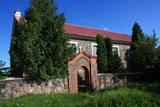 |
The Archangel Michael Catholic Church of Subate is in the historical centre of Subate. The building, which does not have a tower, was built of fieldstones in 1831, with financing from Count Mikhail Sieberg-Plater. An impressive bell tower was built in front of it. The church contains a sculptural group, “Golgotha,” from the late 18th century, along with a crucifix and a major altar relief that is made of carved wood. It is based on the globally famous Leonardo da Vinci fresco “The Holy Supper.” |
|
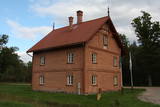 |
Vijciema čiekurkalte ir viena no retajām vēsturiskajām čiekurkaltēm Eiropā, kas celta 19. gadsimtā, un ir ne vien teicami saglabājusies līdz mūsdienām, bet arī, izmantojot vairāk nekā 100 gadus senas iekārtas, čiekurkaltē arvien tiek žāvēti čiekuri, lai iegūtu augstas kvalitātes meža sēklas. Pateicoties ēkas bagātajai vēsturei un senajām čiekuru žāvēšanas tradīcijām, Vijciema čiekurkalte ir iecienīts tūristu objekts, kas piesaista vēstures, dabas un tehnoloģiju interesentus. Vijciema čiekurkaltes apmeklētājiem ir iespēja doties izzinošā ekskursijā gan individuāli, gan grupās. Ekskursijas laikā ir iespēja atklāt čiekurkaltes vēsturi, skatīt čiekuru apstrādes cikla demonstrāciju, kā arī uzzināt, kur, kā un kāpēc čiekuri tiek lasīti. Ekskursijas un individuālos apmeklējumus iepriekš jāpiesaka, zvanot 26478620. Cena
|
|
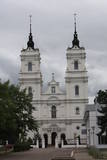 |
Atrodas t.s. Baznīcu kalnā - A. Pumpura ielā 11 a. Varenais neobaroka stilā celtais dievnamu tapis 1905. g. Pastāv viedoklis, ka par šīs baznīcas prototipu izmantotas Aglonas vai Krāslavas bazilikas, kā arī Rietumeiropas baznīcu paraugi. Tās interjeru rotā divstāvīgs altāris, kurā novietota spāņu gleznotāja B. E. Muriljo pazīstamās gleznas “Svētā Dievmāte” kopija. 1909. g. baznīcā uzstādīja poļu meistara Ādolfa Hofmana būvētās ērģeles.No būvniecības laika saglabājusies arī pārējā baznīcas iekārta. |
|
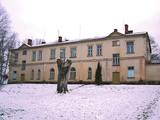 |
Bikovas Manor. The name of this manor is listed in the chronicle since the 17th century. You should see the manor house
and the park where you can find a stone chapel that was built in 1820, servant’s house, several household buildings
and stablings. After the fire of 1905, the building was reconstructed and the second floor was built. Since
1937, the manor is serving as Gaigalava Secondary school. According to the legend, there are secret passages that
lead to the church and the cemetery. The building is the architectural monument of local importance.
|
|
 |
A small settlement with a school, library and shop. North from the Vidale are visible remains of the windmill. Going towards the Gulf of Riga, the road crosses Shlitere Zilie mountain precipice with spectacular views during late autumn, early spring and winter, when there are no leaves on the trees and sandstone outcrops. To the left you can see Zilie mountain spring - a landscaped water taking place. Road that runs from the Vidale to Melnsils side, is called by the locals Knipeldambi. They say that it was built by the German army first During World War I, putting logs on the road and covering them with sand. |
|
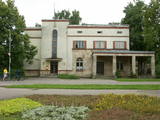 |
The building was erected during the first period of Latvian independence, and it maintained its functions for a long time. The building is located at Tukuma Street 30. Beginning in 1940, the post office had an automated telephone central. The Postal Service no longer uses it, and the building can only be viewed from the outside. |
|
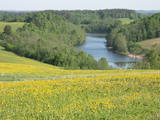 |
This nature park is located in the most distinct part of the Dagda hillocks of the Latgale highlands. Part of it is the deepest lake in the Baltic States -- Lake Drīdzis, which is 63.1 metres deep and has nine islands. Also there is Lake Otis. The loveliest views can be watched from the ancient Lettigalian castle hill that is known as Sauleskalns, and from the eastern shores of Lake Drīdzis. Accommodations are available near the lake. |
|
 5 days
|
Ancient trading routes provided not just goods, but also knowledge and culture. The Light’s rout relates to the Reverent Ernst Gluck, who was a writer, the first translator of the Bible into Latvian, and a founder of Latvian children's schools, the Hernhutian movement of brothers, Kārlis Skalbe, the Kaudzīte brothers, Jānis Poruks, Antons Austriņš and their spiritual heritage. People in Vidzeme bake rye, wheat, barley, spelt and grit bread with various seeds, caraway seeds, nuts, dried fruit and hemp seeds. Hemp is used to produce traditional butter, oil and dumplings made with grey peas. It is also added to candies and even chocolate. Barley flour in the past was used only for celebrations, but today people will teach you how to use it to bake water pretzels with salt and caraway seeds. Visit farms and restored windmills to track the route of grain. Taste traditional Summer Solstice cheese, as well as Green cheese and tasty goat cheese. Pipe perch from Lake Burtnieks is a local delicacy, and you will also find trout, catfish and sturgeon, as well as crabs in season. Local meat and fowl dishes are popular, including dishes made with rabbit. Kitchens at aristocratic estates will offer wild game and pheasants with forest goodies and wild herbs. In Vidzeme you can meet the Garlic Queen, who prepares plant powders. Enjoy pies, sheet cakes, honey cakes, desserts of whipped cottage cheese, mountain ash, quince, apples, sweet cream and rye bread, as well as blackberry or apple dumplings. Slake your taste with herbal teas with honey, birch juice, berry lemonades or, if you're looking for something stronger, some tasty beer or wine. |
|
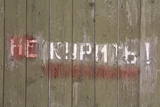 |
This extensive territory to the South of Pāvilosta once was the site of warehouses and an oil base. The territory at this time is used for the extraction of raw materials. There is also a sawmill there. The sign at the entrance of the facility states that the area can be dangerous to visitors.
|
|
 |
Vikmesti dēvē arī par Foreļstrautu, jo tā ir nozīmīga foreļu un taimiņu nārsta vieta. Gaujas labā krasta pieteka ir izveidojusi dziļu gravu ar stāvām nogāzēm, kuras lejtecē izveidojušies nelieli – ap 4 m augsti smilšakmens atsegumi. Gravas labajā (rietumu pusē) paceļas ar mežu apaugušais Vikmestes pilskalns. Gar Vikmestes upi izveidota taka, kuras sākumdaļa atrodas pie Siguldas – Turaidas ceļa, bet beigu daļa – pie Raganas – Turaidas ceļa (ap 3 km). |
|
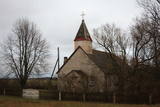 |
Nelielā izmēra ēka (balts ķieģeļu mūris, ar dēļiem apšūts zems tornis) atrodas Liepājas – Klaipēdas šosejas (A 11) malā. 20. gadsimta sākumā tā kalpojusi kā lūgšanu nams, taču tā paša gadsimta vidū pārbūvēta, uzceļot torni. |
|
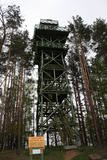 |
Viens no diviem nacionālā parka skatu torņiem, kas atrodas ~ 1,5 km ziemeļos no Ehijerva ezera (Ähijärv). Tornis ir veiksmīgi „nomaskēts” nelielā priežu pudurī, tādēļ tas „nebojā” izcilo dabas un kultūrainavu, kas paveras no tā skatu platformas. Pie autostāvlaukuma ir izveidota labiekārtota atpūtas vieta. |
|
 |
The café is on the edge of the Jēkabpils-Rēzekne road (A12) in a lovely location by a pond where guests can fish for perch, pike, tench and carp. Eastern cuisine and fish dishes are offered. |
|
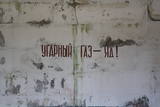 |
The Staldzene Zenith Missile Brigade used a large territory and a number of major buildings. Some of these are now privately owned, and a fish smoking facility has been installed at one of them.
|
|
 3 days
|
Маршрут объединяет все многообразие Видземе и пролегает как вдоль морского побережья, так и по извилистым дорогам возвышенности с просторными живописными видами. Особенно подходит для семей с детьми. Информация о маршруте от Latvijas Lauku forums |
|
 |
“Rūme” - vieta Sēlijā, Zasā, kur tiekas radoši amatnieki un īsti Sēlijas zinātāji, kas lepojas ar savu sēļu mēli un sēļu tērpiem. Tieši šajā amatniecības centrā bieži vien amatnieki atrāda savus darba augļus, un cilvēki pulcējas uz dažādiem pasākumiem. |
|
 |
The farm grows apples, pears and medicinal plants such as peppermint, marigold, etc. The owners also collect wild medicinal plants. An interesting tour is available, and you can purchase products at the farm or at the Latvian Eco Product Store at Barona Street 45-47 in Rīga. |
|
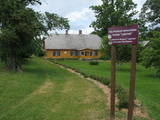 |
Pirms dodamies tālāk – Skaistkalnes virzienā, var izmest nelielu loku līdz Lejeniekiem, kas atrodas skaistā vietā – Mēmeles kreisajā krastā, 6 km austrumos no Bauskas. Latviešu dzejnieka Viļa Plūdoņa (1874. – 1940.) memoriālais muzejs dibināts 1968. g. viņa dzimtajās mājās „Lejeniekos”. Zemgales daba un vecmātes stāsti būtiski ietekmēja nākamā dzejnieka daiļradi. Šeit nokļuvušie var apskatīt ratu un etnogrāfisko priekšmetu kolekciju, izstaigāt Plūdoņa taku vai apmeklēt dzejnieka un viņa radinieku atdusas vietu netālu esošajos kapos. Bērniem noteikti jāiegriežas “Zaķīšu pirtiņā”. |
|
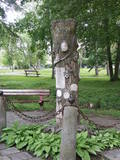 |
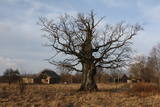
The site of the Oak tree of love, which was
once a symbol of the growth of Ķemeri on the
left bank of the Vēršupīte.
|
|
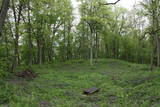 |
Aptuveni 0,5 km dienvidos no Mežotnes pilskalna atrodas Vīna kalns, kas līdzīgi kā Mežotnes pilskalns, ir veidots, izmantojot Lielupes ielejas stāvās krastu nogāzes, tās pārveidojot. Vietvārds ir it kā radies no stāsta, ka šeit parādījies dievgalds ar maizi un vīnu. Vīna kalnu ar Mežotnes pilskalnu savieno jauka koka laipa, kas ved pa Lielupes ielejas pamatkrasta lejas daļu. |
|


