
| No | Name | Description |
|---|---|---|
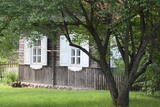 |
Vieta, bez kuras apmeklējuma nav iedomājama Dzūkijas vēstures un kultūras izziņa! Muzejs meklējams Marcinkones centrā, netālu no dzelzceļa stacijas. To noteikti ir jāiepazīst vietējā gida pavadībā, kas pastāstīs daudz interesantus faktus par dzūku tradīcijām un attiecībām ar mežu. Muzejā ir apskatāma dzīvojamā ēka ar ikdienas sadzīves priekšmetiem un rija, kas pārsteidz ne tikai ar savu plašumu, bet arī vairākiem interesantiem eksponātiem, no kuriem ir jāpiemin milzīgs sēņu grozs (tajā iegāja 110 kg gaileņu!), 750 gadus veca vienkoča paliekas, bitenieku un vietējo amatnieku instrumenti u.c. Rijā notiek ikgadēji ar dzūku kultūru un vēsturi saistīti pasākumi. Visbeidzot, te var iegādāties vietējos suvenīrus un medu. Ja ir vēlme iepazīt Marcinkones tuvāko apkaimi, ar kājām var doties pa 13 km garo Zackagira dabas taku (Zackagirio gamtinis takas). |
|
 7 days
|
This study tour is designed to show Latvia's rye traditions as their central focus. This tour has been developed in cooperation with the Latvian Bakers’ Association. Rye is both the basis of the Latvian diet and a powerful symbol of Latvia's culture and culinary traditions. Itinerary emphasize traditional rye bread-baking and eating, as well as insights into the history of the rye grain from Latvia's earliest archaeological record to the present day. Itinerary include visits to working farms, grain mills and culturally and historically important locations. This study tour is designed for groups and may be adapted to the needs, interests and timeframe of each client. Tour cost includes meetings with experts, site visits and admissions, accommodations, specified meals, sightseeing, transportation within Latvia and guides-interpreters. |
|
 |
The owner offers groups of various sizes a chance to go to the sea in a fisherman’s boat and to watch shoreline fishing, as well. The lamprey eel weirs that are on the Svētupe River differ from those on the Salaca River in terms of their structure and the fishing principles. During the season, the owner prepares tasty smoked lamprey eels. |
|
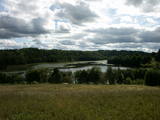 |
Ilziņš jeb Vestienas dzirnavezers pazīstams ar nostāstiem par tajā "periodiski uzpeldošām kūdras salām". Saskaņā ar vietējo iedzīvotāju sniegtajām ziņām, minētā parādība gan sen jau vairs nav novērota. Tajā pat laikā ezers un tā apkārtne ir nozīmīga daudzu aizsargājamu biotopu un sugu dzīves vieta. Ezers ietilpst Vestienas aizsargājamo ainavu apvidū. Ezeru var redzēt, braucot pa Ērgļu - Gaiziņkalna ceļu. Var pakāpties arī blakus esošajā paugurā (ziemeļos no minētā ceļa un ezera), no kura paveras plašāka skatu perspektīva.
|
|
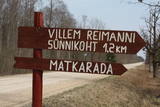 |
Kultūrvēsturiska taka (garums ~ 2 km) Tipu (Tipu) ciemā, kas iepazīstina ar vairākiem interesantiem objektiem: veco skolu (1931. g.), Hallistes upi, pirti un Paunas saimniecību, kurā dzimis viens no Igaunijas nacionālās kustības līderiem Villems Reimans (1861. – 1917.). |
|
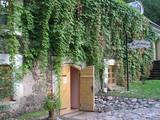 |
The café is situated in a comfortable cellar of a museum commemorating the life of the Latvian author Anna Brigadere. Here you will find a variety of foods and drinks that can satisfy any taste. In the summer, in the yard filled with sunshine, you will be able to relax on the outdoor terrace, listening to the waterflow of the Tervete river, whereas in winter, having enjoyed the snow drifted landscapes, warm up in the cellar, drinking tasty tea. The café organises parties with the good witches of the Tērvete forest, as well as rides in horse-drawn carts or sleds. Latvian cuisine: Pork ribs in honey sauce, pancakes with jam, mushroom sauce. Special foods: “Bear’s paw”. |
|
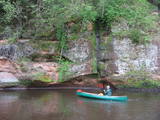 |
The Brasla River flows through a lovely valley that is approximately 300 m wide and up to 30 m deep. It is near the Inčukalns-Valka highway. The river has among the most beautiful rapids in the country, with mighty cliffs (the Brasla cliffs) that can be seen at nearly every curve in the river (except along the lowest reaches of the river). During the winter, various unusual frozen waterfalls can be seen in some of the cliffs, including the Krauļukalns cliff and the Jāņavārti cliff. On the left bank of the Brasla, opposite the Brasla fish farm, there are the Aņīte cliffs -- a series of sandstone cliffs that are 1 km long. The cliffs are between 2 and 35 m in height, and the sandstone cliffs are separated by ravines. On the right bank of the Brasla, there are major cliffs such as the Vāršavu cliff, the Kraukļukalns cliff, the Jāņavārti cliff, the Slūnu cliff, the Virtaka cliff and the Buļi cliff. How can you best learn about them? Boat down the river from the aforementioned highway or even from Straupe, which is further upstream. An alternative is hiking down the right bank of the river, though please take into account that the terrain is fairly extreme, and you are going to have to think about what to do when you arrive at the place where the Brasla River flows into the Gauja. |
|
 3 days
|
This three-day tour offers a variety of culinary experiences. A bus tour is combined with cycling on Kihnu Island to visit local farms and production facilities making unique foods from local ingredients. You will taste cider, fish, herbal teas, beer, dairy products, and pastries. You will visit traditional Estonian and Russian households to enjoy real home-made meals and experience local culinary heritage. |
|
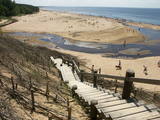 |
The White Dune is one of the landmarks of Saulkrasti, on the Vidzeme gulf coast. The dune offers a splendid view of the sea, the mouth of the Inčupe River and the vast beach. The White Dune formed as the wind drove beach sand over the clay silt of Baltic Ice Lake. Its white 18 meters high sand outcrop once helped local fishermen find their way home. The dune got its name from its white, hardened layers of sand which look like sandstone. |
|
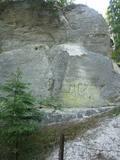 |
The Sietiņiezis cliff is on the right bank of the Gauja River between Valmiera and Jāņmuiža (follow signs along the road). There is a circular nature trail here. Sietiņiezis is one of the largest white sandstone cliffs in Latvia, up to 15 m high and around 500 metres long. There is an interesting diversity in form here, with small caves and niches, erosion-based ravines, as well as sandstone formations which are reminiscent of poles. The word "sietiņš" refers to "sieve," and the cliff is so called because bees have drilled holes into it for time eternal. From the southern part of Sietiņiezis, you can get a good look at the ancient Gauja River valley, and all around it are lovely pine forests. There is a place on the banks of the Gauja which is meant for campfires and meals. |
|
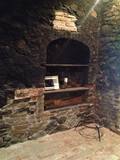 |
The Jūrkalne People's Centre is the main gathering place for Suiti people and is in a former saloon that was built around 1875. Major restorations were conducted in 2011. The centre offers various events, there is an exhibition hall for visitors, and the "Maģie Suiti" ethnographic ensemble and other amateur ensembles are active there. If you want to meet the Suiti and learn about their traditions, contact the centre in advance. |
|
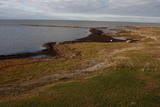 |
Puises ragā (Puise nina) ir uzcelts divstāvīgs atpūtas nams, kas apvienots ar putnu vērošanas torni. No tā paveras skats uz piekrasti, kas ir iecienīta migrējošo zosu atpūtas vieta. Šī ir privāta teritorija, kuras apskati vēlams saskaņot ar īpašnieku. |
|
 |
For the groups of gourmandes the owner offers to participiate in different culinary workshops (2-3 hours): „The sweet cake workshop”, „The untraditional seasonal vegetable foods workshop”, „Pizza workshop”, Preparing hemp butter”, etc. Those who don’t wish to cook themselves are offered a lazy countryside dinner in combination with watching the farm, the grapes garden and talks about countryside life. |
|
 |
The biological agronomical farm specializes on growing vegetables and their reprocessing. Grain products – flour, groats, pearl barley. Also available vegetable and flower saplings; flowers. |
|
 |
The Vilciņi farm is one of the largest and most modern agricultural manufacturing companies in Zemgale, always using environmentally friendly methods. The farm is in the Krimūni Parish in the heart of the historical region of Zemgale. It was established in 1991 by the parents of the current owner, Arnis Burmistrs. Today the farm specialises in grain farming on ~2,200 ha of land. The farm uses precise agricultural methods to save money and preserve the environment and human health. It is actively involved in EU-financed projects, has a modern set of agricultural equipment, and has installed a local meteorological facility. Tours are available. |
|
 |
A hospitable café and bakery, located in the very centre of Sigulda. The offer includes salads, soups and other hot dishes, as well as pastries and cakes. |
|
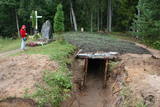 |
In October 1948, nationalist partisans who opposed the Soviet regime built a 9x6 m bunker in the forests of Īle for themselves. Five months later, the KGB attacked the bunker. After five hours of gunfire, 15 partisans lay dead, and another nine were captured. The bunker has been restored in commemoration of this event, and it is open to visitors.
|
|
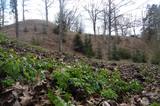 |
The Buse (Matkule) castle hill is next to the Imula River. The hill and the opposite bank of the river offer one of the loveliest views of small rivers in Kurzeme. They are best seen during the season when trees are bare so that leaves do not cover up the landscapes. There are trails for pedestrians in the area. |
|
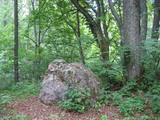 |
Ja Rušona ezeru iepazīstiet ar laivu, tad var apmeklēt Lielo salu (ezera rietumdaļā),kur (augstākajā vietā) ir jāuzmeklē ap 1,2 m augstais akmens. Konstatēts, ka tā apkārtnē un uz virsmas kurināta uguns. Atrastas arī senlietas. Nostāsti vēsta, ka akmens virsmā bijušas iekaltas zīmes (nav saskatāmas) un pie tā upurēti jēri. Tikai nedodieties ezerā, ja ir vai gaidāms stiprs vējš! Rušona ezera salas ir dabas liegums. |
|
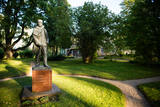 |
The memorial museum for Edvards Veidenbaums (1867-1892) was established at his homestead, “Kalači.” The great poet and translator lived there from the age of five and also died there. Alongside the museum is an exhibition hall that offers thematic exhibitions. A monument designed by the sculptor Laimonis Blumbergs is in the garden of the museum and was installed in 1961. There is also a granary in which Veidenbaums lived during the summer. The poet was buried in the local Liepa cemetery. |
|


