
| No | Name | Description |
|---|---|---|
 |
The "Pastnieka maja" restaurant is an old restored building in Old Liepāja. Legend has it that a postal carrier named Arvīds used to live there, and the building has been praised for its interior design. The menu offers an attractive look at the life of Arvīds, and it is up to you to believe or disbelieve those stories. Latvian cuisine: Cold soup, sorrel soup, oven-baked cod, catfish and plaice filet, grilled pork ribs, porridge with a bacon and onion sauce, potato pancakes, crepes, stacked rye bread. Special foods: Smoked cod with potatoes, onions and dill in a ceramic ramekin. |
|
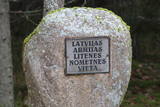 |
Name of Litene is associated with one of the most tragic pages of Latvian history. In twenties and thirties of the 20th century a Latvian Army summer camp was located nearby, where in the summer of 1941 Latvian officers faced the communist terror: Nearly five hundred officers of Latvian army were sent to Norilsk in Siberia, part of them was shot and secretly buried in the nearby forest. At the end of the summer of 1941 about 300 civilians, mostly Jews, were shot there by the army of Nazi Germany. Today, honouring the memory of people killed, memorial and memorial sites are created. |
|
 |
The farmstead "Vitolini" specializes in horse breeding, as well as horse-riding lessons. It is possible to go horse-riding in the forest or to take a ride in a horse team. |
|
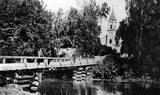 |
On the right bank of the River Pēterupe is one of the historical areas of Saulkrasti – Pēterupe Village. It is believed that the village began to form around a chapel during the so-called Swedish or Catholic times. The chapel was named after the Apostle St. Peter, and therefore the river and the village also carries his name. Pēterupe Village can be considered the oldest village in the Saulkrasti region. The oldest witnesses of the origin of Pēterupe Village are: Rectory, Pēterupe Evangelical Lutheran Church, Outpatient Clinic and the wooden buildings in the old village centre. |
|
 3 days
|
This programme allows participants to learn about Latvian ethnography and traditions through meeting local craftsmen and having master classes with them in knitting traditional mittens and gloves, making amber jewellery and cooking traditional foods. There is chance to have a unique experience because of the authenticity of some places and traditions, for example the ethnographic house of living history Zvanītāji still retains its original appearance - massive ceilings, large family room with bread oven and natural, unpainted wooden floor. The carew chimney is still in the kitchen. The house is filled with characteristic looms, a family table, beds, wardrobe, cradle, various items and tools used on the farm. |
|
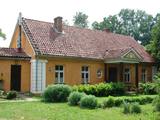 |
Approximately 6 km to the south-west of Iecava is the home of the father of author Edvarts Virza (born Jēkabs Eduards Liekna, 1883-1940), Billītes. The author and his wife, Elza Stērste, moved to the house in 1901. Virza was one of Latvia's most outstanding 20th century authors, poets and prose writers, as well as publicist and translator. He wrote many poems at Billītes, and in 1933 he produced his masterpiece, "Straumēni," which depicts the life of a Latvian farmer. A museum dedicated to Virza is at the house today. It was opened by his children and grandchildren. Contact the museum in advance for a tour. |
|
 |
Šūpošanās ir veselīga nodarbošanās, šūpoles ir enerģijas uzkrāšanas avots. Kad dabā veidojas spēcīgs enerģijas maksimums, šūpojoties iespējams saņemt īpaši daudz. Šūpoles ļauj atrauties no zemes, kaut uz mirkli. Parka teritorijā ir brīvdabas pavarda vieta un pirts. Saimniece piedāvā profesionālus pirts rituālus un nakšņošanas iespējas. |
|
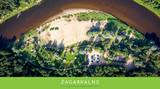 |
Not far from the "Žagarkalns" skiing slopes, at Cēsis, by the Gauja river. Tenting and caravan sites, boating camp. Large area, convenient for guest privacy. Cottages for parties, sauna. Boats and bicycles for rent. In winter - skiing slopes and services.
|
|
 |
Laila Kelle works in a building of the former Lamiņi semi-estate. She teaches drawing and painting of landscapes and still life paintings, using oil paints for this purpose. Nature trail (3km).
|
|
 |
The owner of the Vālodzes farm is a beekeeper. The farm is on the banks of a lovely river in a place where a homestead existed long ago. The hive are on a hillock and in a lovely meadow in the forest. Alongside the bees is a lovely apple orchard, and the owner is happy to have help in harvesting the apples in the fall. He has slowly restored the farm since 1996, and it has a lovely and large lake, a lake hut, a granary with a renovated upper floor and balcony, the beekeeping operation and the apple orchard. |
|
 4 days
|
The trip starts in Kuldīga – a jewel among the old towns in Kurzeme. The town centre is home to historic buildings dating back to the 17th – 19th century. Cobbled streets of Kuldīga, old buildings, the river Alekšupīte, running through the town, St. Catherine’s Church and organ music concerts in it, gourmet restaurants and a country delicatessen shop in the town centre is a great travel experience to enjoy in a leisurely ambience of a small town. The red-brick bridge over the river Venta is a landmark of the town. The widest waterfall of Europe, Ventas rumba (width ~100 m) lies on the Venta. Venta river promenade is a popular place for walking along the riverbank. A private transfer will take you from Kuldīga to the village of Snēpele, where you will start your hike. The trail will take you to the Pelči Manor, the manor park and the deer park next to the guest house “Mazsālijas”. Next, the Forest Trail will lead you through the Abava River Valley Nature Park up to the town of Sabile. The latter is home to a winery and cider house “Sabiles Sidra nams”, which offers tastings and sells the local wine and cider. The section along the Abava River Valley Nature Park is the most diverse in terms of landscape and terrain of a river valley in Kurzeme. The river valley with its numerous habitats and vast biodiversity reaches a depth of 30–40 m and is more than 300 m wide. One will find springs, waterfalls, rock outcrops, and boulders here. After the Forest Trail has meandered through meadows, oak forests and hillocks it finally reaches the town of Kandava. |
|
 1 day
|
Dodieties ekskursijā, lai gūtu ieskatu lauku profesijā un dzīvesveidā, kā arī iegūtu jaunus iespaidus un labu atpūtu visai klasei. Ekskursijas laikā apmeklējiet maizes ceptuvi, kurā pielieto no seniem laikiem izkoptās meistaru zināšanas un prasmes. Te var doties ekskursijā, veidot un cept maizes kukulīti. Pēc tam apmeklējiet atpūtas kompleksu, kur iespējams gan ieturēt maltīti, gan izstaigāt baskāju taku. Ekskursijas noslēgumā dodieties uz kazu saimniecību, lai noklausītos saimnieka atraktīvo stāstījumu par kazu audzēšanu un piena produktu (piens, siers, kefīrs) ražošanu. |
|
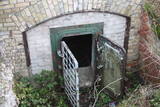 |
The so-called Comet Fort was built on the Left Bank of the Daugava at its mouth, not far from the present Daugavgrīva lighthouse. It was built around the same time as the other forts of Mangaļsala (around 1808, although some sources say 1788). There were four Kane-type 152-mm cannons. The defensive batteries at Komētforts and Mangaļsala repelled a British naval attack in the Daugava estuary in 1855. It has to be added that Komētforts is a cultural monument of local importance. If we go along the shore of the sea from the Daugavgrīva nature reserve toward the Daugavgrīva lighthouse and scale the frontal dunes (without going past the sign which says “Closed Territory. Border Zone.”), then we can see the positions of the cannons, as well as underground cellars where munitions were once stored. The territory starts approximately 500 metres before the Daugavgrīva lighthouse and stretches to the lighthouse itself. During Soviet times, the territory was closed to civilians, because many secret military objects were in this area and in Bolderāja.
|
|
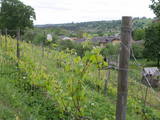 |
Already in the 10th century, an ancient village was located at the Sabile hill fort. After the division of Course land, Sabile was won by the Livonian Order, which built a stone castle (not preserved) here. Sabile is first time mentioned in written sources in 1253. During the 15th century an urban area started to develop at the castle. Town right was awarded to Sabile in 1917. Today Sabile is a small town, surrounded by many notable monuments. Roma culture is an integral part of Sabile and therefore, Sabile is also known as the Latvian capital city of Roma. Sabile has long been known for its wine-growing and oenological traditions, which have been reborn and enjoyable during the Sabile wine festival. |
|
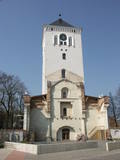 |
Work on a new church began in 1574 at the commission of Duke Gotthard Kettler of Courland and Zemgale. The steeple was installed between 1686 and 1688, and in 1862 its height was increased to 80.5 m. The church burned down because of Soviet bombardment on July 27, 1944, and in 1954 the Soviet military blew up its ruins. Reconstruction of the steeple began in 2009, and it now has an outstanding interactive museum that is particularly interesting for children, along with a glassed viewing platform. |
|
 |
The Cemetery of the Brethren. A wood
pathway leads from the RīgaVentspils highway
(A10) to a memorial rock dedicated to men who
fell during World War II.
|
|
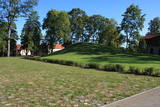 |
The German order built a stone castle here in 1242, and only a few fragments of it remain along with a vaulted cellar in which local wines can be tasted if you register in advance. The castle of the Duke of Courland was here later, but it was destroyed during the Great Northern War in 1701. Reconstruction of the park involved wooden pathways and bridges, information stands, a pergola and a fountain. There are 22 sculptures in the park that are the work of Līvija Razevska. |
|
 8 days
|
The tour from Rīga to Tallinn combines natural and cultural heritage and includes lovely landscapes and 15 nature trails which cross marshlands, meadows and forests along the shores of the Baltic Sea, including several protected nature reserves. Many trails are equipped with viewing towers for birdwatching. Randu meadows near Ainaži contains one third of Latvia’s entire plant species. A boardwalk leads through reeds to a viewing platform with views over the meadow and the sea. Saaremaa island is interesting with very different natural attractions to the mainland - dolomite cliffs, juniper heaths, a meteorite lake and rocky sea shore. The tour passes rural farms and traditional villages typical of the coastal areas. Hiiumaa island is a laid back place and retains a very Estonian atmosphere with an important bird reserve at Käina Bay, unusual Sääre Tirp as well as several small islets off its south-eastern coast. Back on the mainland, Paldiski peninsula gives a glimpse of the recent history with its former Soviet military base |
|
 |
The cafe is situated in the centre of Jekabpils city, not far from the river Daugava. They offer rooms for banquets and celebrations,as well as celebration organization services. Working hours Mon-Thu: 10.00-22.30; Fri-Sat: 10.00-03.30; Sun 11.00 – 22.30 |
|
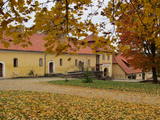 |
The estate in Milzkalne that is along the banks of the Slocene River dates back to the 15th century, when it was built as a closed complex for the Livonian Order. It is the only fortified estate of its type to have survived to the present day, and it was once used as a hiding place for aristocrats during an attack. The gate towers with their ornate weather vanes were built in the late 17th century, and the ancillary buildings date back to the 18th and 19th century. A brick wall with firing apertures survives. The Latvian Road Museum is in one of the wings of the complex, while the former mansion offers accommodations, tours and tastings of local goodies. |
|


