
| No | Name | Description |
|---|---|---|
 |
The family company in the centre of Trikāta prepares a variety of chocolate delicacies - truffles, chocolates figures. During summer you can buy ice-cream made from the milk and cream of local producers. |
|
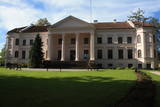 |
Līdzmūsdienām ir saglabājusies vecā - 18. gs. vidū klasicisma stilā celtā vecā kungu māja (šobrīd netiek izmantota, skaisti sīkrūšu logi!) un tai iepretim - pēc 1905. g. ugunsgrēka atjaunotā (1912. – 1913. g., neoklasicisma stils) jaunā pils, kurā atrodas Īvandes pagasta pārvalde, bibliotēka un jauniešu tūristu mītne. Ēkā saglabājušies atsevišķi interjera elementi – parketa grīdas, koka kāpnes u.c. Muižas parkā joprojām zaļo Baltijā lielākā Eiropas baltegle. Tās augstums pārsniedz 32 m, apkārtmērs - 4 m. Parkā izveidota atpūtas vieta. |
|
 1 day
|
The Daugava is the largest river in Latvia and the river of destiny for the Latvian people. Since the end of the Ice Age, plants and animals travelled into what is now Latvia along the Daugava River valley, followed then by humans. The shores of the river have some of the oldest settlements in Latvia, as well as a true wealth of different kinds of plants. The density of outstanding cultural and historical monuments is why tourists love the shores of the river. The Rīga-Daugavpils rail line offers comfortable travel between Rīga and Jēkabpils. Below, find other train stations where it is worth disembarking to take circular hikes that last for a few hours or half a day before returning to the station. Route information from Latvijas Lauku forums |
|
 |
Saimniece piedāvā sertificēta pirtnieka pakalpojums, organizē latviskos pirts rituālus, vada izglītojošas programmas par augu spēku izmantošanu savai labsajūtai. Apvienojot pirtnieka pakalpojumus un pašas ražoto produkciju, saimniece radījusi zīmolu - “Arnitas labsajūtu darbnīca”. Kā mājražotāja piedāvā pašceptu maizi, zāļu tējas un augu sīrupus, kā arī meistardarbnīcas kulinārā mantojuma jomā. |
|
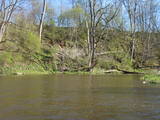 |
Small sandstone outcrops on the shores of the Ciecere River. Fish fossils have been found here.
|
|
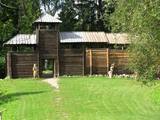 |
Kassinurme hills were formed during the last Ice Age, and an ancient stronghold and a sacred grove can be found in the hills. At the foot of the stronghold a stage has been built; a swing, tepees, a campfire place and a model of the stronghold are located in the forecourt. Nature, health and antiquities trails are located nearby. |
|
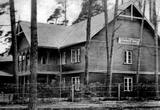 |
The “Strand” Complex – it was the largest and most luxurious recreational complex in Neibāde. It consisted of three buildings, a dance pavilion and a park. Only one building of the hotel, the same as what was once Saulkrasti outpatient clinic at 17 Ainažu Street, has survived until nowadays. |
|
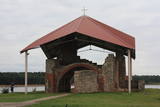 |
Since the 1970s, these ruins have been on a small (100 m long) island that is part of the reservoir of the Rīga hydroelectric power plant. The island is named after St Meinhard and the ruins are part of the oldest stone building in Latvia. Work on the church began in 1184, but it was rebuilt and sacked several times, most recently in 1916. The ruins have been conserved and are protected by a metal cover. The shores of the island have been strengthened. The 10 metre metal cross on the island was designed by E. Samovičs, while the stone altar was sculpted by J. Karlobs. |
|
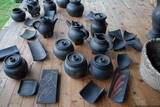 |
The attractive potter is a member of the “Potter School,” and he uses knowledge from his ancestors. The “Malny Wylky” workshop offers a look at traditional pottery work, including a foot-powered potter’s wheel and a firing pit that uses firewood and the smoke technique. You can examine and purchase the finished products. Vēsma, in turn, is an oil painter and will demonstrate her artworks. |
|
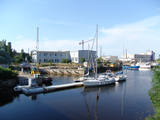 |
It is said that Krišjānis Valdemārs began to dream about a port at this location when he was a child, but a so-called protective port was only established in Roja in the early 20th century, with a protective dam 500 metres from the shore that was 213 m long. The dam gradually disappeared, and the port was shut down in 1933. Work on straightening the Roja River began in the 1930s, using a French machine to create berms and build rock dams and pile-based breakwaters that were subsequently extended several times. In 1932, fishermen built a 107 m breakwater. Reconstruction of the breakwaters was completed in 1972. The fishing kolkhoz Banga used to be active here, merging shoreline fishermen’s homesteads. (Source: Roja TIC) |
|
 |
This wooden pathway will introduce the visitor to a high-type swamp and a unique habitat – a place where sulphur streams flow into the Raganu swamp. The little lakes in the swamp are unique – they are the result of sulphur bacteria, and there is a special range of species in those lakes. The landscape is interesting, and the smell of sulphur pervades, mostly from sulphur ponds. The trail is 800m long and will require 20 minutes to an hour to traverse. The object is on the border of the Zemgale and Vidzeme regions.
|
|
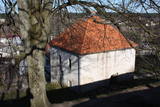 |
The Old Town of Kandava is located around the old Market Square and dates back to 1881, after a fire in the town. The urban environment in Kandava is made up of farms with various buildings, closed yards, passageways and walls made of fieldstones. These can be seen in Talsu Street and Sabiles Street. Uncommon for Latvia is Lielā Street. At the foot of the Bruņinieku Castle Hill is a model of the Castle of the Livonian Order that was created in 2010. |
|
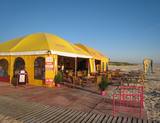 |
Beach cafe at the end of Jūrmalas Street, by the beach, in Liepāja. Live music in the Wind Garden on Wednesdays, Fridays and Saturdays. Offers breakfast, lunch, dinner, coffee and drinks. |
|
 |
Rečina Old-Believers Prayer House was built in 1912. It has a rectangular shape with a single-hall,
rubble-wall foundation and a small tower on the top of the altar.
|
|
 |
The owner has a collection of some 2,000 spoons which he has carved from 70 types of wood from trees and bushes during more than 30 years. The smallest spoon is made of osier, while the largest one, “A European Spoon,” is larger than the height of a human being. The artist also produces paintings made of wood. You can watch him at work, purchase the spoons, and tour his museum. |
|
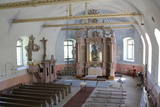 |
Храм построен в 1766 г., а колокольня возводилась в 1897 году. Орган, построенный в 1859 году органным мастером Ансисом Динсбергсом, считается старейшим органом Латвии работы латышского мастера. Запрестольный образ «Пасхальное утро» создан Янисом Розенталсом в 1912 году. Церковь можно осмотреть изнутри. |
|
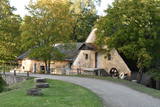 |
Jaunpils ūdensdzirnavas ir industriālā tūrisma apskates objekts, kurā ir saglabājusies dzirnavu iekārta, kas darbojusies 20. gs. 20.−30. gados, kā arī hidrotehniskās būves un ūdenskrātuve. Šobrīd dzirnavās ir izveidota ekspozīcija par pašām dzirnavām, malšanas procesu un graudkopību. |
|
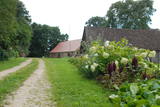 |
The Pilkalne Estate is in a remote location on the border of Latvia and Lithuania, 5 km to the Southwest of Nereta. Lovers of history certain must visit this estate. Why? One reason is that the grain kiln of the estate, which is gradually being restored, and the grain drying stove, a few wooden parts of which have been preserved, are unique in Latvia. The stable and servants’ home have also survived and are populated today. The buildings were built in the 18th century. The owner can tell you stories about interesting aspects of this location’s history. |
|
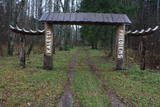 |
Kalētu muižas bijušais medību dārzs. Muižas laikos šeit ierobežotās platībās turēja meža dzīvniekus, kuru medības bija populārs muižniecības izklaides veids. Parkā uzmeklējams piemiņas akmens Krievijas imperatoram Aleksandram III, kurš šeit nošāvis briedi (irsi). No Kalētiem Latvijas teritorijā „ienāca” staltbrieži, kurus medību vajadzībām 1848. g. atveda no Vācijas. Parkā izveidotas takas un atpūtas vietas. |
|
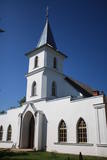 |
The Ilūkste Roman Catholic Church is to the North of Unity Square. The first stone church in Ilūkste was financed by the Plater-Sieberg dynasty of noblemen between 1754 and 1769. The current church was built in 1816. In 1861, it was taken over by the Orthodox Church, but it was returned to a Catholic congregation in 1920. The church was restored in 1921. The interior can be viewed during worship services. |
|


