
| No | Name | Description |
|---|---|---|
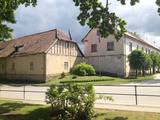 |
Known as Alšvanga in the past, this place was mentioned for the first time in 1231 in an agreement that was signed between the deputy legate of the pope in Rome and the Courlandian tribes of the region. The Livonian Order ruled the territory until 1561, and from 1573 until 1738 the order’s castle belonged to the von Schwerin dynasty from Pomerania. It during the rule of this aristocratic family that a stone church was built in honour of Archangel Michael, and local residents began to convert to Catholicism. Alsunga became the Catholic centre for all of Kurzeme, and local residents became known as the Suiti (from the Schwerin suite). For nearly 400 years, Alsunga has been the historical centre of the Suiti territory. This is Latvia’s most conservative region and is widely known with unusual songs, colourful folk costumes and various folk traditions and beliefs. The Suiti have their own dialect, foods and many other things that have been long since abandoned or forgotten elsewhere in Latvia. The religious has commingled with the folk here in one unique whole. The Alsunga District covers 191 km2 and has some 1,500 residents. |
|
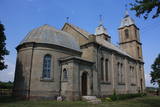 |
Atrodas nomaļā vietā, 0,7 km no Daugavpils – Krāslavas (A 6) ceļa, Daugavas virzienā. Dievnams celts 1933. – 1938. gadā koka kapelas vietā pēc Prāvesta Vaclava Kozlovska projekta, kurš pats arī vadījis celtniecības darbus. Dievnams celts no lieliem cementa ķieģeļiem. Tā lielajā altārī novietota Svētā Antona glezna, bet sānu altārī – Jaunavas Marijas statuja. Gan glezna, gan statuja ir pārvesta no Izvaltas baznīcas. Ikdienā baznīca apskatāma no ārpuses. |
|
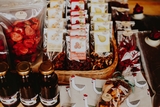 |
The farmwoman grows vegetables and fruits to produce tasty preserves, syrups, jams, chutneys and dried fruit. You can taste and purchase the products, go on a tour of an escargot farm, and taste escargots cooked in the Burgundy style. Children’s camps can be organised. |
|
 |
The café is in the Oga shopping centre, offering cheeses that are the “business card” of the city. |
|
 |
The café is located in the centre of Talsi, near Church Square, not far from Talsi lake. Latvian cuisine: Bean, sorrel and chilled soup, grit or pea porridge, sautéed vegetables and meat, homemade steak haché, grey peas with bacon, pork ribs, potato pancakes, whipped fool, fruit juice gelatine with milk. |
|
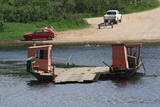 |
In the southern part of Līvāni, where Zemgales Street ends at the Daugava River, there is a fairly unusual and exotic form of transportation – one of three river crossings in Latvia. Unlike the one in Līgatne, this one is operated by a motor, not the flow of the river. It involves a cable across the river, and it is based on Soviet military pontoons that were used to build pontoon bridges for tanks. The crossing point was established by its owners. |
|
 |
Der Stützpunkt des Livländischen Ordens. Der Bau der Burg war eine Strafe für Ortsbewohner. Die Burg wurde nach dem Befehl des Dänischen Königs Frederik der II 1576 vernichtet. |
|
 |
Windmill restaurant Saaremaa is the most popular restaurant amongst locals, offering the best and freshest products. The menu includes game meat from Saaremaa forests, smoked fish during summer, treats from berries, local apple wine, as well as the best wines of Saaremaa Island. |
|
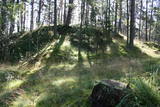 |
Near the place where the Kilmiņupe River flows into the sea is the legendary Trommel castle hill, which was a Medieval fortification. It is some 100 m from the Kraujas homestead. An archaeological dig in 1977 found fragments of bricks and pot-bellied stoves, which suggests that the fortifications date back to the Middle Ages. The location also is linked to stories about a pirate, Trommel, who buried his loot here. The holes in the area have been left behind by treasure hunters. Trommel supposedly robbed ships in the Bay of Rīga from the shores of Kurzeme to Roņu Island. Many ships docked here in ancient times, waiting for better winds so that they could pass by Cape Kolka. The pirate made use of this fact, also pillaging property from sunken ships. It is said that Trommel lived in a stone castle. (Source: Roja TIC) |
|
 |
Atrodas Baznīcas ielā 10. Skaistā ēka ir viena no nedaudzajām 17. gs. celtnēm, kas būvēta koka pildrežģa tehnikā (restaurēta 1986. g.). Kurzemes hercogistes laikā tajā atradās pirmā zāļu tirgotava. Apskatāma no ārpuses. |
|
 7 days
|
We strart the tour from Riga by bus and proceed along the Baltic Sea coast, passing through many different landscapes - white sandy beaches, coastal meadows, dunes with pine forests and steep banks. Many beaches are wild and completely deserted. Access to these territories were highly restricted during Soviet times. The route leads through ethnographic fishermen villages at Nida, passing Pape nature reserve where wild horses graze. The bustling city of Liepaja impreses with its lively promanade and music scene. The city also has a long military history which can cleary be seen walking among the naval fortifications and visiting the former millitary town. Well-maintained Ventspils has a pleasant market, castle and numerous parks. A restored narrow-gauge railway with working steam engine is well worth a visit as well as the Craft House - ideal for local handmade souvenirs. On the way back the tour goes through the pretty provincial town of Kuldiga with well- preserved wooden architecture. The tour includes two of the most interesting national parks: Slitere which holds the geological history of former ages and Kemeri with its great heath trail and sulphur springs. |
|
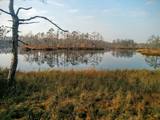 |
Cena's heath swamp's trail was made to introduce vistors to one of the most beautiful things in nature - a moss swamp. The pathway goes not only around beautiful swamp lakes but also meets the degraded part of the swamp. At the beggining and the end is a watch tower. |
|
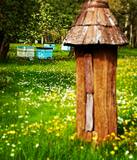 |
This is a beautiful farm that is friendly to the environment and has some 300 hives of bees. There is a shop along with a tasting hall where you can enjoy honey made of various flowers, pollen (including pollen in honey), propolis (also in honey) bee bread, wax and souvenirs. Taste beekeeping products (including honey wine) and take a tour of the farm, as well. This farm uses traditional hives to extract honey, and it offers a look at hives that were used in the past. The owners are happy to talk about the development of beekeeping in Latvia and their experience in this regard. New! BeeHive bee healing therapy! |
|
 8 days
|
The route brings you to Kaunas, multiple Lithuanian regional parks and allows to enjoy the landscapes of the river Nemunas. Kaunas is Lithuania’s second largest city. It is notable for its modernist architecture. The city is located at the confluence of the two largest Lithuanian rivers: Nemunas and Neris. Moving further from Lampėdžiai to Vilkija, the Forest Trail runs for two days along trails and small countryside gravel roads next to the right bank of the river Nemunas. This section is shaped by beautiful landscapes with views of the river, the waterfront meadows and small villages. Do not miss the ferry in Vilkija crossing over the river Nemunas, one of the few still in operation in the Baltic States. For the next two days from Vilkija, the Forest Trail runs through its most spectacular sections in the Dubysa Regional Park from Kirkšnovė to Šiluva with mounds on riverbanks and historical churches now and there. This regional park covers the impressive Dubysa river valley, which reaches a depth of 40 m and a width of up to 500 m. Be prepared for a rolling terrain. Next, the route will take you to the town of Šiluva – the Catholic pilgrimage site – and to the Kurtuvėnai Regional Park. It is among the most forested areas of Central Lithuania; thus, the regional park with its glaciated valleys is a wonderland of forests, waters and wetlands. The Forest Trail leads along small forest paths, tourist trails, beautiful tree alleys and wetlands. The walk ends in Šaukėnai village, from where the city of Šiauliai is easily reached. |
|
|
|
Ļoļi Devil’s Footprint is situated in Mākoņkalns rural territory in a small forest lawn several meters from the
ditch, which is a borderline of the Rēzekne and Krāslava districts. It is about 1,9 m high truncated cone, the base
perimeter 1,8 m. According to the legend, the boulder had a curvy of the horseshoe prints. Now it’s shapeless. For the
first time the stone as a geological monument was established in the 1930s. It was in Andrupene rural territory.
|
|
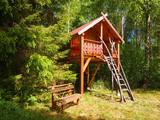 |
The owner is a sauna master, healer, masseur and Reiki master who is interested in ethnic culture and offers guests real leisure and health improvements that have been tested by his ancestors -- sauna programmes, the secrets of medicinal plants, restoration of links to nature, as well as entertainments on the water. |
|
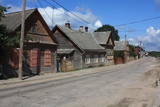 |
The wooden buildings with few floors emerged in the 19th century. Tourists can look at typical closed yards, verandas, wooden elements and decorations. The city suffered from fires in 1866 and 1938. The Market Square is the historical centre of Ludza, while the Ludza castle hill dominates the region. The streets of the city were established around the hill, which had an ancient Lettigalian wooden castle late in the 14th century. The Livonian Order replaced with the mightiest brick castle in Latgale. It was sacked in 1654 by the forces of Tsar Alexei Mikhailovich. The castle hill offers a lovely view of Latgale and the oldest city in Latvia and its historical centre. |
|
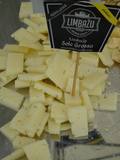 |
The Limbažu Cheese factory has more than 90 years of experience with dairy processing. It only uses milk from local farmers in Vidzeme, while the dairy processing technologies have been brought in from Switzerland. Limbažu Cheese exports 95% of its output. Alongside the company and on the other side of the street from the ruins of the Limbaži castle is a little store where the company’s products can be bought. |
|
 1 day
|
Ekskursijas laikā apmeklējiet dabas taku, kurā ir iespēja iepazīt Amatas novada dabas objektus gar Kumadas upes, Dančupītes un Amatas upes krastu. Pēc tam apmeklējiet Cēsu pils kompleksu. Viduslaiku pils sniedz iespēju iejusties 800 gadus tālā pagātnē, uzkāpt ar sveču lukturīšiem Rietumu tornī, nokāpt cietumā, kā arī redzēt, kā kalējs darina latgaļu rotas. Blakus esošā Jaunā pils ir 18. gs. celta pilsmuižas kunga māja, kurā tagad atrodas Cēsu Vēsture un Mākslas muzejs. Ekskursijas noslēgumā dodieties uz lauku māju Smiltenes novadā, lai iepazītu maizes cepšanu pēc sentēvu tradīcijām, kā arī pašiem izveidot savu maizes kukulīti. |
|
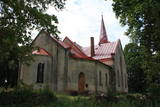 |
A bit less than one kilometre from the Aizkraukle castle hill, the church can be seen from the Rīga-Daugavpils highway (A6). The church was built in 1688 on the steep banks of the
|
|


