
| No | Name | Description |
|---|---|---|
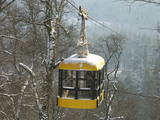 |
The aerial tram across the Gauja is the only vehicle of its type in the Baltic States. It was installed in 1969 with the help of engineers from Georgia. The crossing is 1060 m long, and the cable which crosses the river is just one cable without any supports. The tram rides about 40 metres above the river, and it offers an outstanding look at the local landscapes. During the evening, the tram is used by Bungee jumpers. |
|
 |
Šūpošanās ir veselīga nodarbošanās, šūpoles ir enerģijas uzkrāšanas avots. Kad dabā veidojas spēcīgs enerģijas maksimums, šūpojoties iespējams saņemt īpaši daudz. Šūpoles ļauj atrauties no zemes, kaut uz mirkli. Parka teritorijā ir brīvdabas pavarda vieta un pirts. Saimniece piedāvā profesionālus pirts rituālus un nakšņošanas iespējas. |
|
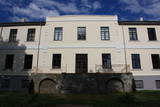 |
Atrodas stāvā Tebras (Dzirnavdīķa) ziemeļu krasta augšdaļā (Skolas ielā 1). Ēka celta 19. – 20. gs. mijā kā Aizputes muižas jaunā kungu māja. Tajā atrodas Aizputes novadpētniecības muzejs (no 1999. g.) un Aizputes TIC. Ekspozīcija par Aizputes pilsētas un apkārtnes vēsturi tiek pasniegts saistošā veidā, ļaujot apmeklētājiem iejusties vairāku gadu desmitu seno notikumu atmosfērā. |
|
 |
Kõpu lighthouse s the world’s oldest continuously operating lighthouse. There are exhibitions in the lighthouse, and a cafe. |
|
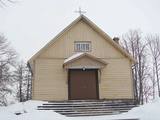 |
St. Virgin Mary Roman Catholic Church of Dukstigals. The
wooden church was burned down in the World War II and restored in 1947. The church has the icon of Our
Lady in the central altar and the statue of Our Lady.
|
|
 |
A café in Baloži, located 11 km from Riga, that offers a wide range of dishes for every taste, from breakfast and snacks to a variety of main dishes, both from local and European cuisines. An especially friendly place for families with babies. |
|
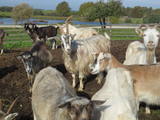 |
The pride of the farm is a herd of approximately 100 goats, and the owner produces milk, cheese, cottage cheese and yogurt from goat milk. You can go on a tour, visit the animals, and taste and purchase biologically produced and healthy products. You can go fishing in the nearby pond and then grill your catch. |
|
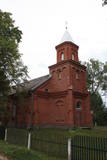 |
Atrodas iepretim bākai. Saukta arī par Pizes (Miķeļtorņa lībiskais nosaukums) baznīcu. To uzcēla 1893. g. Padomju laikā ēkā bija izvietots pionieru nometnes klubs. Tagad tā atkal kalpo savam pamatmērķim. |
|
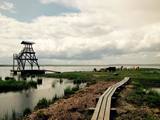 |
Engures apkaimē aug 22 no Latvijā sastopamajām 32 orhideju dzimtas sugām .Lai dabas parka apmeklētājiem dotu iespēju aplūkot šīs interesantās augu sugas, ierīkota Orhideju taka. Kopējais takas garums ir 3.5 km, tā sākas netālu no Engures Ornitoloģisko pētījumu centra, līkumo caur kalcifilajiem purviem un mežam putnu novērošanas torņa virzienā, un aizvijas tālāk gar atjaunoto ezera piekrastes pļavu, kurā mīt govis un zirgi. Takas sākumā novietotajā informācijas zīmē attēlotas ne tikai apkārtnē sastopamās orhidejas. Tur iespējams gūt daudzpusīgu informāciju arī par citām interesantām Engures ezera dabas parka augu sugām.
|
|
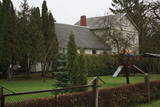 |
Atrodas Tirgoņu un Zāļu ielas krustojumā (Zāļu ielā 12). Interesanta ar faktu, ka šī ir vienīgā padomju laikā uzbūvētā (1948. g., pēc citiem avotiem – šajā gadā atjaunota) Latvijas baznīca. |
|
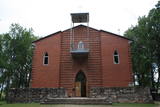 |
The first church in Vecpiebalga was built in 1345, and the next one was built between 1839 and 1845 by the Livonian builder Mārcis Sārums. The church was destroyed in 1944 and restored between 1995 and 1997 (architect Ausma Skumiņa). The altar painting is titled “Christ Walking in the Land of Piebalga.” Outside the church is a rock to commemorate those who suffered from political repressions in Latvia. |
|
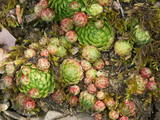 |
This is a short stretch of the Daugava River valley between Lielvārde and Dzelme, with islands and shallows in the river, as well as with reeds and wet meadows alongside it. During migration season, many goose-type and plover-type birds rest and feed here. The location is also an important nesting area for several other kinds of birds.
|
|
 |
Neliela apdzīvota vieta, kuras apkārtnē jau izsenis iegūta kūdra un ārstniecības dūņas, kas izmantotas Ķemeru kūrortā. Kūdrā atrodas padomju laikā celtā dzelzsbetona rūpnīca, kura nodrošināja ar būvniecības materiāliem tagadējo Kauguru mikrorajonu.
|
|
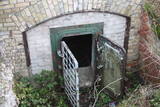 |
The so-called Comet Fort was built on the Left Bank of the Daugava at its mouth, not far from the present Daugavgrīva lighthouse. It was built around the same time as the other forts of Mangaļsala (around 1808, although some sources say 1788). There were four Kane-type 152-mm cannons. The defensive batteries at Komētforts and Mangaļsala repelled a British naval attack in the Daugava estuary in 1855. It has to be added that Komētforts is a cultural monument of local importance. If we go along the shore of the sea from the Daugavgrīva nature reserve toward the Daugavgrīva lighthouse and scale the frontal dunes (without going past the sign which says “Closed Territory. Border Zone.”), then we can see the positions of the cannons, as well as underground cellars where munitions were once stored. The territory starts approximately 500 metres before the Daugavgrīva lighthouse and stretches to the lighthouse itself. During Soviet times, the territory was closed to civilians, because many secret military objects were in this area and in Bolderāja.
|
|
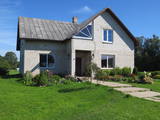 |
The creativity of this farm woman is seen in the preparation of various country goodies – cheese, baked cheese sticks, etc. The farm is biologically certified and uses its own produce. Tastings and purchases are offered, as are tours for groups of 10 people or more. |
|
 |
Männiku forest farm uses local ingredients, especially from plants. Thanks to the years of experience in the production of plant origin food, the farm is visited by guests from all over the world; only groups are admitted. |
|
.jpg?size=160) |
The Jokas farm is 4 km to the East of Turlava. Owner Jānis Uzulēns has purposefully developed and expanded the farm ever since it was established in 2011. He is particularly proud of his herd of beef cows, some 70 in all, as well as of five horses. The farm produces sausages and other meat products and also offers services such as managing forests and fisheries. |
|
|
|
Atrodas Lielvārdes parkā pie Rumbiņas ietekas Daugavā. Līdzīgi kā citur, arī šeit 13. gs. pirmajā pusē bīskapa pili cēla nodedzinātās lībiešu koka pils vietā. Mūra pili nopostīja Livonijas kara laikā - 1577. g. Tikai 1987. g. notika drupu konservācija. Lielvārdes parka veidošanu uzsāka 19. gs. beigās Lielvārdes muižas barona Artura fon Vulfa vadībā. Sagaidot eposa „Lāčplēsis” simtgadi tajā izvietoja sešpadsmit no ozolkoka veidotas skulptūras (t.s. Skulptūru dārzs) (autori V. Ansavs, P. Mellis, Ē. Delpers, A. Dauvarte). Aiz pilsdrupām Daugavas krastā ir stāva krauja ar dolomīta iežuatsegumu. Līdz HES ūdenskrātuvei var nokļūt pa kāpnēm. Lielvārdes muižas pils līdz mūsdienām nav saglabājusies. |
|
|
|
Atrodas Kokneses tūrisma centra telpās (1905. gada ielā 7). 160 cm garais un 120 cm augstais makets ir Vittingenas (Vācija) dāvinājums Koknesei, atzīmējot 10 gadu sadraudzības jubileju. Šāda Kokneses pils izskatījās ap 1701. gadu. |
|
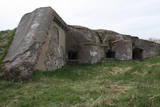 |
In addition to the Northern Forts, coastal batteries and Karosta district of Liepāja that are all mentioned in this database, there are other impressive elements of the former fortifications system – Lunete (the southern part of Lake Tosmare), the Central Fort (between Grīzupes Street and 14 November Boulevard), the Eastern Fort (to the South of Brīvības Street and the North of Lake Liepāja), the Southern Fort (at the Pērkone canal), and the Old Forts at the Olimpija stadium. All of these locations are freely accessible, but be careful if you go inside the former forts – they were blown up at one time and may remain dangerous.
|
|


