
| No | Name | Description |
|---|---|---|
 |
The property is located in the picturesque Karula National Park (Karula Rahvuspark). Here you can have a meal and spend the night. The food is mainly prepared from local ingredients in the household kitchen. The farm also breeds bulls. |
|
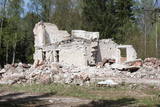 |
The communications facility in the forests of Bārta has been abandoned and is not being used other than for dismantling of buildings to obtain building materials.
|
|
 |
A fish processing plant which has collapsed down to its foundations (it
ended operations in 1978)
|
|
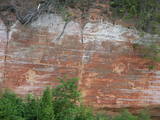 |
One of the most popular areas of uncovered sandstone in Latvia, known for its unusually smooth and sound-reflecting cliff wall (around 12m in height). Located on the right bank of the Salaca river, there is a place for tenting. A fun experiment is to stand in various closes opposite the cliff and to speak quietly. The echo will be heard either by the speaker or by people who are standing elsewhere. Located in the Salaca valley nature park and the Skaņaiskalns park.
|
|
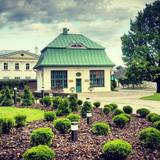 |
Located at Pils Street 25A in Alūksne, this is a building that was initially a trade pavilion and was built in the early 20th century. The Ernst Glück Bible Museum was established in 1990 as the only museum of its type in Latvia and the Baltic States. Glück (1652-1705) was a pastor and educator who was the first to translate the Bible into Latvian. The exhibition features various editions of the Bible from 1694 to the present day in 38 languages, along with books of sermons and other examples of Christian literature. |
|
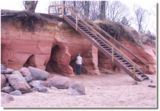 |
Ainavisks jūras viļņu izskalots smilšakmens atsegums
dienvidos no Zaķupes ietekas.
|
|
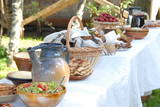 |
This facility is in the historical village of Pape in Southern Kurzeme. Accommodations are available in an historical granary with a roof made of reeds. It is appropriate for inhabitation during the late spring, the summer and the early fall. There are three bedrooms, a small front room and a kitchen, with two floors in all. The building will fit eight people. This is an ideal location for creative camps, plenary sessions, master workshops and other activities. There are tenting areas for as many as 80 people. The Mikjāņi farm observes local traditions and offers traditional foods such as “herring on coals,” white butter with boiled potatoes, fish soup, etc., for visitors who apply for a meal in advance. This offer is only available to groups which register in advance. |
|
 |
Saimniecība "Baltiņi" atrodas Auces novadā un nodarbojas ar lopkopību un lauksaimniecību. Viesiem ir iespēja redzēt un izzināt piena ražošanas procesu, kā arī iepazīt saimniecības dzīvniekus. Saimnieki piedāvā apskatīt padomju laiku auto kolekciju, pieejama arī suvenīru un trauku kolekcija ar govs motīviem. |
|
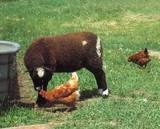 |
The farmyard offers to see the domestic animals, birds and exotic maras as well as horse-back riding on a pony. You can get a consultation about gardening and breeding small animals. It is possible to buy quail eggs, smoked meats, chicken and birdlings. |
|
 |
Karulas nacionālā parka lielākais ezers - 2,8 km garš, līdz 1 km plats. Ezera ziemeļaustrumu krastā atrodas parka apmeklētāju centrs. 5,5 m dziļais ezers ir gan zivīm, gan nostāstiem bagāta vieta. Ezera un tuvākās apkārtnes iepazīšanas nolūkā ir izveidota 3,5 km garā Ehijerva taka (Ähijärve teerada). Tās sākums atrodas pie iepriekš minētā apmeklētāju centra, kur izveidota atpūtas vieta un atraktīvs bērnu spēļu laukums. Taka sākumā ved gar ezera krastu, nelieliem mitrājiem un meža ceļiem, kas izmantoti iepriekšējos gadsimtos. |
|
 |
The cafe is situated in Sabile, where you can eat fast and tasty food. Banquets up to30 people. |
|
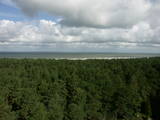 |
This lighthouse is in Ovīši, which is an ancient Livonian village. The 38-metre lighthouse on Cape Ovīši was built in 1814 and modernised in 1860, and it is the oldest functioning lighthouse in Latvia today. Visitors will get a great view of the shores of the Baltic Sea and the forests which cover them. The lighthouse also offers an exhibition devoted to the history of lighthouses in Latvia.
|
|
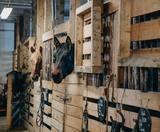 |
Vidzemē, Valmiermuižā, 19.gs. celtā ēku kompleksā, ko iekļauj mūra žogs, atrodas Valmiermuižas stallis un Valmiermuižas jātnieku skola. Tajā saimnieko Jurašu ģimene - zirgkopju, zirgu selekcionāru un vetārstu ģimene daudzās paaudzēs. Ir iespēja doties izjādēs, ekskursijās, kā arī tiek rīkotas radošās nometnes bērniem. |
|
 |
Viena no pirmajām bioloģiskajām saimniecībām valstī. Pamatnozare - dārzeņkopība. 33 ha platībā tiek audzētas sojas pupiņas, cietes un pārtikas kartupeļi, burkāni, galda bietes un citi dārzeņi, kā arī griķi un sinepes. Uzsākta eļļas auga Idra audzēšana. Saimniecībā pamazām pāriet uz pākšaugu audzēšanu, izmantojot moderno tehniku. Iespēja iesaistīties visdažādākajos lauku darbos: sulu spiešanā, pupiņu šķirošanā un našķu gatavošanā. Iespēja apmīļot tādus mājdzīvniekus kā trušus, kazas u.c. Bioloģisko produktu iegāde. Vizināšanās ar laivu un makšķerēšana piemājas dīķī vai ezerā. Nakšņošanai viesiem tiek piedāvāta vieta teltīm pie Adulienas ezera. Iespējama nakšņošana svaigi pļautā sienā siena šķūnī vai siena gubā. |
|
 |
The farm breeds purebred and crossbred cattle for seed, fattening and meat production. It sells piglets and pork, grows grains and potatoes, and engages in beekeeping. Six ponds are used to breed carp, tench and orfe. During the winter, fishing is possible in special basins that are based on the flooding of a curve in the Bērzene River. Valti offers a look at biological farming, beef cattle breeding, genetic work related to purebred animals, and fishing outdoors. The farm has a special seminar room and kitchen for seminars and training. The farm maintains the Oskars Kalpaks trail, which crosses a territory that is geological and landscape interest. |
|
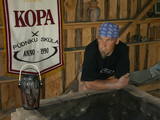 |
Ilmārs Vecelis takes part in the “Potter School” of the Latvian Cultural Fund and, therefore, uses ancient pottery methods that have been tested over the course of many centuries in Latgale. You can tour his workshop, attend the opening of the kiln, try your own hand at the craft, and commission and purchase finished ceramics products. |
|
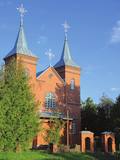 |
Holy Trinity Roman Catholic Church of Stoļerova. The construction
works of the church were finished in 1999 by the support of dean Butāns. The building is slightly larger than
the previous one; the newest (restored) church in Rēzekne district. The church has a specific icon of Our
Lady that was transferred from the chapel of Rozenmuiža.
|
|
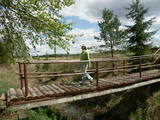 |
A small and forested territory with sulphurous springs, among which the most popular one is the Ellīte sulphur spring. It has sulphurous water with a low level of minerals, and the water supposedly has medicinal properties. The area around the stream is well-appointed, and a pathway leads to it. The stream is considered to be the source of the Iecava River. The restricted area is there to protect biotopes and protected plants which are in the area.
|
|
 |
Mustjala Mustard Saaremaa offers self-made mustard and chutneys, anyone can taste and choose the one that suits you best. We also organise masterclasses where you can learn how to make your favourite chutney yourself. |
|
 5 days
|
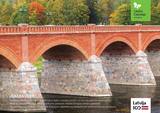
Duke Jacob of Courland was a ruler of the Duchy of Courland and Zemgale for 40 years (1642-1682). There were great changes during his rule, with the ship building industry developing rapidly, the first factories appearing, and agricultural output improving. The duke had a large fleet that brought grain, meat, butter, wool, timber and all that was manufactured at baronial estates in Zemgale and Courland to Western Europe. The fleet was so big and strong that its ships sailed not just to Europe, but also all the way to Tobago and Gambia, where colonies were established to bring sugar, coffee and spices to Europe. The duchy built ships, manufactured paper and saltpetre and wove textiles, brocade and tapestries. Iron manufacturing was highly developed, and ore was imported from Sweden. This made it possible to forge nails, anchors, bells, cannons and other firearms. The duchy produced vodka, vinegar and gunpowder for which there was great demand in Europe, because there were attacks and defences that required it. As much as 25 tonnes of gunpowder were produced each year. One of the gunpowder towers is still in Kandava, though it has been rebuilt many times. The duchy manufactured sails and ropes, as well as hemp ropes. It was said that the fleet of the Queen of England would not have existed without those ropes. The duke also thought about selection of grain, bred livestock, improved land with land reclamation and tried to expand output from his fields. Jacob did not manage to do everything that he wanted to do. A canal to avoid the Venta rapids was not finished, and plans such as the colonisation of Australia were not finished. Yet the era of Duke Jacob was a period of great change in the territory of Latvia, and it has not gone unnoticed that the great achievements of the duke occurred on a small plot of European land. That proves that wise management can ensure lots of progress. |
|


