
| No | Name | Description |
|---|---|---|
 |
Tahkuna lighthouse is on Tahkuna peninsula in the north of the island. It was built from French cast iron parts in 1875 and is the highest in Estonia at 43 m above sea level. |
|
 |
The Peipsi barge is a type of sailing ship specially adapted to Lake Peipsi and Emajõgi River conditions, and originates from the 14th C. Jõmmu was the first barge launched in 2006 following a 50-year gap. The Emajõgi River Barge Association runs varied trips on the Emajõgi River and Lake Peipsi. Little fans of barges can learn about old crafts and shipbuilding at the barge yard. |
|
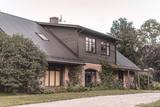 |
The guest house is located near Ventspils, surrounded by meadows and forests, and offers to enjoy the peace and charm of the countryside. The guest house offers accommodation in 7 comfortable and cozy en suite rooms, relaxation in the sauna and a refreshing swim in the pool. There are also 3 camping houses on the territory of the guest house, where you can spend the night in the summer season. Next to the cottages there are comfortable, common toilet and shower rooms. For more active entertainment, there is a volleyball court next to the guest house, which meets all standards, as well as a children's playground, campfire sites and gazebos. The guest house offers free Wi-Fi and parking. Next to the guest house there are two swimming areas - a pond and a small river. |
|
 |
The restaurant is on the eight floor of the steeple of the Church of the Holy Trinity in Jelgava, offering an outstanding view of the town’s most important cultural and historical monuments. The restaurant offers fine dining on the basis of French cuisine, as well as everyday and business meals. Latvian cuisine: Herring filet with cottage cheese, potatoes and onions. Special foods: Marija cake. |
|
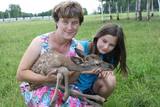 |
Some 250 deer graze on 100 ha of land in the Umurga Parish. The farm also offers a look at peacocks, rabbits, sheep, goats and a pony. Biological products are on sale, and visitors are welcome all year round.
|
|
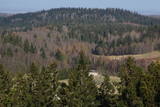 |
This park was set up to protect the landscape and cultural environment of the Haanja highland. At the central part of the park are the two highest hills in the Baltic States – Suur Munamägi, which stands 318 m above sea level, and Vällamägi, which is 304 m above sea level. The ancient Rõuge River valley (Rõuge ürgorg) is found in the western part of the park. It is 7.5 km long and up to 60 m deep. The valley dates back to the Ice Age, and it has seven lakes, including the deepest one (38 m) in Estonia – Lake Rõuge Suurjärv.
|
|
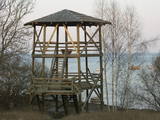 |
This tower is on the shores of the ancient Litorine Sea, with a lovely view of the unique seashore here – complete with small bays and capes. It is part of the Kaltene nature trail, which is around one kilometre long. The location is of particular interest during spring or autumn migration of birds. Two other bird-watching platforms are nearby.
|
|
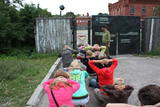 |
The Karosta prison cannot be described, it must be experienced and survived. That’s an opportunity for everyone. This is the best example in Latvia as to how the military heritage can be used for tourism purposes. Others can learn from this site. |
|
|
|
The grave of Ida Apsāne, who was known as the “moon daughter” of the great Latvian poet and playwright Rainis can be found in the old Lašu Lutheran Cemetery, which is 200 m to the North of the Lašu Lutheran Church. The text on the grave reads “Ida Marie Apsahn, b. March 23, 1867, d. April 10, 1887.” Other members of her family are also buried here. |
|
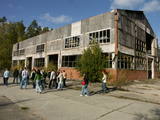 |
By far one of the most impressive Soviet military objects in Northern Vidzeme, this base has now been abandoned. There are buildings, underground bunkers, missile silos, areas of the firing of missiles, etc. This is one of the few remaining places in Latvia where a monument to Lenin still stands. The stone bust once stood in the central square of Alūksne. During the restoration of independence, it was taken down and moved to the missile base. We recommend that you bring a guide with you – otherwise it won’t be worth much.
|
|
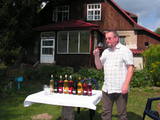 |
The owner of the guesthouse produces homemade wine from blackberries, black currants, lingonberries, oak leaves, birch sap, strawberries, gooseberries, apples, cranberries, cowslip, and 20 other raw materials. You can taste the wines, learn about how it is produced, and purchase some to take along with you. |
|
 |
This farm rears goats and produces various goat’s milk dairy products, making goat’s cheese and other products from fresh ingredients. The farm also grows potatoes, juicy strawberries and other products. The summer outhouse provides space for 15 to 20 people to sit cosily by the table and chat. A light meal made from 100% farm products is offered. |
|
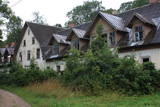 |
Ļoti savdabīga vieta, ko nekādi nevar dēvēt par tūrisma objektu. Vidsmuiža bija viena no Latgales lielākajām muižām, kuras dominante bija 18. gs. celtā un vēlāk pārbūvētā grāfu Borhu muižas kungu māja. Tagad redzamais muižas kompleksa veidols tapis 19. gs. otrajā pusē. Tajā ietilpst kūtis, staļļi, kalpu māja, klētis, sarga mājiņas, kas izvietotas ap parādes pagalmu. Pēdējais tagad ir stipri aizaudzis. Vecākā saimniecības ēka ir mūra klēts (iespaidīga!), ko cēla 18. gs. Regulāra plānojuma muižas parku veidoja 18. gs. franču dārzu stilā. Kungu māja ir „pamesta” un apskatāma tikai no ārpuses. |
|
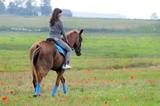 |
Schoolchildren up to the 6th grade are offered tours during which they can learn about animals, feed them and pet them. Older students will learn about the evolution and biology of horses, as well as about work with horses. Easy hikes are offered to tourists. |
|
|
|
Eine gut eingerichtete Strecke des Flusses Driksa (ein Nebenarm des Flusses Lielupe) mit einer zweistufigen Promenade, der im Baltikum einzigartigen Brücke Mītava, Aussichtsplätzen, dem Denkmal Student von Jelgava u.a. |
|
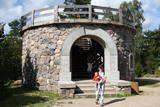 |
This arboretum park is in a lovely place – the Blue Hills of Ogre, where there is a tower with a good view of the Daugava River Valley. The landscape is enlivened by a pond and its streams. There are beautiful hiking trails throughout the park.
Unique species: The Amur Cork Tree (Phellodendron amurense) and the Field Elm (Ulmus minor), among others.
|
|
 |
The 60 km cross-border cycling trail along the Koiva/Gauja River in Estonia and Latvia was completed in 2010. The trail begins at Tellingumäe car park, start and finish points of the trail and the border crossing site are supplied with resting areas and information boards with maps. Signposts are located at crossroads where there may be confusion for cyclists; attractions near the main route are also signposted. Information boards are provided in Estonian, Latvian and English. Tellingumäe car park is also a starting point for an 18-km cycling route. |
|
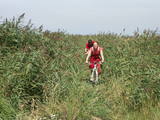 |
Lake Liepāja is shallow and eutrophic (around 40%), and it is one of the most important lakes on the shores of the Baltic Sea for nesting and migrating birds (resting and feeding place). More than 100 different species of birds have been spotted there. The lake is no less important for plants which flourish in salty biotopes. On the north-eastern shore of Lake Liepāja (Vītiņu meadow) there are flood-land plains which are the home to domestic animals which have been adapted to life in the wild. There is also a viewing tower, available upon request with the guide. The system of dams along the south-western part of the lake can be hiked or biked (extreme!) to find lots of interesting viewing areas and landscapes. In the surrounding of the lake there are ruins of unique former fortification systems. |
|
 |
Ööbiku herb farm is located in an ecologically clean area and is engaged in the cultivation and further processing of herbs, berries and vegetables using organic methods. It also dries vegetables, fruits and berries. |
|
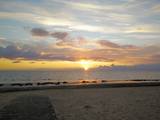 |
The largest town in the region dates back to the 19th century, when three local fishing villages – Neibāde, Pēterupe and Katrīnbāde – became a popular location for leisure and swimming. This led to the construction of many summer homes, and the development of the spa was facilitated by the opening of a rail line between Rīga and Saulkrasti in 1905. New spas and restaurants were opened, and the spa infrastructure was developed. During the summer there were various entertainments, including balls and concerts featuring orchestras from Rīga. Also facilitating the development of the spa was a road and railroad line between Rīga and Saulkrasti that were installed during the 1930s. During the Soviet occupation, leisure homes, sanatoriums and new summer homes were built in Saulkrasti, which was given the status of a city. Today Saulkrasti is attractive because of its white sand beach, as well as various annual events, the Saulriets trail, the White Dune, the unique bicycle museum, Sea Park, the “Centrs” swimming facility, Sun Square, etc. |
|


