
| No | Name | Description |
|---|---|---|
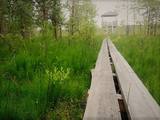 |
Taka ved cauri mežam uz skatu torni purva malā. Takā apskatāma Nāzara priede –priede, pie kuras 1905. gadā nošauts dumpinieks, pati priede – ekoloģiskais koks ar dzilnu kaltiem dobumiem, nokaltusi. Melnalkšņu dumbrājs - slīkšņa ar cūkaušiem un puplakšiem. Oleru purvs no skatu torņa – pārejas un sūnu purvs, kas izveidojies nolaista ezera vietā. Papildus objekti blakus takai, pieejami pa ceļu – Oleru muižas komplekss, Krustakmens, Oleru muižas kapi. Kopējais takas garums: 1,1 km. |
|
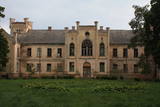 |
A very impressive ensemble that is in terrible shape. The estate dates back to the 18th and 19th century, with the castle being built in the early 19th century. Half a century later it was rebuilt in the Neo-Gothic style with symmetrical towers and bricks in the cornices. The estate belonged to the Manteufel-Stzege dynasty. The vestibule, stairwell and second floor hall still have ornamental ceiling paintings, but visitors are not allowed to enter the building, so they cannot be seen. Valuable interior design elements include a fireplace from the early 19th century that is decorated with marble elements. After the expropriation of the castle in 1920 and until 1951, the building housed a forestry school and then an agricultural crafts school. Opposite the castle was the stable of the state that was built in the style of Classicism with a pediment and mighty columns. Built in the early 19th century, the stable is no longer used and can only be viewed from the outside. A very much overgrown park surrounds the complex, and the hillock is the grave of one of the baron’s dogs.
|
|
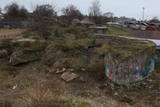 |
On the shore of the Daugava River, to the East of Lielupes Street and South-east of Jātnieku Street, there are the remnants of four battery positions that were blown up in their day. The batteries had 152-mm cannons, and this was part of the former system of fortifications in Rīga (see also Komētforts, the Daugavgrīva fortress, and the fortifications of Mangaļsala). The aim was to protect the city from invaders who came from the sea. From the top of the batteries you can see the Daugava and the northern segment of the manmade Krievu Island (a huge pile of sand). It does have to be said that the condition of this historical monument is quite pitiful.
|
|
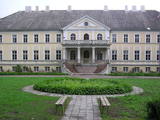 |
The Rudbārži Estate was built at the request of Baroness Thea von Firks from the aristocratic dynasty. After a reconstruction in 1883, the building became an ornate example of Mannerism and Renaissance architecture, with decorative finishing and a larger size. On December 15, 1905, the building was torched by revolutionaries. The restoration began three years later under the leadership of architect L. Reinier. The castle has a holiday hall with two marble fireplaces, the parquet in some of the rooms dates back to the early 20th century, and the outdoor doors have metal engravings. The castle was reconstructed in 1938. It housed a German field hospital during World War II, while after the war it housed a school for forestry workers. In 1962, the Rudbārži school moved into the building, which is now named after Oskars Kalpaks. A commemorative plaque outside the building is devoted to the Kalpaks battalion. During Latvia’s liberation battles, on January 22, 1919, the Bolsheviks occupied Skrunda, and seven days later, Kalpaks’ battalion attacked from the direction of the Rudbārži Estate. After a three-hour battle, the victory was won, with the battalion taking over a strategic line near the banks of the Venta River. This was the first victory for Kalpaks’ men after many retreats, and that inspired the rest of the liberation battles. |
|
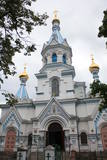 |
Atrodas t.s. Baznīcu kalnā - Tautas ielā 2. Šo uzskata par vienu no krāšņākajiem Latvijas pareizticīgo dievnamiem, kura ārējo veidolu izrotā daudzo torņu kupoli. Tā celta 1905. g. kā Dinaburgas garnizona baznīca ar daudziem nozīmīgiem mākslas pieminekļiem interjerā, t.sk. 19. gs. ikonām. Dievnams ir ikdienā atvērts un apskatāms no iekšpuses. |
|
 |
The LLC Arosa-R is a family enterprise which specializes in growing large-fruited bilberry-bushes and their saplings, as well as selling those. |
|
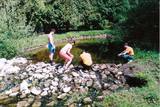 |
This is one of the most outstanding areas in the entire Baltic States with active underground waterways which still, to this very day, dissolve local gypsum rock. Parts of the area collapse regularly, and there are legends about all of this. Underwater rivers, streams, the so-called Karvės (Cow) cave, etc., can be seen in the area.
|
|
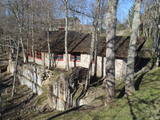 |
The saloon is alongside the Liepāja-Ventspils road (P111), alongside the restored wooden bridge across the Rīva River. The interior design is based on the sea. During the autumn, the large windows open up a view of salmon leaping across the dam of the windmill. Latvian cuisine: Chilled soup, baked potatoes in their jacket, baked filet of flounder and cod, baked herring in a sea buckthorn marinade, pork chop with mushrooms, sausages with marinated onions, grey peas with bacon, mashed potatoes, stacked rye bread, oatmeal with whipped cream. |
|
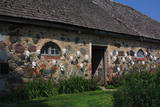 |
Meklējama Skaistkalnes dienviddaļā, Mēmeles labajā krastā, Skolas ielā 5. Vietvārds Šēnberga tulkojums no vācu valodas nozīmē „Skaistais kalns”. No sarkanajiem ķieģeļiem celtā divstāvu muižas pils (historisma stils) tapusi ap 1894. g. (arhitekts Pauls Makss Berči). Ēkā ir saglabājušies dekoratīvās apdares elementi un iespaidīgs kamīns (vienīgais tāds Latvijā), uz kura atainota dzimtbūšanas atcelšanu Latvijā. Kamīnzālē atrodas pirms četriem gadiem atjaunotais griestu plafons. Muižas pilī atrodas Skaistkalnes vidusskola. Muižu ietver parks, kurā atrodas citas ar muižu saistītās ēkas. |
|
 |
Ugandan Resto is a restaurant with a stylish interior, tasty food and friendly service, located in Otepää. Meals are prepared from fresh, premium local products. |
|
 |
Uibo farm offers customers fresh pork dishes, using as little preservatives and additives as possible, characterised by traditional Estonian flavours. |
|
 |
The confectionery, café, and shop is located on the main pedestrian street of Cēsis. They bake wedding cakes following grandmother’s recipes, prepare various pastries, and offer light lunches. They also cooperate with local producers. The most popular rye products: Latvian rye bread cake, traditional layered rye bread dessert, Kurzeme cakes, rye bread toast with herring, and cookies. |
|
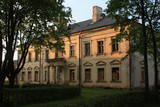 |
Atrodas Viļānu dienviddaļā, Maltas upītes krastos, kuras tecējumu pārtrauc Viļānu HES. Par muižu atrodamas ziņas jau no 15. gs. beigām, kad tā piederēja bruņiniekam J. Loem. Līdzīgi kā Vidsmuiža, arī šī bija viena no Latgales lielākajām muižām, kurai piederēja zemes > 49 000 ha platībā. 18. - 19. gs. mijā ap muižu sāka veidoties Viļānu miests. Muižas dzīvojamo ēku, kas apskatāma tikai no ārpuses, ieskauj parks. |
|
 |
Zemnieku saimniecība "Sprogas" ir Tīcu ģimenes dārzkopības uzņēmums, kura saknes veidojušās 90-to gadu sākumā, bet strauju attīstību tas ieguvis pēdējo desmit gadu laikā. Jau iepriekš "Sprogās" saimniekots ar vērienu – audzētas zemenes, narcises, lefkojas. Saimniecības vadītājs Ivars Tīcs darbošanās prieku dārzniecības jomā mantojis vairākās paaudzēs. "Sprogas" nodarbojas ar vasaras puķu stādu, augļu koku, dekoratīvo stādu, augļu un ogu audzēšanu. |
|
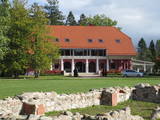 |
About an hour's drive from Riga, in the territory of the old Annas manor, is the internationally recognised design hotel "Annas Hotel". Inspired by the old traditions of Latvian cuisine, the chef creates a new menu every day, allowing you to enjoy a special and extraordinary meal. Latvian cuisine: Stock with chanterelles, rabbit dishes. Special foods: Blackberry-balsamic soup with cottage cheese ice cream. |
|
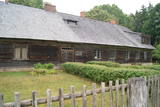 |
The Kubalu school was opened in 1843, and for 28 years it was the only school for the children of peasants at the Dundaga Estate. This is the oldest log schoolhouse in
|
|
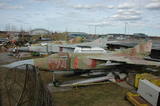 |
The largest collection in Europe of Soviet aviation and military equipment is on the territory of the Rīga International Airport and is open to visitors. The collection was assembled over the course of 40 years.
|
|
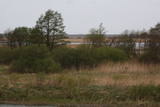 |
At the centre of this restricted area is the eutrophic Lake Tosmare, a former lagoon from the Littorina Sea. The lake and its surroundings offer protection to many plants and birds. At the southern end of the lake one can spot remnants of the former Liepāja fortification system, and to the West is one of the most important parts of that system – the Fortress canal. |
|
 |
The Soviet Border Guard facility at Mērsrags was the start of the border regime zone. Absolutely nothing of the facility is left for perusal today.
|
|
 |
The Pīlādži farm is in the Durbe Parish of the Durbe Administrative District. It is primarily a grain farm, but also breeds livestock and grows flowers and vegetables. |
|


