
| No | Name | Description |
|---|---|---|
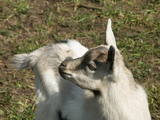 |
The farm breeds goats and uses goat milk to produce cheese and other products. A presentation hall offers visitors a chance to taste ice cream made of goat milk, as well as purchase goat-related souvenirs and other products. There are tours of the farm, too. |
|
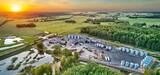 |
Z/s Kotiņi pamatnodarbošanās ir graudkopība ar specializāciju sēklkopībā. Vieni no lielākajiem sēklas ražotājiem valstī. Apsaimniekojamās zemes platība ir 4500 ha, no kuriem 3500 ha ir augstu kategoriju sertificētas sēklas lauki. Audzē kviešus, miežus, rapsi, pupas, zirņus, auzas, rudzus, eļļas rutkus, sinepes, griķus, āboliņu, sarkano auzeni, timotiņu, Speltas kviešus. Saimniecība piedāvā produktus ar pievienoto vērtību:
Daļa no Kotiņu produktiem ir atzīti ar zaļās karotītes kvalitātes zīmi! Kotiņi ir saimniecība, kur lieto Latvijā ražotu 100% zaļu enerģiju. |
|
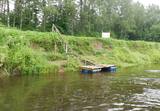 |
Atpūtas vieta Gaujas upes kreisajā krastā, pusceļā starp Virešiem un Aņņu tiltu (Gaujiena-Valka; P23). Pieejams galds maltītēm, ugunskura vieta, sausa malka, telšu vietas, tualete. |
|
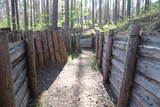 |
Ar Kara muzeja informatīvo atbalstu Garā kāpā pie Antiņiem ir rekonstruēta daļa latviešu strēlnieku nocietinājumu sistēmas. Aspkatāmas ierakumu pozīcijas un vairākas zemnīcas. Netālu atrodas bijusī un no dzelzsbetona veidotā medikamentu glabātuve. |
|
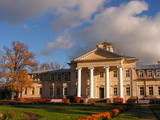 |
The Krimulda Estate was first recorded in documents in the 15th century. The Krimulda Castle that can be seen now is on the right bank of the ancient Gauja River valley opposite the aerial tram. There are outstanding views of the ancient river valley from the castle and the opposite shore. The Krimulda Castle is a Neo-Classical structure which was built by a local nobleman in the 19th century. In the 1920s, the castle was expropriated and turned over to the Latvian Red Cross, which installed a children's sanatorium there. Today the Krimulda rehabilitation hospital is in the building, and among other structures, the ones that have survived include the stables, threshing barn, servants' quarters, governor's quarters, and the so-called Swiss house. Educational tours are available, and overnight stays are possible at the estate. |
|
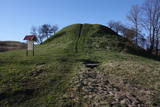 |
Arī Senču pilskalns, Baznīckalns un Velna gulta. Pirmo reizi minēts 1230. gadā kā viens no senās kuršu zemes Vanemas centriem. Ar šo objektu var sākt Abavas senlejas skaistāko skatu apzināšanu. Līdz pilskalna plakumam ved kāpnes, un no tā redzami senlejas vārti un upes ielejas kreisā krasta nogāze, kuras piekājē izvietojusies Jaunkandava.
|
|
 |
The Boulder of Subinaite can be found in Sakstagala rural municipality opposite Vaļenieku House that
is on the left side of the river Rēzekne. The base of the boulder is below the river level; it is 5,2 m long, 4,4
m wide, it rises about 1,6 m above the water level, about 2,5 m below the water level, capacity 26 m3.
Reddish surface is heavily eroded and full of moss. Protected since 1977.
|
|
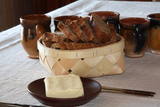 |
This is an authentic Lettigalian farm which dates back to the early 20th century. It features a house, granary, cattle shed, sauna and smithy. Folklore groups perform here. You can celebrate the Summer Solstice, attend a St Michael’s Day market and learn ancient craftsmanship skills. Lettigalian foods are served to groups. |
|
 |
The watermill was restored in the 1920s and renewed operations in 1992. It offers a look at historical mechanisms and the milling process, while the café offers pancakes made of the flour that is ground at the mill. Latvian cuisine: Herring with cottage cheese and boiled potatoes, pancakes with mushrooms, cheese, vegetables, meat, honey, cream, cottage cheese, ice cream and caramel. |
|
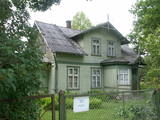 |
This is the one street in Ķemeri where the towns' wooden buildings have been preserved to the greatest degree. Turning onto Durbes Street from Karogu Street, you will find the Miervaldis Ķemers Museum, which is focused on the well known Latvian cultural activist, pastor and painter (1902-1980). The museum is at Durbes Street 21. |
|
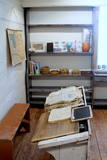 |
The space is on the second floor of the Jūrkalne library, featuring traditional objects from Jūrkalne and the Suiti people, as well as several looms where locals organise creative workshops. Contact the chamber in advance to arrange for a guide who will tell you all about the culture and traditions of the Suiti and present a film about them. |
|
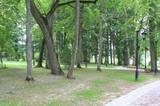 |
This is a natural monument of protected dendrological plants. The park is in the Upmala Parish, covers 2.7 ha, has been protected since 2001 and is managed by the Vārkava Administrative District Council. Judging from the oldest oak trees (approximately 200 years old), the park was established in the early 19th century, with other plants from the latter part of the century. Local species of trees, including maples, elms, fir trees, aspens, oak trees, willow trees, linden trees and hazelnut trees grow in the park, as do more than 10 exotic types of trees and bushes, including various types of maple, aspen, willow, lilac and linden trees. |
|
 |
The Atāli homestead is on Putnu Island, and a local researcher, Ārija Gruberte, has used the threshing barn to exhibit everyday objects used in the area of the ancient Dviete River valley over the course of time. She has collected these items over the course of 20 years, and they include objects dating back to the Stone Age, the Iron age and the Middle Ages. All of them speak to human lives over the course of more than 10,000 years. Please call in advance to arrange for a tour. |
|
 |
Atpūtas vieta ģimenes īpašumā Vārvē, kurā tiek piedāvāti pirts rituāli. Tāpat ir iespēja pārnakšņot namiņā un atpūsties pie dabas un Ventas upes. |
|
 |
Ūdensdzirnavas meklējamas Babrungas (Babrungas) ciema ceļa malā. Dzirnavu ēka ir celta 1816. g. un mūsdienās tajā iekārtota Leonarda Čerņauska (Leonardas Černiauskas) darbnīca un mākslas galerija. Tajā apskatāmas meistara gleznas, koka izstrādājumi un tuvākajā apkārtnē savāktā senlaicīgo priekšmetu kolekcija. |
|
 |
The farm offers premium, locally grown products from herbs found in Dole Nature Park and those that are self-grown. A family-owned company that respects and keeps traditions. |
|
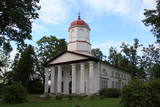 |
Mūsdienās redzamo (pēc skaita – trešo) baznīcu cēla laikā no 1835. - 1837. g. (ampīra stilā) Mārča Sāruma vadībā. Arī šīs ēkas projektēšanā par paraugu bija ņemts Pievolgas vācu baznīcu veidols, tādēļ tā līdzīga Dzērbenes luterāņu baznīcai. Dievnama altāri rotā Otto Donnera fon Rihtera glezna “Kristus debesbraukšana” (1898. g.). E. Martina firmā būvētās 10 reģistru ērģeles (1901. g.) darbojās arī šodien. Pie Drustu baznīcas atrodas 1932. g. atklātais un formās iespaidīgais (E. Kuraua firmas veidots) granīta piemineklis 1. pasaules karā un Latvijas Brīvības cīņās kritušo piemiņai. Nelielā baznīcas sienas nišā novietota piemiņas plāksne komunisma terora upuriem. |
|
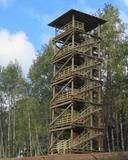 |
Atrodas Numerenes dabas parka teritorijā. 20 m augstais tornis uzbūvēts uz t.s. Numerenes vaļņa, no kura paveras plaša ainava un aizaugošām lauksaimniecības zemēm un nelielu mitrāju ar Kugreņa ezeru austrumu virzienā. Torņa apkaimē izveidota izziņas taka. |
|
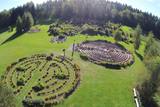 |
This park has five labyrinths with decorative plants, flowers and various kinds of medicinal plants. The longest path in the labyrinth is 1.7 km long. The total distance of the paths is 4.5 km. The park has three geometric figures -- a cupola, a mandala and a Merkabah. |
|
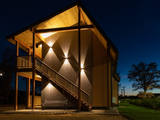 |
Bestes Apartments is a new guest house that can accommodate 45 guests at a time (+ 10 extra beds). The guest house was built and designed in the Latvian style (a wooden building made here in Mūrmuiža), beds made in Latvia, bed linen made in Latvia were used. |
|


