
| Nr | Nosaukums | Apraksts |
|---|---|---|
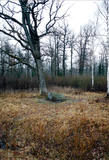 |
Teritorija veidota ainaviskās Neres vidusteces ainavas, sugu un Lietuvas lielākā ozolu meža aizsardzībai.
|
|
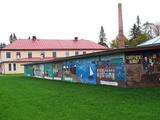 |
19. gadsimta otrajā pusē Igaunijā sākās nopietna piensaimniecības attīstība.Lai saglabātu atmiņas par šo laiku un nodotu tās tālāk nākamajām paaudzēm, 1976. gadā tika nodibināts Igaunijas Piensaimniecības muzejs. Muzeja izstādījumi iedalās divās daļās – pastāvīgā ekspozīcijā un izstādēs. Populāras ir muzeja programmas. Grupas var pasūtīt arī gida pakalpojumu. |
|
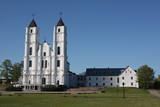 |
Latvijas katolicisma centrs un pasaules nozīmes svētvieta. Tās pirmsākumi meklējami 1699. g., kad dominikāņu ordenis nodibina klosteri, bet gadu vēlāk uzceļ pirmo koka baznīcu. 1768. - 1800. g. top mūsdienās redzamā Sv. Dominika mūra baznīca un klostera ēkas. Baroka stilā celtais dievnams izceļas ar diviem 60 m augstiem torņiem. Kancele, ērģeļu prospekts, ērģeles, biktssols un soli ir darināti 18. gs., sānu altāri - 19. gs. sākumā. Centrālajā altārī atrodas glezna “Aglonas Brīnumdarītāja Dievmāte” (17. gs.), kam piedēvētas dziednieciskas īpašības, tādēļ to atklāj tikai nozīmīgāko pasākumu laikā. Pirms Romas pāvesta Jāņa Pāvila II vizītes Latvijā (1993. g.) tika veikti lieli kompleksa pārbūves un restaurācijas darbi. 15. augustā Aglonā ierodas svētceļnieki, lai atzīmētu Jaunavas Marijas debesīs uzņemšanas dienu. 0,1 km no bazilikas atrodas Aglonas Svētavots. |
|
 |
Piedāvā ļoti gardus Lietuviešu tradicionālos ēdienus. Var pieņemt līdz 1000 personām.Pieņem bankas kartes, ir āra terase, dzīvā mūzika kā arī autostāvvieta. |
|
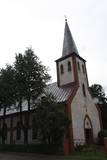 |
Atrodas pie Līvānu dzelzceļa stacijas, Dzelzceļa ielā 17. Tā kā Līvānos nebija luterāņu baznīcas, draudze dievkalpojumus noturēja ugunsdzēsēju depo. 1929. gadā ielika dievnama pamatakmeni un pēc trīs gadiem pabeidza pašas ēkas celtniecību. Saglabājušās ziņas, ka padomju laikā baznīcā bija plānots iekārtot sporta zāli un noliktavu, taču tas neticis īstenots. Jāpiemin, ka baznīca ir celta uz bijušās korķu fabrikas pamatiem. Dievnama zvana iegādei līdzekļus sarūpēja kara ministrs – ģenerālis Jānis Balodis u.c. |
|
 7 dienas
|
Šis maršruts ir veidots, lai parādītu Latvijas rudzu maizes cepšanas tradīcijas. Maršruts izstrādāts sadarbībā ar Latvijas Maiznieku biedrību. Rudzi ir gan latviešu uztura pamats, gan spēcīgs Latvijas kultūras un kulinārijas tradīciju simbols. Maršrutā akcentēta tradicionālā rudzu maizes cepšana un ēšana, kā arī sniegts ieskats rudzu graudu vēsturē no Latvijas senākajiem arheoloģiskajiem laikiem līdz pat mūsdienām. Maršrutā ietilpst apmeklējumi saimniecībās, graudu ražotnēs un kultūrvēsturiski nozīmīgās vietās. Tūre ir paredzēta grupām, un to ir iespējams pielāgot katram klientam, ņemot vērā viņa vēlmes, vajadzības un atvēlēto laiku. Tūrē iekļauts: tikšanās ar ekspertiem, apmeklējumi, tūrisma pakalpojumi - naktsmītnes, ēdināšana, apskates vietas, autobusu īre, gidi. |
|
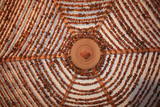 |
Vienreizēja iespēja vērot vienkopus dažādus amatniekus (dzintara apstrādātāji, rotkaļi, audējas, šuvējas u.c.) darbībā un iegādāties meistaru darbus. Apskatāmas pasaules garākās dzintara krelles (123 m, 19 kg!), kas taisītas no pilsētas iedzīvotāju dāvinātajiem dzintara gabaliņiem. Bērniem organizē radošās darbnīcas. |
|
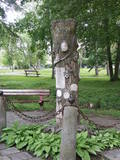 |
Kādreizējā Ķemeru
simbola augšanas vieta.
|
|
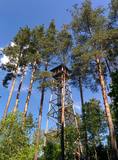 |
Uzcelts apkaimes augstākajā vietā – Ančupānu meža kalnā, kuru vietējie dēvē par „Bāku”. No 26 m augstā torņa redzama ļoti plaša panorāma ar Rēzeknes pilsētas namiem, baznīcu torņiem un apkaimes mežu masīviem, kas mijas ar lauksaimniecībā izmantojamām zemēm. Blakus tornim – atpūtas vieta. |
|
 |
Seno un mūsdienīgo amatu prasmju popularizēšana, izkopšana un tālāknodošana. |
|
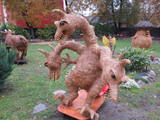 |
Vienīgais Salmu muzejs Latvijā (~ 370 salmu/sienu skulptūras/lelles). Salmu radošā darbnīcā ikviens (īpaši – bērni) pēc īpaši izstrādātas metodikas var iegūt pamata prasmes darbā ar salmiem un sienu. Sagatavotos darbiņus var ņemt līdzi. Saimnieki no salmiem gatavo svētku noformējuma un dizaina elementus, kā arī atraktīvus suvenīrus. |
|
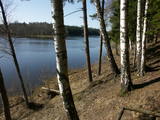 |
Valguma ezers – līdz 3 km garais un
27 m dziļais ezers izvietojies ledāja
veidotā gultnē
|
|
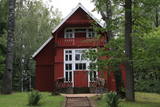 |
"Saulrietos" (3 km no Vecpiebalgas centra), kas atrodas ainaviskā vietā - Incēnu kalnā, ir izveidots leģendārās latviešu pasakas "Kaķīša dzirnavas" autora Kārļa Skalbes (1879 - 1945) memoriālais muzejs. Tas atrodas 1926. g. celtajā dzejnieka un prozaiķa vasaras namā (pavadīja vasaras laikā no 1926. - 1944.g.) un darbojas kopš 1987. g. Blakus esošā Vaktskalna rietumu nogāzē (skaists skats uz Alaukstu) 1992. g. pārabedīja urnu ar Zviedrijā mirušā Kārļa Skalbes un viņa dzīvesbiedres - Lizetes Skalbes pelniem, kur izveidots savdabīgs piemineklis akmens laivas formā. |
|
 |
Restorāns "Light House Jūrmala" atrodas jūras krastā ar visaptverošu skatu uz Jūrmalu. Grila terase uzbūvēta stilizēta kuģa stūres formā. Sadarbojas ar vietējiem zemniekiem un zvejniekiem. Latviešu virtuve: Aukstā biešu zupa, zivju zupa, kūpināts zutis ar lauku krējumu, pīles aknas, kartupeļu biezeņzupa ar gailenēm, cepts zandarts, brieža mugura sinepju mērcē. |
|
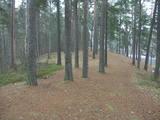 |
Dabas parks veidots g.k. Rīgas „zaļās zonas” aizsardzībai. Tā lielāko daļu aizņem ar priežu silu un mētrāju apaugušas kāpas, bet tā dienviddaļā atrodas Beberbeķu ezers. Ezera apkārtnē ir labiekārtota. |
|
 |
Krodziņš atrodas Jelgavas centrā pie tilta pār Driksu, ko ieskauj jaunizveidotā krasta promenāde. Interjerā izmantoti koka elementi. Regulāri rīko muzikālus vakarus. Latviešu virtuve: Aukstā zupa, cepta butes vai mencas fileja, zemnieku brokastis, kartupeļu un plānās pankūkas. |
|
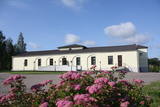 |
Gulbenes novada vēstures un mākslas muzejs dibināts 1982.gadā un apsaimnieko trīs ēkas – Vecgulbenes muižas oranžēriju, klēti un Sarkano pili. Oranžērijas ēkā izvietotas izstāžu zāles un apskatāmas divas pastāvīgās ekspozīcijas „Gulbenes vēsture” un „Jūlijs Madernieks”. Regulāri tiek atklātas dažāda satura tematiskās izstādes. Vecgulbenes muižas klētī apskatāma ekspozīcija „Tautsaimniecība”, kur apmeklētāji var iesaistīties vairākās aktivitātēs (malt ar rokas dzirnavām, pārbaudīt smaržas un taustes iemaņas, noteikt kokus, graudus, vīt virves u.c.). |
|
 |
Atpūtas vieta "Skaistā Rāzna" atrodas Rāznas ezera ziemeļaustrumu krastā. Saimniece piedāvā latgaļu ēdienus, gida pakalpojumus un vietējās dabas un kultūrvides interaktīvus izziņas pasākumus. Latviešu virtuve: Saldūdens zivju ēdieni – žāvētas zivis, līņi krējuma mērcē, eļļā cepti asari, cepeškrāsnī cepts plaudis, pildīta līdaka un citi, no vietējiem produktiem gatavoti ēdieni. Īpašais ēdiens: Uz ugunskura vārīta Rāznas zivju zupa. |
|
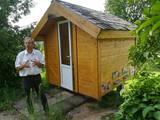 |
"Piebalgas medus" atrodas Vecpiebalgas novadā, nogriežoties no autoceļa Cēsis–Vecpiebalga–Madona (P30). Biškopība, apiterapija un stāstījums "Par un ap bitēm". Biškopības produkcijas degustācija un iegāde. Apmeklētājiem ir pieejama sveču darbnīca. Īpaši ar to, ka dravo tikai ar Latvijas stāvstropiem. |
|
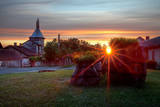 |
Tiek uzskatīta par vecāko alus darītavu Ziemeļeiropā. Tā tika uzcelta 1878. gadā, un tās pirmais īpašnieks bija grāfs Emanuels fon Zīverss (Sievers), Cēsu pils muižas saimnieks. Savukārt 1922. gadā alus darītavu pārpirka Cēsu uzņēmēji un sāka tur ražot arī vīnu, sulas un minerālūdeni. Uzņēmums "Cēsu alus" šeit alu un atspirdzinošus dzērienus ražoja no 1976. līdz 2001. gadam, bet šobrīd tas ir pārcēlies uz jaunām telpām. Šobrīd ēkā tiek organizētas dažādas izstādes, kā arī ēku var apskatīt no ārpuses. |
|


