
| No | Name | Description |
|---|---|---|
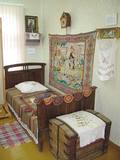 |
The History Museum of Malta. Exposition „History of Malta parish: from
Rozentova and Borovaja to Malta”. We offer household items, tools of trade,
works of art, collection of paper money and coins. Excursion outside the museum
„At the cross-roads of Malta”.
Working hours: Mon– Fri : 9.00 – 17.00, Sat., Sunday : closed |
|
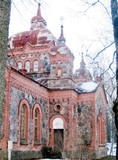 |
Nītaures vēstures takā var apskatīt un iepazīt dažādus vēsturiskus objektus no 13.gadsimta līdz mūsdienām - seno pilskalnu, vācu ordeņa pilsdrupas, luterāņu un pareizticīgo baznīcas, soda vietu un muižas seno apbūvi. |
|
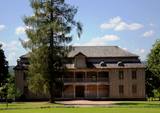 |
This estate is surrounded by an ancient and geometric landscape. During the latter half of the 19th century, it had a landscape style with various elements of geometry. The park covers 4.2 ha and has ancient linden, maple, elm, oak and other decorative bushes, with more than 20 types of plants that have turned into wood. |
|
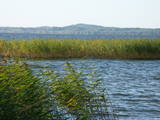 |
A beautiful part of the Rēzekne-Dagda-Krāslava road – along two km or so, you can see Lake Rāzna and Mākoņkalns hill, which is 10 km away on the other shore of the lake. |
|
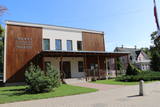 |
Located in a cultural centre at Brīvības Street 15 in Ogre, the museum was established in 1980 and has a permanent exhibition, “Ogre – a Swimming and Air Spa, Relaxation and Everyday Life, 1920-1940,” which offers a good look at the “golden age” of Ogre, when it was a popular spa. Another exhibition, “Legendary Ogre” offers a different view. Visit the museum to find out what it is!
|
|
 3 days
|
Это один из 6 маршрутов путешествий в серии «Насладитесь деревней!», который приглашает Примерное время прохождения маршрута: четыре – пять дней, в зависимости от количества выбранных достопримечательностей и времени, отведенного для их осмотра. |
|
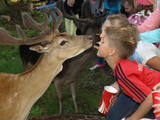 |
Some 200 fallow deer live in large paddocks at the park, and the largest deer sorting facility in the Baltic States is right next door. You can look at the animals from up close. The owner organises educational camps for children and offers consultations on the breeding of animals. |
|
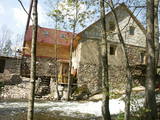 |
The Narūta River which flows out of Lake Ežezers is approximately 1 km long and ends at the small Obiteļi windmill lake. On the right bank of the river is a windmill that was built around 1900. Today the site has the Obiteļa leisure centre with a sauna and banquet facilities. |
|
 |
This is a small area with lots of different terrains – high hillocks, distinct river valleys, thermal streams, continental dunes, etc.
|
|
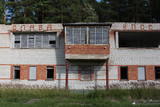 |
The firing range at Skujnieki was once used for summer sports, as well as training in the use of firearms. The Defence Ministry still uses the facility from time to time. The central building of the facility was built in 1982, and its façade is decorated with text in the Russian language: “Слава КПСС” (“All Honour to the Soviet Communist Party).
|
|
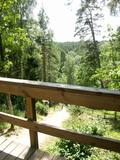 |
The tower is on the banks of the little Tērvete River, with a view of the river valley and surrounding forests. Good views of the Tērvete River valley are also available from the nearby Zviedru Hill and the Tērvete castle hill. Note: The viewing tower at the Tērvete Ancient History Museum is not open to visitors!
|
|
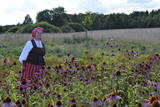 |
The lady of the house greets visitors in a folk costume, offering an educational programme in the local Žemaiši language. She talks about herbal teas and how to find the herbs and brew them. Along with the tea, the lady offers homemade cheese, bread, pierogi and honey. The guesthouse is on the banks of Lake Beržoris, not far from Lake Platelys. The Žemaitija National Park is nearby and easily reached on foot, by bike, by boat or by car. |
|
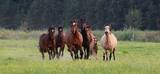 |
The “Dabas zirgi” centre for horse and human welfare is in the historical Mežinieku neighbourhood in suburban Rīga, and it will be a revelation to those who wish to have a sense of belonging related to Latvia and its environment. Touch the forest, enjoy the cool water of the Misa River, encounter a swamp or see the breath of a horse on a foggy morning. You’re welcome to spend a longer amount of time at this venue with new glamping opportunities in a lovely forested area next to the steep shores of the Misa River. This offers complete silence with only the woods and the river nearby. Along with the horses, of course. “Dabas zirgi” offers strolls with a horse, tours involving feeding the animals, as well as horseback rides. Family celebrations are perfect here with a lean-to, a grill, and a pot on a campfire. Contact the venue in advance to arrange for prepared breakfast, lunch and dinner. There is also a sauna with a jacuzzi. |
|
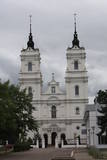 |
Atrodas t.s. Baznīcu kalnā - A. Pumpura ielā 11 a. Varenais neobaroka stilā celtais dievnamu tapis 1905. g. Pastāv viedoklis, ka par šīs baznīcas prototipu izmantotas Aglonas vai Krāslavas bazilikas, kā arī Rietumeiropas baznīcu paraugi. Tās interjeru rotā divstāvīgs altāris, kurā novietota spāņu gleznotāja B. E. Muriljo pazīstamās gleznas “Svētā Dievmāte” kopija. 1909. g. baznīcā uzstādīja poļu meistara Ādolfa Hofmana būvētās ērģeles.No būvniecības laika saglabājusies arī pārējā baznīcas iekārta. |
|
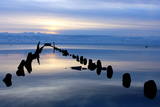 |
Kaltene features several homes where shipbuilders used to live – Caurnāši, which was home to the Bertliņi family, Ilmati, where six ailing ships were built, Maizītes, where the Stahl family of ship builders built 16 two-mast and three-mast ships, and Dambekalni, which was once one of the first canned fish factories on the coastline. To the side of the sea are the old boat piers of Kaltene. In 1936, a board pier was built by the Freijs family from Roja. It was 200 m long and had room for some 50 boats. All that is left are wooden poles that have been eaten away by the sea and time. If you want to learn about the specifics, difficulties and challenges of fishermen today, visit Ervīns Vilciņš in Ķirķrags. He will tell interesting stories on the basis of his experience. You can watch as he fishes in the morning and then taste the fish that he has caught. (Source: Roja TIC) |
|
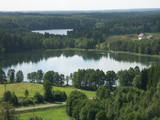 |
This territory is rich with forestland and lakes (some 285 in all). There are extensive opportunities for active recreation or calm leisure.
|
|
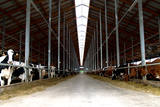 |
AS Agrofirma Tērvete is the largest multi-sector farming company in Latvia, operating in crop farming, dairy farming, horse breeding, public dining, biogas manufacturing and brewing of beer. Visitors can tour a brewery and the farm. The brewery produces popular Tērvete beer and kvass. Visitors can taste the products and take a small tour of the facilities. All of the types of beer can be tasted with delicious snacks. The Tērces farm is a dairy farm with modern technologies and 3,000 dairy cows. Visitors can tour the facility and have lunch at the company’s dining hall. |
|
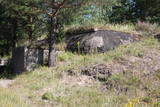 |
Another coastal defence battery was sited about 1,500 metres to the East of Lūžņa, where the Lūža River flows into the Baltic Sea. Remnants of Soviet-era buildings can still be seen there.
|
|
 |
The restaurant, located in the heart of the Old Town of Kuldīga, boasts an outdoor terrace and beautiful city views, offering Mediterranean cuisine with appropriate wines and local drinks. |
|
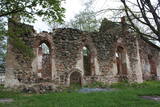 |
Lullemē atrodas blakus parka robežai, bet arī šo vietu ir vērts pieminēt kā vienu no apskates objektiem. Lullemē uzmanību piesaista viena otrai blakus stāvošās baznīcas. Mūsdienās redzamās 15. gs. celtās Sv. Marijas baznīcas drupas ir liecinieks 2. pasaules kara notikumiem, kad 1944. g. baznīcu sagrāva. Jaunā baznīca ir celta 1997. gadā. Ciema rietumdaļā uzstādīts piemineklis, kas veltīts brīvības cīņās (1919. – 1920.) kritušajiem. |
|


