
| No | Name | Description |
|---|---|---|
 |
The owner has a collection of some 2,000 spoons which he has carved from 70 types of wood from trees and bushes during more than 30 years. The smallest spoon is made of osier, while the largest one, “A European Spoon,” is larger than the height of a human being. The artist also produces paintings made of wood. You can watch him at work, purchase the spoons, and tour his museum. |
|
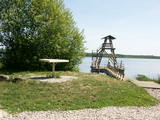 |
Viewing tower on pontoons, and there is a footpath to get to it. The tower offers a view of nearly all of Lake Sloka, all the way to Kauguri. Particularly visible is the northern part of the lake. There is also a sulphur spring. The site is good for bird-watching throughout the year, including the winter, because parts of the lake do not freeze over. |
|
 |
1339. g. Livonijas ordeņa mestrs (no 1328. – 1340.) Eberhards fon Monheims pašu zemgaļu 1286. g. nodedzinātās pils vietā uzceļ jaunu - mūra pili. To sešus gadus vēlāk nodedzināja lietuviešu karaspēks. Pili gan atjaunoja Kurzemes hercoga Ketlera valdīšanas laikā, taču Ziemeļu kara laikā - 1701. g. to atkal noposta zviedru karapulki. Līdz mūsdienām ir saglabājusies tikai no laukakmeņiem celtās pils sienas atliekas. |
|
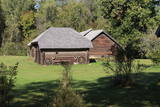 |
A unique farmyard that includes a full set of buildings typical of this area. The farmstead buildings reflect at least 300-400 years of Latvian nation-building development. In the area it is possible to stay in a dwelling house (2 rooms, two people each) and in the tents. Picnic places available. It is also possible to organize different events and activities. |
|
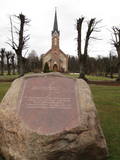 |
The first church in Piņķi was made of wood. The idea of building a new church emerged in the 1850s, and the cornerstone for a design by the architect J.D. Felsco was laid on May 25, 1872. The church that is there today was completed in 1874. The nine-register organ was built by the distinguished organ builder Wilhelm Sauer in 1890. On July 17, 1916, the 5th Latvian Riflemen’s Battalion was on its way to the front lines at Smārde and stopped at the Piņķi Estate. Col Jukums Vācietis delivered a sermon at the church on that date (though not all historians agree that he did so), and that has gone down in history as one of the most important events of the day. The historical even inspired Aleksandrs Čaks to write the poem “Sermon at the Piņķi Church.” The church is a cultural monument and can be toured. It is lit up at night. Alongside the stone is a rock that was installed in commemoration of the Latvian riflemen. |
|
 |
A legendary location which is said to have
been the site of a lake which, in 1838, was poured into the sea. When the
water was gone, remnants of ancient tree stumps and ships were found at
the bottom of the lake.
|
|
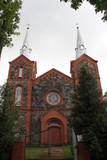 |
Dievnams celts no šķeltajiem laukakmeņiem un sarkanajiem ķieģeļiem laikā no 1894. - 1909. g. Tajā saglabājušās vecās koka baznīcas iekārtas un 18. gs. sākumā veidots cilnis “Svētais vakarēdiens”. |
|
 |
You can access ÕUNA farm (ÕUNA puhketalu) by Piibe Road, behind the old horse post and pub. Here you can spend the night, have some food and enjoy various entertainment activities. Menu includes only Estonian national foods. |
|
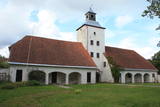 |
The complex dates back to the 17th and 18th century, when a fortress was replaced by a mansion and other buildings. The rectangular yard that is in the centre of the state is surrounded by the mansion, two granaries with columns that were built opposite one another, a stable and a wheelhouse. The stable and wheelhouse, the bell tower and the gate create the most impressive part of the buildings. Bells were rung because of religious rituals, but also to inform people at the estate about everyday issues. The silhouette of the building is reminiscent of cloisters, city halls and churches that were common in Europe in the 18th century. In 1780, the estate was taken over by the family of Karl Otto von Löwenstern, and the mansion can only be viewed from the outside. There is a hiking trail near the estate. |
|
|
|
During the latter half of the 19th century, one of the largest ship building facilities was located here between the Dzeņi and Lielkalni homesteads. It was known as the Ķirbiži and then the Vitrupe shipyard, though nothing remains of it. 28 ships were built here between the 1860s and 1929. |
|
 |
The company has a history of more than 40 years, and today it is a competitive dairy processing company at the Baltic level, producing milk, kefir, cottage cheese, yogurt, butter, cheese and other dairy products. A store alongside the factory sells the products, and Valmieras Dairy is one of five companies in Latvia that can manufacture an EU guaranteed traditional product, "Summer Solstice Cheese". |
|
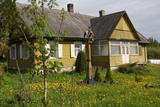 |
Kretoņu (Kretuonas) ezera dienvidu krastā (ezeru gan neredz aizauguma dēļ) meklējams Kretoņu ciems. Šķiet, ka šī vieta ir „aizķērusies" pagātnē. Cauri ciemam iet viena iela, kurai abās pusēs izvietojušās 19. – 20. gs. mijā (dažas pat mazliet agrāk – 19. gs. vidū) celtās saimniecības. Te redzamas gan dzīvojamās, gan saimniecības ēkas, kuras rada etnogrāfiska brīvdabas muzeja sajūtu. Dažas no tām gan ir „padevušās" laika zobam. Lai vai kā, šis ir viens no neparastākajiem nacionālā parka etnogrāfiskajiem ciemiem, kuru pa „galveno ielu" vērts izstaigāt visā garumā. Šim, tāpat kā pārējiem etnogrāfiskajiem ciemiem ir piešķirts kultūras mantojuma objekta statuss. |
|
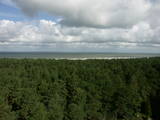 |
This lighthouse is in Ovīši, which is an ancient Livonian village. The 38-metre lighthouse on Cape Ovīši was built in 1814 and modernised in 1860, and it is the oldest functioning lighthouse in Latvia today. Visitors will get a great view of the shores of the Baltic Sea and the forests which cover them. The lighthouse also offers an exhibition devoted to the history of lighthouses in Latvia.
|
|
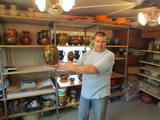 |
This potter upholds pottery traditions from the village of Silajāņi. He produces glazed and unglazed products such as dishware, candelabras, etc. You will hear attractive stories about pottery, be allowed to knead some clay and work on the potter’s wheel, and be able to tour an exhibition hall with samples of the master’s work, as produced over the course of the years. You can also commission and purchase products. |
|
|
|
1996. g. atklātais piemineklis (tēlniece: A. Veinbaha) Dagdā (starp Asūnes un Rēzeknes ielām) ir piemiņas vieta komunisma terora upuriem. No šejienes paveras labs skats uz salām bagāto Dagdas ezeru. |
|
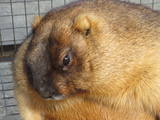 |
A friendly place for families, children and all interested parties. You can go on a tour or individually look at and learn about marmosets. |
|
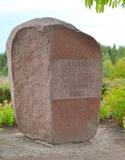 |
The stone is in the small village of Vasiļova, which is along the Daugavpils-Rēzekne (A13) road. The Vasiļova Semi-Estate used to be leased by the father of the great Latvian playwright Rainis, Krišjānis Pliekšāns. |
|
|
|
Oldest (building started in 1227) stone church in Estonia. Unique christening stone in the Baltic States. Old painting on the walls. |
|
 1 day
|
Dodieties ekskursijā, lai gūtu ieskatu lauku profesijā un dzīvesveidā, kā arī iegūtu jaunus iespaidus un labu atpūtu visai klasei. Ekskursijas laikā apmeklējiet kokapstrādes darbnīcu, kurā ražo visu saimniecībā nepieciešamo – solus, galdus, pakaramos, virtuves piederumus, pirts baļļas, mucas, lieliskus suvenīrus no koka u.c. Pēc tam apmeklējiet zemnieku saimniecību, kura ir viena no lielākajām un modernākajām zemnieku saimniecībām Zemgalē. Izbaudiet pusdienu pikniku Tērvetes dabas parkā. Ekskursijas noslēgumā dodieties uz maizes ceptuvi, lai izzinātu maizes cepšanas arodu, degustētu un iegādātos maiznīcas izstrādājumus. |
|
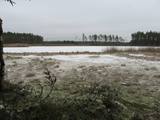 |
This is one of the most impressive and extensive natural structures of its kind in Latvia in terms of appearance and landscape. The ice age left behind this wall-like terrain, which is up to 27 metres high and at the top of which the Rīga-Ērgļi road has been built. The Great Kangari hills offer a view of the Great Kangars lake and the Great Kangari swamps and ponds. The Ķoderi castle hill, also known as the “Big Man’s Bed” is found here. The restricted area was established to protect the structure and its related biotopes and plants.
|
|


