
| Nr | Nosaukums | Apraksts |
|---|---|---|
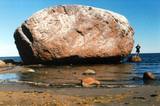 |
Lielākais Baltijas (pēc dažiem avotiem – arī Ziemeļeiropas daļas, ko skāris pēdējais apledojums) dižakmens. Tā tilpums ir 930 m3! Akmens augstums ir 7,5 m, garums – 16,5 m, platums – 14 m, bet apkārtmērs – 48,5 m. Ehalkivi, kas iztālēm atgādina milzu oli, „stāv” uz smilšaini - akmeņaina sēkļa, kas atkarībā no laika apstākļiem vai gadalaika var atrasties ūdenī. Ledājs to „atnesis” no Somijas D piekrastes. Pēc sastāva - pegmatīts.
|
|
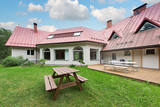 |
Konferenču un atpūtas centrs “Zvīguļi” atrodas Gaujas nacionālā parka teritorijā – ar gleznainu un neskartu dabu no vienas puses un Siguldas šoseju (A2) no otras puses. No iekšpagalma paveras meža ieloks, no kura, ejot pa reljefainu, dabas veidotu un sakoptu taciņu, klausoties Skolas upītes čalās, nonāksi 15 minūtēs Gaujas upes krastā. No ārpagalma ar savu vai sabiedrisko transportu ātri un ērti nonāksi sev vēlamajā vietā. Līdz Siguldai vien 8 minūtes jeb 10 km. Piedāvā naktsmītnes dažāda komforta istabiņās vai koptelpā. Ir plaša un moderni aprīkota virtuve. Viesu namā ir arī četrvietīga somu pirts. Nepieciešamības gadījumā ēdināšanu nodrošinās mūsu sadarbības partneri. Aktīvās atpūtas iespējas netālu – rodeļu trase, velosipēdu īre, makšķerēšana, laivošana, kvadraciklu un motociklu trase, zirgu izjādes. |
|
 |
Restorāns "il Capitano" atrodas Rīgas jūras līča krastā, starp VIA Baltica autoceļu (A1) un jūru, atpūtas kompleksa „Kapteiņu osta” teritorijā, ko ieskauj Randu pļavas. Vasaras terase ar skaistiem saulrietiem. Latviešu virtuve: Aukstā biešu zupa, kartupeļi ar biezpienu un siļķi, kūpināts zutis, krāsnī cepts sams, cepts zandarts kaņepju sviestā, biezpiena plācenīši, zemeņu zupa. Īpašais ēdiens: Zivju zupa. |
|
 |
Auces novads miniatūrā izveidots ar Auces novada nozīmīgākajiem un atpazīstamākajiem objektiem miniatūrā, kuri apdzīvoti ar mājdzīvniekiem. Iespēja Auces novada iedzīvotājiem un viesiem izveidot saikni ar dabu un vienlaicīgi iepazīt Auces novadu. Mazajiem apmeklētājiem izglītojoša saikne ar dzīvniekiem, iespēja tos pabarot ar saimnieku sarūpētajām veltēm. Veicināta Auces novada atpazīstamība caur miniatūriem objektiem. Tiek piedāvāta ekskursija, kuras laikā iespējams apskatīt 4 saimniecības: Zemnieku saimniecību ‘’Skabargas”, Lauku sētu ‘’Krastiņos’’, saimniecību ‘’Andulaiši’ un Lauku sētu ‘’Baltiņi’’. Ekskursija notiek gida pavadībā. Tiek gaidīti viesi, grupās no 10 cilvēkiem, ar iepriekšēju pieteikšanos. |
|
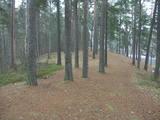 |
Dabas parks veidots g.k. Rīgas „zaļās zonas” aizsardzībai. Tā lielāko daļu aizņem ar priežu silu un mētrāju apaugušas kāpas, bet tā dienviddaļā atrodas Beberbeķu ezers. Ezera apkārtnē ir labiekārtota. |
|
 |
Atpūtas kompleksā "Vonadziņi" atrodas Ludzas ezera dienvidu krastā netālu no Gulbenes pilsētas. Pēc iepriekšēja pasūtījuma ēdina tūristu grupas, rīko kāzu mielastus, banketus u.c. |
|
 |
Tas atrodas pie „Burtnieku” mājām Īlē, kur viņš dzīvojis no 1837. – 1845. gadam. Tēvs Juris Barons apglabāts Īles kapsētā. Savu vārdu nemirstīgu Krišjānis Barons darījis, vācot, sistematizējot un sastādot Latvju Dainu krājumu. Tautasdziesmas jeb dainas ir mazi, ritmiski dzejolīši, parasti četrrindes. Pie Latvju dainu vākšanas Barons pavadījis sava mūža lielāko daļu – apmēram 25 gadus gandrīz dienu pie dienas. |
|
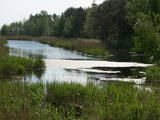 |
Taka izveidota 2005. gadā. Tā atrodas uz Lapmežciema un Bigauņciema robežas un izskatās kā koka dēlīšu laipa gar Siliņupi. Taka aizved līdz jūrai, kur apskatāms vecais Lapmežciema mols. Siliņupē novērojami ūdensputni. |
|
 |
Pirts zeme ir kā atsevišķs ciemats, kur uz savas ādas varēsiet izbaudīt dažādas pirtis un to savdabību. Brīnišķīga iespēja novērtēt katras pirts garu un krāt zināšanas par to vēsturi. |
|
 2 dienas
|
Maršruts piemērots laivotājiem, kam nepatīk vienveidība. Latgales ezeri joprojām ir ūdenstūristu mazapgūta teritorija, taču ļoti pievilcīga gan ainavu, gan kultūrvides ziņā. Maršruta informācija no Latvijas Lauku foruma |
|
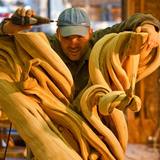 |
Dabiska koka formu apstrādes meistars savās mēbelēs un interjera elementu dizaina izstrādē izmanto koku no saknes līdz galotnei. Katrā darbā tiek akcentēta koka forma, tekstūra un faktūra. Meistardarbnīcā piedāvā neparastu redzējumu par koku un cilvēku. Organizē izglītojošus pasākumus, izgatavo dāvanas un suvenīrus. |
|
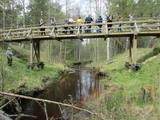 |
Kājāmgājēju un velosipēdistu tiltiņš pār Ķikanupi (Slīteres nacionālā parka robežu) ciemu joslā starp Sīkragu un Jaunciemu. |
|
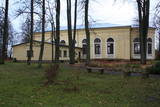 |
Dievnams celts (1851. g.) un vēlāk (1876. g.) paplašināts. Tas tika sagrauts 2. Pasaules kara laikā un pēcāk atjaunots. Līdz Latvijas neatkarības atgūšanai to izmantoja par skolas sporta zāli. Pēc draudzes darbības atsākšanas (1989. g.) sākās arī baznīcas un ar to saistīto tradīciju atdzimšana. Apskatāma no iekšpuses. |
|
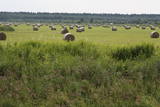 |
Ainaviski atklāta teritorija plašu lauksaimniecībā izmantojamo zemju masīva vidū abpus Užavas upei kādus desmit kilometrus pirms tās ietekas Baltijas jūrā. Teritorija uz visām pusēm lieliski ir saskatāma no Vendzavas – Ziru ceļa, kas to šķērso dabas parka ziemeļdaļā. No šī ceļa var nodoties arī putnu vērošanai (galvenais iemesls dabas parka izveidei – migrējošo putnu un griežu aizsardzība), kas Užavas pļavās koncentrējas pavasara un rudens migrāciju laikā. Citādā ziņā teritorija nav labiekārtota.
|
|
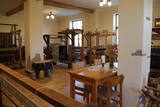 |
Atrodas Alsungas novada muzeja ēkā, kur apmeklētāji var apskatīt, kā top suitu tautas tērpi un to elementi, plašāk izzināt suitu novada aušanas tradīcijas un iepazīt krāšņo suitu pūru. Interesenti pieredzējušu meistaru vadībā var darboties arī paši. Blakus „Austuvei” atrodas „Suitu ķēķis”, kurā var iepazīt suitu kulināro mantojumu, darbojoties kopā ar saimniecēm. |
|
 |
Piedāvā makšķerēšanu Usmas ezerā. Saimniece no noķertā loma vāra garšīgas zušu zupas un kūpina zivis. Laivu noma, piedalīšanās zvejā, tīklu vilkšana (arī ziemā), izbraucieni ar kuteri pa ezeru. No kūpinātajiem brekšiem taisītu konservu degustācija. Zirgu izjādes. |
|
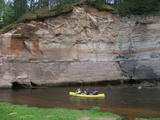 |
Ahjas upes krastos no Koorvere līdz Otteni dzirnavām slejas gandrīz četri desmiti Devona perioda smilšakmens atsegumu, no kuriem divi – Väike un Suur Taevaskoja (pēdējā - 22 m augsta) ir populāri apskates objekti.
|
|
 |
Piedāvā ļoti gardus Lietuviešu tradicionālos ēdienus. Var pieņemt līdz 1000 personām.Pieņem bankas kartes, ir āra terase, dzīvā mūzika kā arī autostāvvieta. |
|
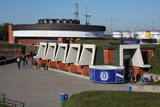 |
Atrodas Kopgaļa cietoksnī. Tā akvārijā apskatāmas Baltijas jūras u.c. pasaules jūru un okeānu zivis un dzīvnieki, tiem veltīta ekspozīcija, pingvīni un roņi. Cietokšņa pulvera pagrabos ir izvietota Lietuvas kuģniecības ekspozīcija, bet uz bastioniem – seno ieroču kolekcija. Baltijas valstīs vienīgais delfinārijs. |
|
 |
Saimniecībā audzē gaļas liellopus un dārzeņus. Interesentiem sniedz konsultācijas, pārdod sēklas un dārzeņus. |
|


