
| No | Name | Description |
|---|---|---|
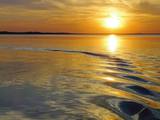 |
Lake Rāzna (57,8 m2) is often called the sea of Latgale. It is the biggest lake in Latvia. Rāzna is situated
on the hill Rāznava. You should see beautiful landscapes, high peaks and Latgalian castle hills. Enjoy the
recreation places beside the lake, the National park of Rāzna and its surroundings. The place is included in
the European Union network of protected areas NATURA 2000. The lake has 10 islands and two gulfs. The
level of the water reaches 163.8m.
|
|
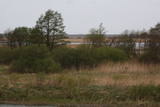 |
At the centre of this restricted area is the eutrophic Lake Tosmare, a former lagoon from the Littorina Sea. The lake and its surroundings offer protection to many plants and birds. At the southern end of the lake one can spot remnants of the former Liepāja fortification system, and to the West is one of the most important parts of that system – the Fortress canal. |
|
 3 days
|
The name of the Žemaitija region means "lowland." You will visit traditional and unusual farms to learn about gardening traditions and enjoy teas and herbs from a biodynamic farm. The lady of the house will teach you about traditional local foods. Next you will visit a place to discover the secrets of medicinal plants. An impressive exhibition about military history will be found at the Cold War Museum, which is on the territory of a former missile base. Then you will visit the Energy Labyrinth to enjoy peace and quiet while learning about how various geometric forms influence human emotions. Next you will visit a traditional farm with characteristic foods, beverages and songs. Along the way you will visit Telšiai, which is the informal capital of Žemaitija. Finally, you will visit a farm where traditional pastries are baked on a campfire, and a true Latvian sauna is offered. |
|
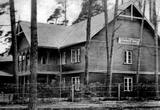 |
The “Strand” Complex – it was the largest and most luxurious recreational complex in Neibāde. It consisted of three buildings, a dance pavilion and a park. Only one building of the hotel, the same as what was once Saulkrasti outpatient clinic at 17 Ainažu Street, has survived until nowadays. |
|
 |
Pirtnieka pakalpojumi, dažādi pirts rituāli. Viesiem ir iespēja iegādāties produktus no ārstniecības augiem - tējas, sīrupus, ziedes, salātus; tāpat arī piedalīties radošajās meistarklasēs tinktūru, masāžas eļļu gatavošanā. Informatīvā lekcija par augiem un pirti, pirts rituāliem. Klusā meža ielokā pieejamas telts vietas, piedāvājumā arī kubla noma un pārvietojamās pirts mucas noma. |
|
 3 days
|
This is the most challenging Forest Trail section, especially on the second day. Here, on the coast of the Gulf of Finland, rises the North-Estonian Klint – a steep, rocky and forest-covered cliff that stretches non-continuously to Tallinn and further to the islands of West-Estonia. The Forest Trail runs on top of the cliff and occasionally descends into valleys. It crosses the deep and vast Pühajõgi valley in Toila-Oru park and comes to Toila, a popular coastal resort. One of the most unusual sections of the Forest Trail in Northern Estonia, which leads along the foot of the impressive North-Estonian Klint in good weather, then climbs to the top of the klint in the villages of Valaste and Saka, revealing breathtaking views of the Gulf of Finland. |
|
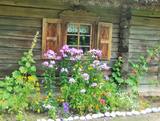 |
This museum was established in 1974, and it is one of the largest (194 ha) outdoor ethnographic museums in Europe, with 91,420 exhibits in all. The exhibition is made up of farms, villages and a small town to demonstrate the ancient architecture, culture and lives of Lithuanians, along with vegetables, fruits and flowers. |
|
 |
Ap 200 m garajā un izstieptās formas laukumā no 16. – 20. gs. atradās Liepājas tirgus. Laukuma malās tolaik bija izveidojusies vienstāvu apbūve – iebraucamās sētas, viesnīcas un dārzi. Līdz ar Pētertirgus izveidi 1910. gadā, izmainījās arī laukuma apveidi un to ieskaujošā apbūve. Laukuma DA malā slejas iespaidīgā Liepājas Svētās Annas Luterāņu baznīca. |
|
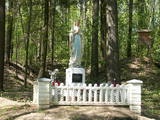 |
The castle hill of Milka is situated near Lake Sālaja and River Malta; 27m above the lake level. Local
businessman cleaned the hill and placed the statue of Mother of God there. It is a a symbol of Latgalian
strong faith into God and Virgin Mary.
|
|
 |
This farm keeps Thuringian breed goats and makes goat's milk cheese, as well as a various snacks. In addition, herbs and medicinal plants used for teas and natural cosmetics are also grown here. |
|
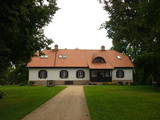 |
The Berķenele semi-estate is a historical monument of national importance, known as the place where the distinguished Latvian author and politician Rainis (1865-1929) spent his childhood. The house was restored in 1995, and since 1996 it has been the Rainis house in Berķenele. Rainis recorded his childhood impressions in a poetry collection called "Five Sketch Notebooks from Dagda." Today the managers of the house offer tours, creative workshops and exhibitions. Visitors can don the clothing worn by the lord and his servants. Around the house is a large orchard, featuring a programme called "Route of Apples." The house also has a lovely landscape that is interesting to see. |
|
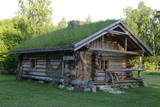 |
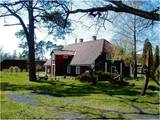
The ancient sauna house is a great place for rest and relaxation in Hiiumaa. The house is built of thick logs and has a sod roof. The house has a sauna. |
|
 |
The museum at Valdemāra Street 47 was opened in 1969 in the building of the maritime school that was opened in 1864 at the suggestion of Krišjānis Valdemārs. The school trained more than 1,000 sea captains and helmsmen. The exhibition at the museum relates to the operations of the school, as well as the building of sailing ships on the Vidzeme shoreline during the latter half of the 19th century and the early part of the 20th century. There is a collection of anchors, as well as the top of the Ainaži lighthouse, which was once washed away by the sea, but has been restored. |
|
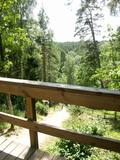 |
The tower is on the banks of the little Tērvete River, with a view of the river valley and surrounding forests. Good views of the Tērvete River valley are also available from the nearby Zviedru Hill and the Tērvete castle hill. Note: The viewing tower at the Tērvete Ancient History Museum is not open to visitors!
|
|
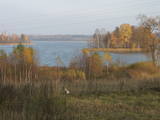 |
Ārkārtīgi ainaviska teritorija Augšzemes augstienes centrālajā daļā ar vairākiem ezeriem - Medumu, Lielo un Mazo Ilgas, Šķirsteņu un dažām mazākām ūdenstilpēm. Medumu ezera salām ir dabas lieguma statuss. Teritoriju šķērso vairāki grantēti ceļi, no kuriem dažviet paveras brīnišķīgas, bet nelabiekārtotas skatu vietas. Teritorijā atrodas Medumu katoļu baznīca. Piemērota teritorija dažādu aktīvā tūrisma veidu attīstībai. Dabas parks ietilpst Augšzemes aizsargājamo ainavu apvidū. |
|
 1 day
|
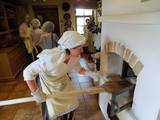
Since ancient times bread has been our staple food, and formed part of breakfast, lunch and our evening meal. We bake bread from rye, wheat, buckwheat and barley. Both fine-ground and wholemeal flour is used. Bread baking is one of the most honoured traditional skills in Latvia. Caunītes country house keeps Latvian traditions alive and demonstrates them to visitors. The house is designed and decorated in the traditional Latvian style and exudes an authentic ambience while having modern facilities. Under the guidance of the hostess, visitors will bake their own loaf of sweet-and-sour bread in a wood-fired bread oven. In Latvian families it was traditionally one of the main duties of the lady of the house to bake a week’s supply of bread for the whole family every Saturday morning. Every woman was proud of her own unique recipe and passed it down to her daughters and granddaughters through the generations. There are many traditional beliefs, sayings and riddles linked with bread in Latvian folklore. Today, there is great interest in the old recipes, bread-baking methods and the use of organic ingredients as many families are opting for a healthy lifestyle. |
|
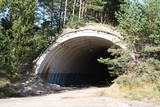 |
This was at one time an important element in the protection of Soviet Latvia’s shoreline. A visually interesting and impressive territory near the seashore, it has sadly not been properly managed and is thus full of trash.
|
|
 |
Pils iela pazīstama ar jūgendstila apbūvi, kas veidojusies 19. un 20. gs. mijā veco vienstāvu ēku vietā. Pirmā ēka Pils ielā 30 (jaušama jūgendstila ietekme) tika uzcelta 1901. g. Pils un Kuģinieku ielas krustojumā (Pils iela 40) paceļas 1905. g. celtais Vulfsona trīsstāvu īres nams, ko var pazīt pēc neobarokālā stila torņa. Netālu esošo ēku Pils ielā 31 un 38 (Mūzikas skola) fasādes jau ir uzskatāmas par raksturīgiem jūgendstila paraugiem. Savukārt, ēku Kuģinieku ielā 2 uzskata par vienu no skaistākajiem Latvijas jūgendstila namiem ārpus Latvijas galvaspilsētas. Uzmanība jāpievērš arī ēkām Pils ielā 54 un 60. |
|
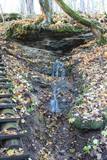 |
Litorīnas jūras laikā (pirms ~ 6000 gadiem) Saleveres Salumegi kalns bija sala, bet mūsdienās tas kā izteikta kāple (īpaši - ziemeļu pusē) paceļas virs Piejūras līdzenuma. Salumegi ziemeļu pusē slejas 4 - 5 metrus augsts kaļķakmens atsegums – silūra perioda (> 400 mlj. gadu) koraļļu rifa paliekas, kuru noskalojuši Litorīnas jūras viļņi. Atseguma piekājē izplūst Acu avots, kam piedēvē dziednieciskas īpašības. Salumegi apskates nolūkos izveidota lokveida taka (1,5 km). No kalna augšas paveras labs skats uz Matsalu līci. Šeit atradies arī sens pilskalns. |
|
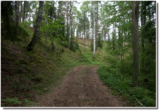 |
The Green Dune is beyond the Krāči hills (Krāckalni)
and is the second most distinct dune formation in the
national park. It runs for more than three kilometres,
separating the Raganu and Zaļais swamps. An old
earthen road is at the foot of the dune, and that’s the
basis for the route.
|
|


