
| No | Name | Description |
|---|---|---|
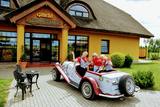 |
Older residents say that the guesthouse is located in the centre of the Domanti village. The guesthouse has four buildings built in accordance with ethnic architectural traditions, including a granary, a sauna and a traditional residence with two ends. |
|
 |
How did people live 1,000 years ago? What clothes did they wear? What tools and appliances were used? Answers to these and many other questions will be found at Kiruvere Viking Festival, held annually in July with re-enactors from Estonia, Latvia, Lithuania and Finland. |
|
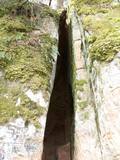 |
The Vējupīte ravine is meant for those who are not afraid of long and steep wooden stairs of the type that lead you up and down the ravine. From the Līvkalns guesthouse, you can climb the stairs downward, where you will find a shallow (3.6 m) but high (6.1 m) cave – the Pēters Cave. It is something of a gap or a niche. Another 10 minutes or so downstream (toward the Gauja) will lead you to the deep Pūces ravine and its Kraukļupīte River. The Satezele castle hill is at the confluence of the two rivers (90 x 75 m). A wooden castle was there during the feudal era in the early 13th century. Its main entrance was on the western side of the castle hill. You can get to the hill from the depths of the ravine via a wooden staircase. The Kraukļi ravine, in turn, is accessible if you climb down the same stairs and continue on your way toward the Gauja. The ravine is found on the left bank of the Vējupīte, and its sandstone walls are up to 11 m high. The Kraukļi cave, which is 5.2 m deep, is on the wall. Another 10-15 minutes (crossing the Vējupīte on a wooden bridge), and you will find another staircase leading you to Paradīze Hill (see the description above). |
|
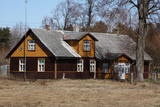 |
This set of buildings represents a homestead for a fisherman and a farmer. The house was built in 1926, and the ancillary buildings all date back to the first half of the 20th century. The homestead can be seen from the road. |
|
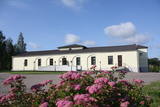 |
Gulbenes novada vēstures un mākslas muzejs dibināts 1982.gadā un apsaimnieko trīs ēkas – Vecgulbenes muižas oranžēriju, klēti un Sarkano pili. Oranžērijas ēkā izvietotas izstāžu zāles un apskatāmas divas pastāvīgās ekspozīcijas „Gulbenes vēsture” un „Jūlijs Madernieks”. Regulāri tiek atklātas dažāda satura tematiskās izstādes. Vecgulbenes muižas klētī apskatāma ekspozīcija „Tautsaimniecība”, kur apmeklētāji var iesaistīties vairākās aktivitātēs (malt ar rokas dzirnavām, pārbaudīt smaržas un taustes iemaņas, noteikt kokus, graudus, vīt virves u.c.). |
|
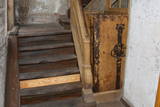 |
Находится на ул. Базницас, д. 17. Здание построено в XVII веке, как жилой дом кулдигского бургомистра. В 1701 году здесь гостил король Швеции Карл XII, который в передней оставил огромный сундук (2 х 2,5 м), на который после реставрации можно взглянуть и сегодня. |
|
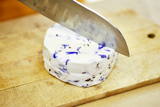 |
This farm keeps Thuringian breed goats and makes goat's milk cheese, as well as a various snacks. In addition, herbs and medicinal plants used for teas and natural cosmetics are also grown here. |
|
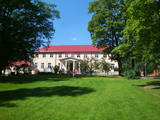 |
Sēļu muiža, par kuru pirmās ziņas saistāmas ar 1561. gadu, ar seno ēku kompleksu un ainavu parku mūsdienās vēl joprojām darbojas kā pagasta administratīvais un kultūras centrs, kur tiek organizēti arī atpūtas un saviesīgi pasākumi. Neskatoties uz to, ka muiža vairākkārt ir tikusi pārbūvēta, tās senatnīgums ir vēl saglabājies. Sēļu pagasta Tautas nams piedāvā bezmaksas ekskursijas Sēļu muižas kompleksā un divas meistardarbnīcas: ādas apstrādes meistardarbnīca pie Benitas Audzes un kokapstrāde un galdniecība pie Uģa Vītiņa. |
|
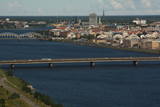 |
This 368 metre structure is the highest television tower in the European Union. Its viewing area, which is at a height of 97 metres, is the highest publicly available viewing area in Latvia. The location offers a fantastic view of Rīga and Old Rīga to Pārdaugava, the Bay of Rīga and Sigulda – a radius of at least 50 kilometres.
|
|
 3 days
|
The tour starts at Jaunmokas Castle estate, where you will also find the Forest Museum. The pride of the castle is its unique painted tile stove (beginning of the 20th century) made of 130 painted tiles featuring 50 different views of the cities Rīga and Jūrmala. The Forest Trails runs along smaller tracks through the Austrumkursa Uplands, the valley of the river Slocene, along Lake Sekļa and Lake Jumprava to finally reach the town of Tukums. Well, the town takes pride in its pots, planters and flower beds with blooming roses along its streets. Next, the route meanders through forests to the demanding hillock of Milzkalns and Lake Valguma, where you will find the barefoot trail and a secluded art space within the woods. The Forest Trail continues to make a stopover at the Ķemeri National Park. The park is dedicated to protection of wetlands, since it is home to one of the largest marshlands of Latvia – the Great Ķemeri bog. As to the town – Ķemeri – it is the former balneological and sulphur springs resort. The tour ends in the village of Bigauņciems, where the Forest Trail joins with the Baltic Coastal Hiking Route (E9 European long distance path). Optionally, one can take a detour along the Lake Sloka trail with its bird-watching tower or pay a visit to the “Forest House” – the visitor’s centre of the Ķemeri National Park. |
|
 |
The largest Japanese garden in Europe (16 ha) was established in 2007 by Japanese designer Hajime Watanabe and Dr Šarunas Kasmauskas, merging religion, art and respect for nature. |
|
 |
MIGLA ir mazā alus darītava, tas ir sens saimnieka sapnis, kurš realizējies, spēkus apvienojot kopā ar jaunāko meitu. Alus garšu meklēšanā, receptūru izstrādē, kā arī novērtēšanā piedalās visa ģimene, kur īpašas alus someljē īpašības piemīt vecākajai meitai. Apvienojot visas ģimenes stiprās puses - darītāju, runātāju un garšu pazinēju un dizaina ekspertu, tapis MIGLAS alus, kas šobrīd piedzīvo savus pirmos soļus alus pasaulē un cer iepriecināt ne vienu vien alus baudītāju! Lielu daļu alus darīšanas tiek veikta ar rokām, svērti un malti graudi, rēķināts ideālais apiņu un graudu daudzums, tiek liets, pārliets un skalots. Darītava laprāt uzņem viesus degustācijām, kurās piedāvā ne tikai nogaršot alu, bet arī cienā ar pašceptu maizi un cepumiem, kā arī iepazīstina ar alus darīšanas procesu un vēsturisko Uzvaras Līdumu, kurā atrodas alus darītava. Mazais brūzis atrodas vienviet ar Ķiploku pasauli - otru ģimenes aizraušanos, tāpēc uzreiz var apskatīt divas saimniecības. |
|
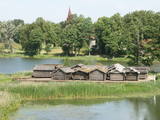 |
The Lake Castle of Āraiši is of pan-European importance. It is a reconstructed Lettigalian lake castle from the 9th or 10th century, and it is the only place in the Baltic States at which visitors can learn about how people lived more than 1,000 years ago. The castle offers various thematic events. |
|
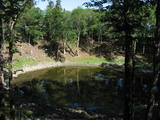 |
This is actually a group of nine craters, and some of them are as much as 100 m in diameter and 16 m in depth. This is the most visually expressive meteorite crater in the Baltic States and, indeed, in all of Europe. Remnants of the meteorite – some 2.5 kg in all – yielded iron and nickel. It is thought that this pan-Baltic natural catastrophe occurred 2,600 to 4,000 years ago. Kaali Visitor Centre comprises the meteoritics and limestone museum, a conference hall and a hotel.The museum exhibits genuine meteorite pieces amongst other items. The hotel has all modern conveniences, tasty food is provided at Kaali Tavern nearby. |
|
 |
Kloostrimetsa is a cider brand with centuries-old traditions. They specialize in crafting high-quality cider using traditional methods, where the cider is made from their own carefully grown apples, allowing the juice to naturally ferment to preserve its authentic flavor. In addition to cider, they also produce jams, juices, and syrups in their home kitchen. Their gardens and fields are home to various fruits and berries, including chokeberries, sea buckthorn, and blackcurrants. In spring, birch and maple sap is harvested for seasonal products. The farm practices sustainable methods, utilizing solar energy and gentle land management. |
|
 1 day
|
Dodieties ekskursijā, lai gūtu ieskatu lauku profesijā un dzīvesveidā, kā arī iegūtu jaunus iespaidus un labu atpūtu visai klasei. Ekskursijas laikā apmeklējiet Salmu muzeju, kur apskatāmas gandrīz 500 salmu skulptūras un lelles, kā arī iespēja darboties radošajā darbnīcā un iegūt pamata prasmes darbā ar salmiem un sienu. Pēc tam apmeklējiet zvejnieku sētu, kas piedāvā aktīvu atpūtu pie jūras ar visādām izdarībām jūras krastā, zvejnieksievu stāstus par vēsturi un sadzīves "teijātri" vietējā dialektā, ieskatu zivju kūpināšanas procesā un, protams, mielastu ar riktīgu vietējo zivju izgaršošanu. Ekskursijas noslēgumā dodieties uz mini zoo, lai iepazītos ar eksotiskajiem dzīvniekiem un mājdzīvniekiem, kurus iespējams pabarot, kā arī samīļot. |
|
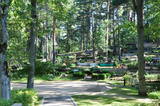 |
A cemetery has been found in this location since 1773, and among those who are buried there is the outstanding Latvian poet Ojārs Vācietis (1933-1983). A monument commemorating him is here, as is the Carnikava Estate repository that was built in the 18th century. The gravestone of a lessor of the estate, Falck, is also in the cemetery. |
|
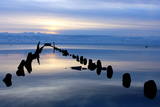 |
Kaltene features several homes where shipbuilders used to live – Caurnāši, which was home to the Bertliņi family, Ilmati, where six ailing ships were built, Maizītes, where the Stahl family of ship builders built 16 two-mast and three-mast ships, and Dambekalni, which was once one of the first canned fish factories on the coastline. To the side of the sea are the old boat piers of Kaltene. In 1936, a board pier was built by the Freijs family from Roja. It was 200 m long and had room for some 50 boats. All that is left are wooden poles that have been eaten away by the sea and time. If you want to learn about the specifics, difficulties and challenges of fishermen today, visit Ervīns Vilciņš in Ķirķrags. He will tell interesting stories on the basis of his experience. You can watch as he fishes in the morning and then taste the fish that he has caught. (Source: Roja TIC) |
|
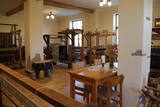 |
Found in the Alsunga Museum, this workshop demonstrates how the folk costumes and accessories of the Suiti community are produced. Visitors can learn about weaving traditions in the area and examine the colourful range of folk costumes. Visitors are welcome to try their hand at the work under the guidance of experienced specialists. |
|
 |
Latviešu dziedātāja un rakstnieka Marisa Vētras (īstais vārds – Morics Blumbergs) (1901. – 1965.) piemiņas akmens pie viņa dzimtajām mājām „Dārtiņām”. Norādes uz akmeni nav, tādēļ objektam var pabraukt arī garām. |
|


