
| No | Name | Description |
|---|---|---|
 |
Atrodas Rīgas – Ventspils autoceļa (A 10) 92. kilometrā. Piedāvā ēdināšanas pakalpojumus, klāj galdus un organizē citus pasākumus. |
|
 |
"Anima Candles" sveces ir roku darbs. Svecēm pieejami vairāki dizaini, kas variē gan krāsās, gan izgatavošanas metodē. Krāsu un smaržu klāsts ir plaši pieejams. Tās izgatavotas no pārtikas rūpniecībā izmantojamā parafīna vai ekoloģiskās sojas. Sveču ražotnē tiek piedāvātas sveču liešanas meistarklases.
|
|
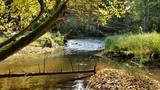 |
Cecīļu dabas taka ir kājāmgājēju tūrisma maršruts, kurā ir iespēja iepazīt Amatas novada dabas objektus gar Kumadas upes, Dančupītes un Amatas upes krastu. Takas sākuma punkts ir Amatas novada Ieriķos, 1 km no kafejnīcas, degvielas uzpildes stacijas, Cecīļu dabas takas apmeklētāju centra, blakus autoservisam. Apmeklētājiem ir iespēja izbaudīt cilvēka nepārveidotu dabas ainavu – Dančupītes kanjonu, minatūru ūdenskritumu, no Kumadas upes labā krasta aplūkot iespaidīgo Cecīļu iezi un citus objektus. Taka ir marķēta. |
|
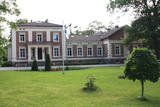 |
Atrodas Taurenē, Gaujas labajā krastā. Muižas apbūve, kurā ietilpst pils (19. gs. 80. gadi, arhitekts – R. G. Šmēlings, historisma un neoklasicisma stils), senie alus pagrabi, klēts, vecā pils un parks, veidojies 19. - 20. gs. Šobrīd muižas pilī atrodas Taurenes pagasta pārvalde un kultūras nams. Muižas kompleksā ietilpst ēka, kurā atrodas Vecpiebalgas novada tūrisma informācijas punkts un Taurenes novadpētniecības ekspozīcija (senajā ledus pagrabā). Parkā (ziemeļos no pils) uzmeklējams piemiņas akmens, kas veltīts komunistiskā terora upuriem. Pie Nēķena muižas sākās 0,4 km garā Cieres dabas taka, kas iepazīstina ar Gaujas krastu mitrājiem. |
|
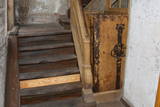 |
Находится на ул. Базницас, д. 17. Здание построено в XVII веке, как жилой дом кулдигского бургомистра. В 1701 году здесь гостил король Швеции Карл XII, который в передней оставил огромный сундук (2 х 2,5 м), на который после реставрации можно взглянуть и сегодня. |
|
 |
You can learn about the lives of bees and buy honey made from all kinds of flowers, propolis, propolis blankets and wax candles. Apian therapy is offered here. This is an ancient method which involves a bed under which there are beehives. The bees create warmth, vibration and a biofield. |
|
 17 days
|
The route leads through the Gauja National Park which is located on both sides of the ancient Gauja river valley. Sandstone cliffs and caves, hilly landscapes and deep forests and castles are characteristic of the park. Further on at Igate Manor stop for a lunch at their mill tavern to taste traditional Latvian food. The route turns towards the coastwhich belongs to the North Vidzeme Biosphere Reserveand continues through old Estonian fishing villages before arriving at the seaside resort of Parnu with its elegant villas. Next is a guided wilderness day in Soomaa National Park trying old-fashioned bog-shoeing and canoeing. Further on the route you will pass Pootsi with a 19th century manor and the ancient village of Varbla. Take a ferry to Muhu island and stay in the ethnographic fishermen's village of Koguva for a couple of days to explore the area. Cycle across the causeway to Saaremaa island from where you can take a ferry to laid-back Hiumaa island for a day trip to get a feeling for the true spirit of Estonia. Back on Saaremaa there is time for a free day in its capital, Kuressaare with plenty of spa and relaxation facilities. Then by bus head to Tallinn, charming with its medieval Old Town. From there enjoy a day trip to the former military base of Naissaar island where special cycling routes showcase its military history, mine and nature reserves. |
|
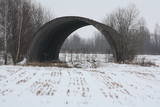 |
Few Soviet military objects are associated with more legends than this one. During Soviet times, this was a reserve airfield, as well as a storage site (just 50 kilometres from the republic’s capital city) for nuclear weapons. These were hidden in two cement hangars that were covered with soil and vegetation. Public information suggests that an RX-24 nuclear bomb weighing 430 kg and a RX-26 nuclear bomb weighing 1,030 kg were stored here, as were air-to-land missiles equipped with nuclear explosives. If there had been an accident here, what would have happened to Rīga, to Latvia, to the Baltic States and to Northern Europe? The airfield is a closed territory today.
|
|
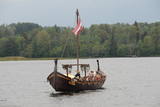 |
To view the Daugava River from a different perspective, visit the Liepkalni bakery, which offers tours in a Viking longboat that is called “Lāčplēsis” and can carry up to 24 people. The Daugava has always been an important transport corridor for many species and animals that arrived in Latvia because of that, as well as for people and tribes that lived along the banks of the Daugava River and the shores of the Baltic Sea. |
|
 |
The restaurant is in the southern part of Liepāja and features an open-type kitchen that allows clients to watch the chefs at work. Latvian cuisine: Mushroom soup, fish soup, crepes, potato pancakes, lamb chop, grilled pork filet, steams tongue of veal, leg of lamb, cottage cheese dessert. Special foods: Cod soup a la “Olive” or a special ice cream cake. |
|
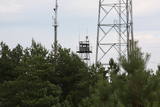 |
The military communications facilities at Pāvilosta are along the southern part of the town. The facilities are owned by the local government, and there is no information about their use at this time.
|
|
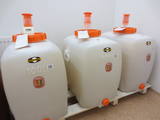 |
The farm produces homemade wine made of rhubarb, birch juice and apples. Tour the winemaking facilities and examine the process. You can taste and purchase products. |
|
 |
The Lojas farm in the Mazsalaca Administrative District is a mixed-use farm, including grain farming (wheat, barley, rye, rapeseed) and manufacturing of straw granules as litter for animals. The farm breeds beef cattle. |
|
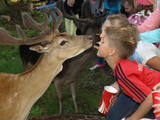 |
Some 200 fallow deer live in large paddocks at the park, and the largest deer sorting facility in the Baltic States is right next door. You can look at the animals from up close. The owner organises educational camps for children and offers consultations on the breeding of animals. |
|
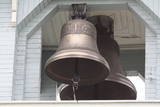 |
The Rēzekne Old Believer Prayer House of St Nicholas is in the southern part of the city, at Siņicina Street 4. The house of worship was built in 1895 and rebuilt in 1906. Its tower has three silver and brass bells (restored), and one of them is thought to be the largest bell in Latvia (4,832 kg with a tongue that weighs 200 kg in and of itself). Alongside is a museum which features the cultural and religious environment of the Old Believers. |
|
 |
The loveliest views of the local cultural and historical treasures (the Āraiši lake castle, the Lutheran church, the parsonage, Medieval castle ruins – all of these cultural monuments). The hillocks of the area which offers this view can be found in the immediate proximity of the Āraiši windmill and the Drabeši-Āraiši road.
|
|
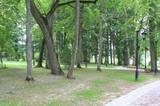 |
This is a natural monument of protected dendrological plants. The park is in the Upmala Parish, covers 2.7 ha, has been protected since 2001 and is managed by the Vārkava Administrative District Council. Judging from the oldest oak trees (approximately 200 years old), the park was established in the early 19th century, with other plants from the latter part of the century. Local species of trees, including maples, elms, fir trees, aspens, oak trees, willow trees, linden trees and hazelnut trees grow in the park, as do more than 10 exotic types of trees and bushes, including various types of maple, aspen, willow, lilac and linden trees. |
|
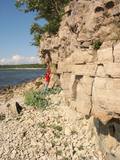 |
Nacionālā parka dienvidrietumdaļā jūrā iestiepjas Eldas pussala – skaists un ļoti omaļš ar kadiķu mežu (alvāriem) noaudzis zemes pleķītis ar interesantu jūras krastu, kur atsedzas silūra perioda nogulumieži. No pussalas gala, kurā slejas vecs Padomju armijas robežsargu tornis (apmeklējumam bīstams!), paveras visaptverošs skats uz Vilsandi salu (atpazīstama pēc bākas), Lonalaidas salu (Loonalaid) – otru lielāko Vilsandi arhipelāgā, Salavu (Salava) un citām mazākām saliņām. Dabas mīļotāji var uzmeklēt Eldas klinti (Elda pank) – ~ 2 m augstu un 0,4 km garu atsegumu, kura piekājē var atrast interesantas ūdens izskalotas fosilijas. |
|
 |
Dvietes un netāli esošais Skuķu ezeri ir vieni no teritorijas grūti pieejamajiem palieņu ezeriem – lielākie šāda tipa
ezeri Latvijā. Palu laikā pārplūst, savienojoties vienā lielā ūdenskrātuvē.
|
|
 |
Skaisto un mūsdienās atjaunoto zilā krāsojuma ēku Karaīmu ielas 5 malā sākotnēji (1810. g.) cēla Dominikāņu mūki. Kopš 1864. g. tajā 23 gadus saimniekoja policija, līdz 1887. g. te izvietoja pastu un telegrāfu. Šobrīd ēkā atrodas nacionālā parka administrācija. |
|


