
| No | Name | Description |
|---|---|---|
 7 days
|
This tour features the best trails and attractions within the Gauja National Park. The walks are organised so that travellers are constantly on the move. The main “artery” of the park is the ancient Gauja River valley with many tributaries and deep ravines with massive sandstone cliffs from the Devonian period. The walk starts from one of the oldest churches in Latvia and follows the river which finishes at Sigulda bobsled track. Scenic views of the river, cliffs and nature trails await in the next section. The Amata river trail winds through untouched forest and inlcudes an icon of the Latvian landscape - Zvartes rock. At Cēsis explore the little streets, climb the tower of St John's Church and visit medieval castle ruins before heading to Cirulisi nature trail to explore the area's geological history. Ungurmuiza Manor is the only remaining wooden baroque manor house in the Baltics. A short trail weaves through ancient oak trees. The park also features several sites of cultural importance: Turaida Museum Reserve, Krimulda Manor and Ligatne historic centre. |
|
 4 days
|
This is a professional livestock farming tour to visit farms that breed cows, sheep, goats and pigs. During the introductory day, participants will tour the Latvian capital city of Rīga, which is on the UNESCO List of World Heritage, and meet with representatives of the Latvian Agriculture Ministry and agricultural NGOs. The next morning it’s off to Kurzeme to visit a farm that breeds meat cattle. The second farm on the list specialises in the breeding of purebred and mixed breed cattle for siring, fattening and meat production. It sells piglets and offers pork, grains, potatoes and beekeeping products. In the evening we will visit Kuldīga to see Europe’s widest waterfall on the Venta River. The next morning we will travel to Vidzeme, where the first farm specialises in livestock breeding and intensive farming, while the second specialises in dairy farming and the production of grains and grasses. We will visit the ruins of the Koknese castle, which stands along the banks of the legendary Daugava River. In the evening, we will visit one of the largest goat farms in Latvia, with some 160 purebred goats (Alpine, Anglo, German White Noble), as well as hogs for breeding. Several types of cheese will be available for tasting. The next morning, we will visit one of Latvia’s largest sheep farms. The biological farm has about 250 head of sheep. The second farm grows grain and grasses and engages in dairy farming and livestock breeding. We will visit the Medieval castle in Cēsis, which was the residents of the masters of the Livonian Order and one of the most fortified fortresses in the territory of the Baltic States. At the conclusion of the day, we will go to Ungurmuiža Estate, which is one of the most outstanding examples of 18th century Baroque wood construction in Latvia. |
|
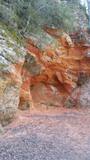 |
Sarkanās klintis savu vārdu ieguvušas pateicoties sarkanajiem iežiem. Tieši sarkanā ir mīlestības krāsa, tāpēc sarkanās klintis ir romatiska pastaigas vieta mīlniekiem. Smilšakmens klintīs redzamas plaisas, kas sašķeļ sarkanīgos iežus, radot neparastu dabas mākslas darbu. To virsma ir diezgan izrobota, kas veido klintīs nelielas alas un nišas. Sarkanajās klintīs ir arī daudz dažādu avotiņu. Pazīstamākais no tiem ir Rūcamavots. Tam ir šāds nosaukums, jo tas, nākot ārā no zemes, izdod nelielu rūkoņu. |
|
 |
A farm and holiday house in the hilly landscape of Vidzeme, Cēsis 35 km. The hosts produce marmalade sweets from organically certified rye bread and other products, bake rye tin loaves, and make rye gingerbread dough, as well as the bread drink kvass. They also make jewellery and handicrafts. Produce can be purchased. |
|
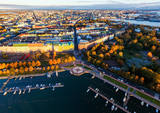 |
Helsinki is the capital of Finland and the biggest city in Finland. It offers a lot to see as it is seaside city surrounded by islands but city itself is full of wonderful parks. This city has everything to attract all kinds of people - from architecture and culture to nature and even has wide range of places where to enjoy night-time Helsinki. |
|
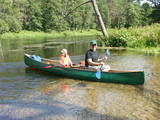 |
Ūla ir viena no skaistākajām un likumsakarīgi – arī populārākajām Lietuvas ūdenstūristu upēm. Tās galvenā pievilcība ir skaistā ainava ar augstajiem upes krastiem, kuros slejas iespaidīgas smilšu kraujas līdzīgi kā Irbes krastos Latvijā. Laivošanu var sākt no Mančagires (Mančiagirė) vai Zervinos ciemiem un turpināt līdz Ūlas ietekai Merķē un tālāk pa Merķi līdz pat Merķinei un Nemunai. Ūla nav plata, taču posmā no Zervinos ciema tajā nav neviena koku aizgāzuma vai cita šķēršļa, kuram laiva būtu jānes apkārt. Ašā straume, asie līkumi, dzidrais ūdens un tajā redzamā zemūdens pasaule rada patiesi patīkamu sajūtu! Upes krastos atrodas gan publiskas (apsaimnieko Lietuvas valsts meži), gan privātas ūdenstūristu apmetnes un atpūtas vietas. Šī ir vienīgā Baltijas upe, kur ūdenstūristiem ir jāpērk licence. Ūlas krastos atrodas divi interesanti apskates objekti – Ūlas atsegums (Ūlos atodanga) un spēcīgs avots – Ūlas acs (Ūlos akis). Savukārt, Merķe jau ir jau krietni platāka upe, taču ar acīm redzamu straumi un dažviet pat jaukām straujtecēm. Kaut arī Merķes krasti ir mazapdzīvoti, tajos atradīsim piemērotas nakšņošanas vietas. Pa Ūlu un Merķi no Zervinos līdz Merķinei sanāk „mierīgs” pusotras - divas dienas ilgs brauciens. |
|
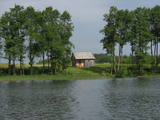 |
Līčiem, pussalām un salām bagāts ezers ar izrobotu krasta līniju, kas savienots ar Zvejnieku un tālāk - citiem Latgales augstienes ezeriem. Ozolu un platlapju meži, kas aug uz ezera salām un pussalās ir ne tikai aizsargājami, bet arī Latvijas mērogā nozīmīgi biotopi. Tiesa, to vērtību apzināsies tikai vides speciālisti. No Jašas ezera var uzsākt laivu braucienu pa vienu no Latgales ezeru "kēdēm". Ezera austrumu krastā atrodas Geļenovas parks.
|
|
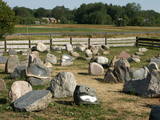 |
The craftsman produces gravestones, commemorative plaques and stone sculptures on the basis of orders from clients. He is prepared to tell you about a stonemason’s work and demonstrate his skills. |
|
 |
Auces novads miniatūrā izveidots ar Auces novada nozīmīgākajiem un atpazīstamākajiem objektiem miniatūrā, kuri apdzīvoti ar mājdzīvniekiem. Iespēja Auces novada iedzīvotājiem un viesiem izveidot saikni ar dabu un vienlaicīgi iepazīt Auces novadu. Mazajiem apmeklētājiem izglītojoša saikne ar dzīvniekiem, iespēja tos pabarot ar saimnieku sarūpētajām veltēm. Veicināta Auces novada atpazīstamība caur miniatūriem objektiem. Tiek piedāvāta ekskursija, kuras laikā iespējams apskatīt 4 saimniecības: Zemnieku saimniecību ‘’Skabargas”, Lauku sētu ‘’Krastiņos’’, saimniecību ‘’Andulaiši’ un Lauku sētu ‘’Baltiņi’’. Ekskursija notiek gida pavadībā. Tiek gaidīti viesi, grupās no 10 cilvēkiem, ar iepriekšēju pieteikšanos. |
|
 1 day
|
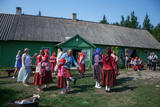
Kihnu is the largest island in the Gulf of Riga, with an area of 16.4 km2. It is only 7 km long and 3.3 km wide. Kihnu's cultural space and traditions are included on the UNESCO List of the Intangible Cultural Heritage of Humanity. There are four villages on the island and the islanders still wear national dress as everyday apparel. The unique atmosphere of the island can be experienced during a guided day programme. Kihnu Mare, the local guide, has developed her own traditional culture network with the people who have the know-how and skills to demonstrate for visitors the different aspects of Kihnu culture: the language, the traditional clothes, farming and fieldwork, handicrafts, the preparation of traditional foods, folklore, church life, singing, and dancing at weddings and village parties, as well as their traditions surrounding the sea, fishing, seal hunting and living with nature. |
|
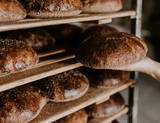 |
SIA N. Bomja bakery “Lielezers” is a sole proprietor enterprise of Normunds Bomis, founded in 1991 and located 3 km from Limbaži. The story of this bakery started more than 25 years ago, when craftsman Alberts Blumbergs’ knowledge and experience was put into practice and very delicious rye bread was made. In the bakery, traditional salinātā rye bread is made by hand, maturing scalded flour in aspen tubs for 24 hours and fermenting with sourdough. Salinātā rye bread is registered in the EU food quality scheme as a product with traditional speciality guaranteed. Bread baking is led by the experienced master bakers Lāsma Bome and Valters Kanopa. Offer tours in the bakery and tasting. |
|
 3 days
|
This part of the Forest Trail gives an opportunity to see Setomaa or “the Land of Setos” which is inhabited by Setos – an ethnographic group with specific ancient traditions and a unique language dialect. Forest Trail hikers can visit the traditional Setos homestead and enjoy Setos cuisine. The forests of the region are especially charming in early autumn, when the ground is coloured lilac by the blooming heather. There is a good chance to pick wild mushrooms and berries. One of the most beautiful sections of this trail in Setomaa leads along the River Piusa, where the river is surrounded by sandstone outcrops. You will also visit the Piusa caves. The tour will end in Värska resort – with its sanatorium and SPA, which use the strengths of local nature: mineral water and lake mud. Värska mineral water is well known in Estonia and elsewhere. |
|
 |
Četrus kilometrus gara marķēta lokveida taka, kas ved pa lielāku meža masīvu, iepazīstina ne tikai ar augiem un dzīvniekiem, bet arī mežsaimniecības tradīcijām. Takas sākums atrodas pie nelielā Perejerves ciema, uz kuru paveras labs skats no tuvējā paugura. Pie autostāvlaukuma izveidota atpūtas un piknika vieta. |
|
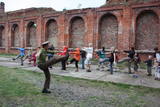 |
An impressive set of military structures between the Baltic Sea and Lake Liepāja and Lake Tosmare. Construction of the fortress began in the late 19th century on the basis of a decree by Russian Tsar Alexander III, and it cost 45 million gold roubles. The fortress includes accommodations and elements of fortifications – sites for cannons, trenches, gunpowder cellars, systems of canals, a narrow-gauge rail line, etc. In 1908, the fortress was shut down because of a change in Russia’s defence concept, and the construction of it was declared to have been a strategic mistake. There were attempts to blow up the underground structures and cellars during World War I, but that did not really succeed. Some elements of the fortress were of great importance in Latvia’s liberation battles. Surviving today are the Northern forts, the Central fort, the Eastern fort, the Southern fort, the shoreline defensive batteries (No. 23, 3), Redāns, Lunete, and others. Most are not improved, so visits may be dangerous. The northern part of the fortress includes the Military Port, which has experienced seven different armies and regimes. During the Soviet years, it was closed to civilians. There are many outstanding monuments to military history. Tourists love the Karosta prison, which offers educational programmes. |
|
 10 days
|
This tour will surprise you with the diversity and unusual products of farms. You will visit several farms that offer ecological produce that can be tasted and purchased. From Vilnius, you will travel to an ecological goat farm that offers 60 types of cheeses made of goat milk. Next you will visit an ethnographic Lithuanian farm that breeds horses and sheep. You will spent a day in Kaunas to visit the Nemuna River valley, as well as the Raudone and Panemune castles. A picnic at a farm with acorn coffee, pancaked baked on a campfire and soup made of locally picked wild mushrooms. The ecological Buivydai farm breeds cattle and grows blackberries. Along the way you will visit the Courlandian Dune, the Sea Museum and Delphinarium and the most popular spa town in the dunes, Nida. From there you will drive to Latvia, where the Pape Nature Park offers a look at wild horses, and the ethnographic Ķoņi village is an old seashore fishermen's village. In Liepāja, it will be worth visiting the local market, which is more than 100 years old and offers seasonal vegetables, fruit, greens and flowers from local farms. Next you will visit an environmentally friendly farm that has 130 different types of apples and a wine operation that prepares wines from local fruits and berries. The farm uses biodynamic farming principles to grow beans and peas, as well as to breed livestock so as to produce tasty sausages. Next you will visit the lovely Medieval town of Kuldīga and its brick bridge across the Venta River. An environmental health farm will allow you to enjoy herbal teas and learn about various ecological cosmetics made of plants from the clean environment. Along the way you will enjoy the landscape of the ancient Abava River Valley and visit the Sabile wine hill where grapes are grown to produce local wines. Next you will visit the charming small town of Talsi, where you will find the Latvian Agriculture Museum. The tour will conclude at a farm which grows fruits and vegetables and offers syrups, jams and canned vegetables. You will complete you tour in Rīga. |
|
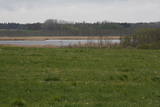 |
Nature restricted area surrounds Tasu Lake and swampy shores of it in a narrow band. The territory was established to protect rare nesting and migratory birds. The territory is easily overseen from the narrow gravel roads all around the area not entering the actual protected area. Tasu Manor house is located to the South of nature restricted area.
|
|
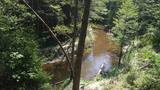 |
Nature trail "Curves of Riva" starts at Ulmale-Labraga Lutheran Church and continues 3 kilometres down the picturesque downstream of river Riva. Rīva here flows in a canyon-type ravine which reaches 12 meter rise at some points. The trail reveals countless river twists and turns and steep coastal cliffs. The trail is partly accessible with an assistant and is marked with green paint. |
|
 |
"Anima Candles" sveces ir roku darbs. Svecēm pieejami vairāki dizaini, kas variē gan krāsās, gan izgatavošanas metodē. Krāsu un smaržu klāsts ir plaši pieejams. Tās izgatavotas no pārtikas rūpniecībā izmantojamā parafīna vai ekoloģiskās sojas. Sveču ražotnē tiek piedāvātas sveču liešanas meistarklases.
|
|
 |
Latgale rehabilitation centre „Rāzna”. The rehabilitation centre „Rāzna” is built on a small hillock at
Lake Zosna. Sanatorium „Rāzna” is surrounded by many trees. Originally, the house was built as a summer
house for artists. The centre is an architectural monument of local importance.
|
|
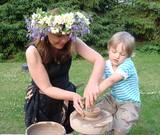 |
The craftswoman uses clay, rocks and other materials to produce dishware and various interior design objects, finishing them in an open kiln. Visitors can take an informational tour, watch the craftswoman at work, and sit down to produce their own cups. Guests are welcome to attend the opening of the kiln. |
|


